Delving into How to Use Misdirection Like a Professional Magician, this introduction immerses readers in a unique and compelling narrative that highlights the art of misdirection in magic. Misdirection is not merely a trick but a sophisticated psychological tool that enhances the magic experience, captivating audiences and engaging their minds in unexpected ways.
This exploration will uncover the foundational principles of misdirection, its various techniques, and the vital role storytelling plays in creating a mesmerizing performance. By understanding these elements, aspiring magicians can elevate their craft and create unforgettable moments that leave audiences in awe.
Introduction to Misdirection
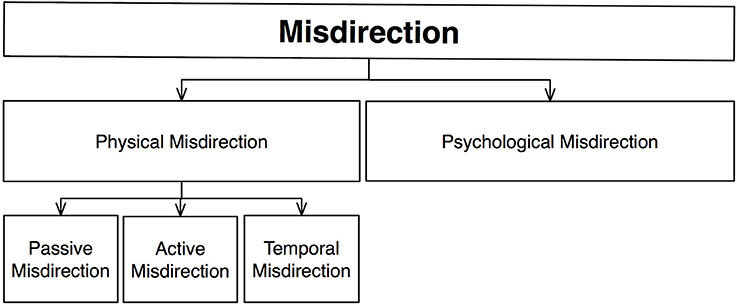
Misdirection is a fundamental technique utilized in the art of magic that involves diverting the audience’s attention away from the method or means by which a trick is performed. This technique plays a crucial role in crafting an illusion, allowing the magician to manipulate the viewer’s focus to create a more engaging and astonishing experience. By understanding and effectively employing misdirection, magicians can enhance the impact of their performances, ensuring that spectators remain captivated and entertained.The principles behind misdirection are deeply rooted in psychological concepts such as attention, perception, and expectation.
It operates on the premise that human attention is limited; individuals tend to focus on one or two stimuli while ignoring others. This selective attention is influenced by various factors, including context, movement, and emotional cues. By strategically controlling these elements, a magician can guide the audience’s focus toward a point of interest, while the actual method of the trick is discreetly executed elsewhere.
This interplay between the audience’s expectations and the magician’s skill creates a powerful illusion that heightens the overall magic experience.
Psychological Principles of Misdirection
Understanding the psychological principles that underpin misdirection is essential for any aspiring magician. The following key concepts illustrate how misdirection effectively influences audience perception:
- Selective Attention: Human brains are wired to focus on limited aspects of their environment, which allows magicians to exploit this limitation by directing attention to specific actions or objects.
- Expectation Management: By creating a narrative or context that leads the audience to anticipate a particular outcome, magicians can manipulate the moment of surprise when the actual trick is revealed.
- Emotional Engagement: Engaging the audience emotionally can enhance misdirection. When viewers are emotionally invested in a performance, they are less likely to scrutinize the mechanics behind the illusion.
- Movement and Distraction: The use of distracting movements or gestures can effectively redirect attention, making the audience unaware of the critical actions necessary for the trick.
Implementing these psychological elements allows magicians to refine their craft, creating a seamless and captivating experience that leaves audiences in awe. Each of these principles contributes to the art of misdirection, transforming mere tricks into memorable moments of wonder and surprise.
Techniques of Misdirection
Misdirection is a fundamental principle in the art of magic, enabling magicians to captivate and manipulate audience perceptions. Professional magicians skillfully employ various techniques to divert attention away from the method behind their tricks, ensuring the illusion remains intact. By mastering these techniques, magicians create memorable experiences that astonish and delight their viewers.To effectively engage an audience, magicians utilize a range of misdirection techniques that enhance the overall impact of their performances.
It is essential to understand not only the techniques themselves but also how and when to implement them for maximum effect. Timing plays a critical role in misdirection, as the right moment can elevate a simple gesture into a powerful tool of illusion.
Techniques Overview
The following table Artikels several key techniques used by professional magicians, along with their specific applications and effects on the audience.
| Technique | Description | Example | Effect on Audience |
|---|---|---|---|
| Eye Contact | Directing audience attention through gaze | Use during a card trick to emphasize a choice | Creates a sense of trust and connection |
| Body Language | Using gestures to redirect focus | Hand movements during performance to guide attention | Enhances engagement and anticipation |
| Verbal Misdirection | Using spoken words to distract | Engaging the audience with a story while performing | Shifts focus away from the mechanics of the trick |
| Environmental Distraction | Utilizing surrounding elements to divert attention | Introducing a loud sound or visual effect during a key moment | Temporarily shifts focus, enhancing the illusion |
| Timing | Executing actions at strategically chosen moments | Performing a sleight while the audience is distracted | Maximizes surprise and impact |
“Misdirection is about controlling attention; where you direct it defines the magic.”
Timing is critical when applying these techniques, as it ensures that the audience’s attention is effectively redirected at the most opportune moments. A magician might wait for a laugh or a gasp to execute a crucial sleight, making it nearly invisible to the audience. This sense of timing not only enhances the effectiveness of each technique but also contributes to the overall flow and rhythm of the performance.
The Role of Storytelling in Misdirection
Storytelling serves as a powerful tool in the magician’s arsenal, acting as a vehicle for misdirection that captivates the audience’s attention and guides their focus away from the mechanics of a trick. By weaving a narrative, magicians can create an immersive experience that engages the audience’s emotions and imagination, allowing the trick to unfold seamlessly under the cover of an engaging story.Effective storytelling manipulates the audience’s perceptions and emotions, making them more susceptible to the magician’s illusions.
When an engaging narrative is presented, spectators are often drawn into the emotional landscape the magician creates, which can lead them to overlook key details essential to understanding the illusion. This diversion of focus is crucial, as it allows for the execution of techniques that would otherwise be noticed if the audience were paying close attention to the mechanics of the trick.
Examples of Magicians Using Storytelling
Several renowned magicians have mastered the art of storytelling to enhance their performances and create memorable experiences. Their ability to integrate narrative into their magic has elevated their acts to an art form. Below are notable examples of magicians who have effectively used storytelling in their performances:
- Derren Brown: Known for his psychological illusions, Brown often incorporates personal anecdotes and philosophical reflections into his routines. His storytelling not only captivates the audience but also establishes a deeper emotional connection, making the illusions more impactful.
- David Copperfield: Copperfield is famous for his grand illusions, many of which are framed within poignant narratives. For instance, his performance of “Death Saw” is not merely a trick but a dramatic story of suspense and danger, keeping the audience on the edge of their seats.
- Criss Angel: Angel’s performances often convey a dark narrative that enhances the mystical experience. By incorporating elements of storytelling, he effectively builds a thematic atmosphere that distracts the audience from the technical aspects of his illusions.
“The real magic is in the storytelling; it allows the audience to believe in the impossible.” – Penn & Teller
Building Misdirection Skills

Enhancing one’s ability to employ misdirection effectively is essential for anyone aspiring to master the art of illusion. Misdirection is not merely about diverting attention; it requires a nuanced understanding of both technique and audience dynamics. Developing these skills involves a combination of dedicated practice, a keen sense of observation, and an acute awareness of the audience’s thoughts and feelings.Audience awareness plays a pivotal role in the success of misdirection.
A magician must remain attentive to the audience’s reactions, ensuring that the misdirection aligns with their focus and emotional state. This requires not only skillful execution but also a deep understanding of human psychology and behavior. When a performer is in tune with the audience, the chances of a successful illusion significantly increase.
Exercises and Practices to Enhance Misdirection Abilities
To cultivate effective misdirection skills, engaging in specific exercises and practices can prove beneficial. These activities allow practitioners to refine their techniques and develop a greater awareness of audience dynamics. Below are some recommended exercises:
- Practice simple card tricks while focusing on the subtlety of gestures and verbal cues. This helps in mastering the art of distraction.
- Engage in role-playing scenarios where one partner acts as the audience while the other performs an illusion. This simulates real-world performance conditions.
- Record practice sessions and review them to identify moments where misdirection was either effective or ineffective, allowing for constructive self-critique.
- Attend live performances, either as a performer or a spectator, to observe and analyze how seasoned magicians employ misdirection.
The development of observation skills is a crucial component in mastering misdirection. By improving one’s ability to notice subtle shifts in focus among the audience, a performer can tailor their performance accordingly.
Activities to Improve Observation Skills
Improving observation skills enhances a magician’s ability to execute misdirection successfully. Engaging in targeted activities can sharpen these essential skills:
- Participate in group activities or games that require keen attention, such as “Spot the Difference,” which encourages noticing details that may be overlooked.
- Practice mindfulness techniques, such as meditation or focused breathing, to heighten awareness of surroundings and improve concentration.
- Observe everyday interactions in public settings, noting how individuals communicate and react to various stimuli. This helps build an understanding of audience dynamics.
- Conduct small informal performances in front of friends or family, actively seeking feedback on what captured their attention and what went unnoticed.
The journey to mastering misdirection is one of continuous learning and practice. By focusing on exercises that enhance misdirection abilities and developing sharp observation skills, performers can elevate their craft and create more engaging, memorable experiences for their audiences.
Common Mistakes in Misdirection
Many novice magicians fall prey to common pitfalls in the art of misdirection, which can significantly undermine their performances. Understanding these errors is crucial for developing a more effective approach to engaging an audience and enhancing the overall impact of a magic act. The following discussion highlights typical missteps and offers strategies to avoid them, ensuring that performers can cultivate their skills and deliver captivating performances.
Typical Errors in Misdirection
Various mistakes can hinder a magician’s ability to effectively use misdirection. Recognizing these errors will help in honing one’s craft. Below are some of the most prevalent missteps:
- Overly Obvious Misdirection: Novice magicians often attempt to distract the audience with exaggerated gestures or movements. This can lead to the audience becoming more suspicious and less engaged.
- Poor Timing: Effective misdirection relies heavily on timing. Many beginners fail to synchronize their distractions appropriately with the critical moments of the performance, resulting in missed opportunities to divert attention.
- Lack of Subtlety: Using overly dramatic or flashy methods can draw attention instead of diverting it. Subtlety is key in misdirection, yet many novice performers overlook this aspect.
- Focusing on the Wrong Audience: Failing to gauge where the majority of the audience’s attention lies can lead to ineffective misdirection. It’s essential to focus on the specific audience members whose attention needs to be redirected.
- Neglecting Audience Engagement: Not establishing a connection with the audience can result in them becoming disengaged. A lack of rapport makes it difficult for misdirection to be effective.
Strategies to Avoid Common Mistakes
To achieve mastery in misdirection, novice magicians can implement several strategies to circumvent common errors:
- Practice Subtlety: Incorporating subtle cues in performance can help divert attention without arousing suspicion. This can be practiced through rehearsal with friends or colleagues who can provide feedback.
- Synchronize Actions: Ensure that distractions align with pivotal moments in the act. Keeping a rhythm in performance facilitates smoother transitions and helps maintain audience focus.
- Engage with the Audience: Building a connection with the audience through storytelling and interaction fosters their trust, making them less likely to scrutinize the performance closely.
- Focus on Key Individuals: Observe where most attention is directed during the performance and aim to redirect those individuals specifically, rather than attempting to distract the entire audience at once.
- Rehearse Responses: Being prepared for potential audience reactions and adjusting misdirection techniques accordingly can enhance performance effectiveness.
Consequences of Poor Misdirection
The implications of inadequate misdirection can be detrimental to a performance, causing lasting effects on both the magician and the audience. The following points Artikel the potential consequences:
- Loss of Credibility: Poorly executed misdirection can lead to the audience losing trust in the magician’s abilities, which diminishes the overall impact of the performance.
- Audience Disengagement: An ineffective misdirection strategy may result in audience members losing interest or becoming skeptical, ultimately detracting from the entertainment value.
- Hindered Performance Flow: Inconsistent misdirection can disrupt the pacing of a performance, causing awkward pauses and breaks in the narrative flow.
- Negative Reputation: Word-of-mouth can greatly influence a magician’s career, and noticeable mistakes in misdirection can lead to unfavorable reviews and diminished opportunities.
- Failure to Convey the Intended Message: If the audience is not adequately misdirected, the central theme or message of the performance may fail to resonate, leading to a lack of emotional impact.
Case Studies of Successful Misdirection
Effective misdirection is not merely a technique but an art form, skillfully employed by magicians to create illusions that captivate and astonish audiences. This section will explore notable performances where misdirection played a crucial role in enhancing the magical experience, drawing attention away from the method and focusing it on the spectacle. Through examining these case studies, aspiring magicians can glean insights into the practical application of misdirection.
The Great Escape by Harry Houdini
One of the most iconic examples of misdirection in magic is found in the performances of Harry Houdini, particularly his famous escape acts. Houdini would often create a dramatic atmosphere by involving the audience in a narrative of danger and suspense. During his most famous performance, the “Water Torture Cell,” he was submerged upside down in a tank of water, handcuffed.
While the audience focused on the perilous situation, Houdini’s deft use of misdirection allowed him to escape through hidden mechanisms in the tank. Key techniques employed included:
- Audience Engagement: Houdini would address the crowd, building tension and drawing their focus to his struggles, diverting attention from his escape plan.
- Illusion of Imminent Failure: By appearing desperate and trapped, he heightened the stakes, ensuring the audience was emotionally invested in the outcome.
- Timing and Rhythm: Houdini mastered the pacing of his performance, using dramatic pauses to enhance the surprise of his eventual escape.
The Linking Rings by Fu Yugang
The Linking Rings is a classic illusion that showcases the power of misdirection through visual and narrative techniques. Fu Yugang, a modern magician, employs this routine with exceptional flair. The performance involves seemingly solid rings that link and unlink in a mesmerizing sequence. Fu’s techniques include:
- Visual Misdirection: While one ring is being manipulated, another action is happening in the background, distracting the audience from the actual mechanics of the trick.
- Storytelling Elements: Fu enhances the performance with a narrative that captivates the audience, drawing them deeper into the illusion and away from the method.
- Physical Presence: His movements are deliberate and exaggerated, drawing the audience’s eyes to specific actions while misdirecting them from key manipulations.
The Card Trick by David Copperfield
David Copperfield is renowned for his grand illusions, yet his smaller, close-up card tricks exemplify effective misdirection. In his renowned “Card in the Wallet” trick, Copperfield executes a sleight of hand that leaves audiences astounded. The misdirection strategies he uses include:
- Casual Conversation: Copperfield engages the audience with light banter, ensuring they are relaxed and less suspicious of his actions.
- Misleading Clarity: He often makes the process appear straightforward, fostering a false sense of security that allows him to execute complex maneuvers unnoticed.
- Focus Shift: By directing the audience’s attention to their own chosen card and narrating a story about it, he misleads them from the actual card manipulation happening behind the scenes.
“Misdirection is not about deceiving the audience; it is about guiding their attention to create genuine wonder.”
David Copperfield
These case studies highlight the versatility and significance of misdirection in magic. By closely observing the techniques used by these renowned magicians, aspiring performers can develop their own skills and enhance their magical presentations, ensuring that they too can create unforgettable experiences for their audiences.
The Ethics of Misdirection
Misdirection is a fundamental technique in the world of magic, allowing performers to control audience perception and create awe-inspiring illusions. However, the use of misdirection raises significant ethical considerations that should be acknowledged by both performers and audiences alike. Understanding these ethical implications is crucial in maintaining integrity and respect within the magical arts.The application of misdirection in performances is not simply a matter of cleverness; it involves navigating a complex landscape of moral boundaries.
Magicians must ensure that their techniques do not exploit or deceive audiences in ways that could cause harm or distress. Misdirection should be entertaining, not manipulative; it should inspire wonder rather than leave a sense of betrayal.
Boundaries in Misdirection
There are specific ethical boundaries that should not be crossed in the practice of misdirection. Setting clear limits helps maintain a positive relationship between performers and their audiences. Some critical considerations include:
- Informed Consent: Audiences should be aware that they are witnessing a performance based on illusion. Transparency regarding the nature of the performance is essential.
- No Deception of Vulnerable Populations: It is unethical to use misdirection in a way that could exploit individuals who are in vulnerable situations, such as children or those with mental health issues.
- Avoiding Harmful Consequences: Performers should consider the potential consequences of their illusions. Acts that could lead to physical harm, emotional distress, or public embarrassment should be avoided.
Controversial Examples of Misdirection
Throughout the history of magic, certain instances of misdirection have sparked controversy, highlighting the ethical dilemmas inherent in this art form. A few notable examples include:
- David Blaine’s Stunts: Blaine has faced criticism for performing dangerous stunts that put his safety at risk. Some argue that the thrill of misdirection in these cases overshadows the ethical implications of potentially encouraging reckless behavior among fans.
- Derren Brown’s Psychological Tricks: Brown often blurs the lines between illusion and psychological manipulation, raising ethical questions about the impact of his performances on mental health and the trust of his audience.
- Television Magic Shows: Many televised magic performances utilize camera tricks and editing to enhance illusions, leading to debates about the authenticity of what viewers are actually witnessing and whether this constitutes ethical deception.
Performers must remain vigilant about the ethical implications of their craft. Striking a balance between creativity, audience engagement, and ethical responsibility is crucial for the longevity and respectability of the art of misdirection.
Ultimate Conclusion
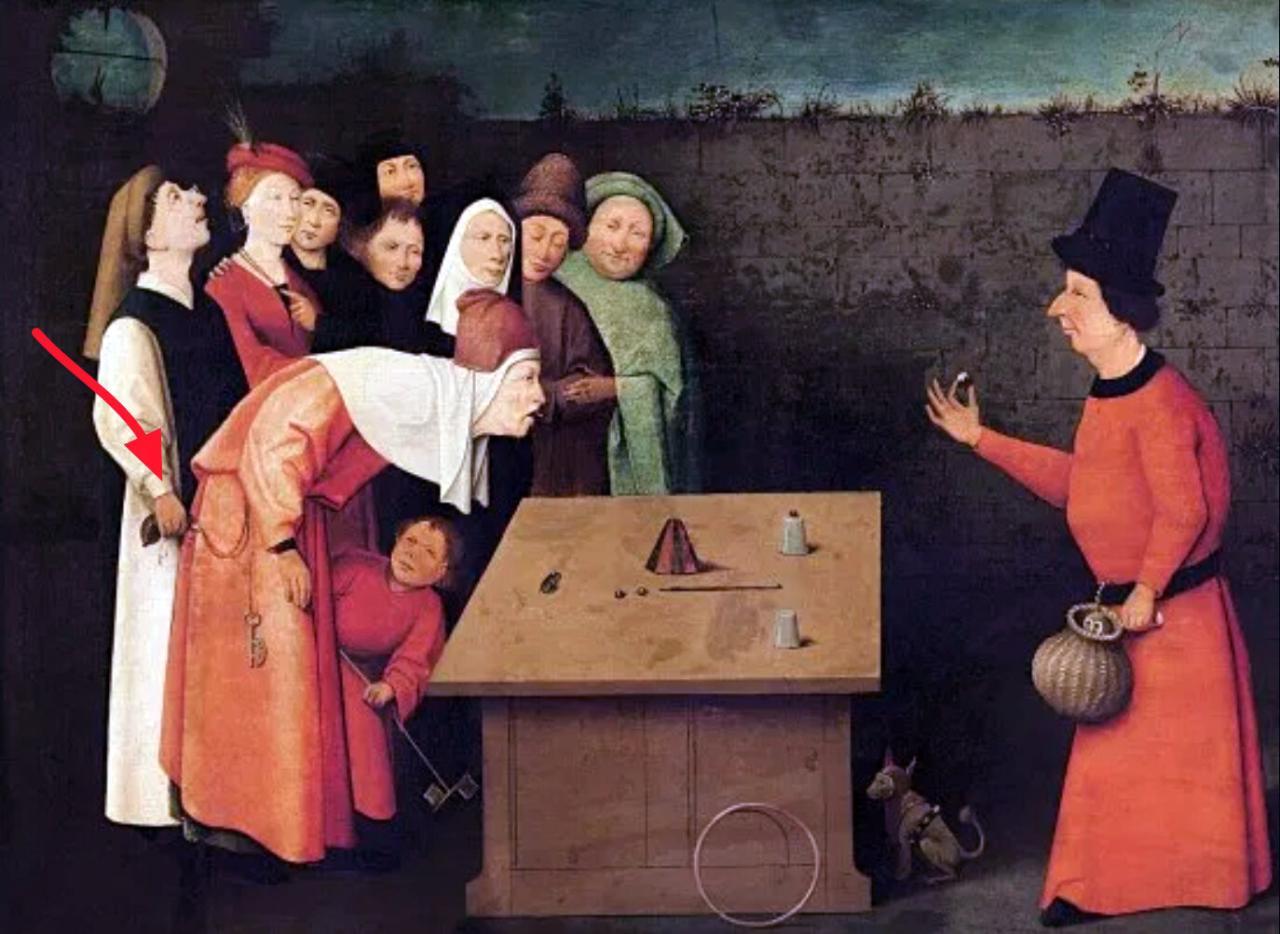
In conclusion, mastering the art of misdirection is essential for any magician seeking to leave a lasting impression. By honing specific techniques, embracing storytelling, and understanding audience dynamics, magicians can effectively engage their viewers and create magical experiences that resonate. As we have discussed, the journey of incorporating misdirection into performances not only enriches the art of magic but also fosters a deeper connection with the audience.