In exploring How to Use a Pinky Break for Card Control, we uncover a fundamental technique that has shaped the world of card magic for centuries. The pinky break serves as both a subtle and powerful tool, providing magicians with the ability to maintain control over selected cards while performing intricate tricks. Understanding its historical significance and mastering its application can greatly enhance one’s card manipulation skills, making it an essential component for both novices and seasoned performers alike.
As we delve deeper into the mechanics of the pinky break, this guide will provide you with step-by-step instructions, helpful tips, and a variety of techniques that will not only elevate your card control but also enrich your overall performance. Whether you are looking to perfect your execution or expand your repertoire of card tricks, the pinky break is a skill that promises to deliver impressive results when practiced diligently.
Introduction to Pinky Break
The pinky break is a fundamental technique in card control that plays a crucial role in various card tricks and manipulations. This subtle yet effective method involves creating a small space between the cards using the pinky finger. By mastering the pinky break, magicians can maintain control over selected cards during performances, ensuring a smooth execution of their routines. Historically, the pinky break has been a staple in card magic, dating back to the early days of sleight of hand.
Renowned magicians have utilized this technique to enhance their performances, lending an air of mystery and precision to their acts. As card magic evolved, so did the applications of the pinky break, making it an indispensable skill for both amateur and professional magicians alike.Mastering the pinky break offers numerous benefits for those engaged in card manipulation. It allows for seamless transitions between different card positions, reinforces the ability to execute complex tricks, and enhances overall dexterity.
Furthermore, the pinky break fosters greater confidence in one’s handling of cards, as it enhances the magician’s ability to maintain control without arousing suspicion from the audience.
Historical Significance of the Pinky Break
The pinky break has deep roots in the history of card magic, serving as a foundational technique for countless magicians over the centuries. Among the key historical figures who popularized this method are:
- Jean Eugène Robert-Houdin: Often regarded as the father of modern magic, Robert-Houdin incorporated the pinky break into his performances, demonstrating its effectiveness in card manipulation.
- David Copperfield: A contemporary icon in the world of magic, Copperfield has employed the pinky break in various illusions, showcasing its relevance in both traditional and modern magic.
- Dai Vernon: Known as “The Man Who Fooled Houdini,” Vernon emphasized the importance of the pinky break in his teachings, solidifying its place in card magic pedagogy.
The pinky break remains significant in contemporary magic, being a shared technique among magicians who seek to enhance their performances and engage their audiences more effectively. This historical context underscores the pinky break’s long-standing value within the craft.
Benefits of Mastering the Pinky Break
Gaining proficiency in the pinky break yields several advantages for magicians. The following points highlight the key benefits associated with this technique:
- Improved Control: A well-executed pinky break allows magicians to maintain a firm grip on the selected card while executing various flourishes and manipulations. This control is vital for the successful execution of tricks.
- Increased Confidence: Having a solid grasp of the pinky break instills confidence in the magician, enabling them to perform with assurance and poise, even during intricate routines.
- Enhanced Performance Quality: The pinky break facilitates smoother transitions between card positions, resulting in a more polished and professional performance that captivates the audience.
- Versatility: This technique can be adapted for numerous card tricks, making it a versatile tool in a magician’s repertoire. Its applications range from simple tricks to complex illusions.
The mastery of the pinky break ultimately contributes to a magician’s ability to connect with their audience and deliver memorable performances that leave a lasting impression.
Mechanics of the Pinky Break
The pinky break is a fundamental technique in card manipulation that serves as a discreet marker, allowing magicians and card players to maintain control over selected cards. Mastering this technique enhances both the precision and fluidity of card handling, making it essential for effective card control. Understanding the mechanics behind executing a pinky break will provide practitioners with the confidence needed to incorporate this skill into their routines.Executing a pinky break requires a combination of proper hand positioning and subtle finger movements.
Below is a step-by-step guide to help you execute a pinky break effectively:
Step-by-Step Guide to Executing a Pinky Break
1. Start with the Deck
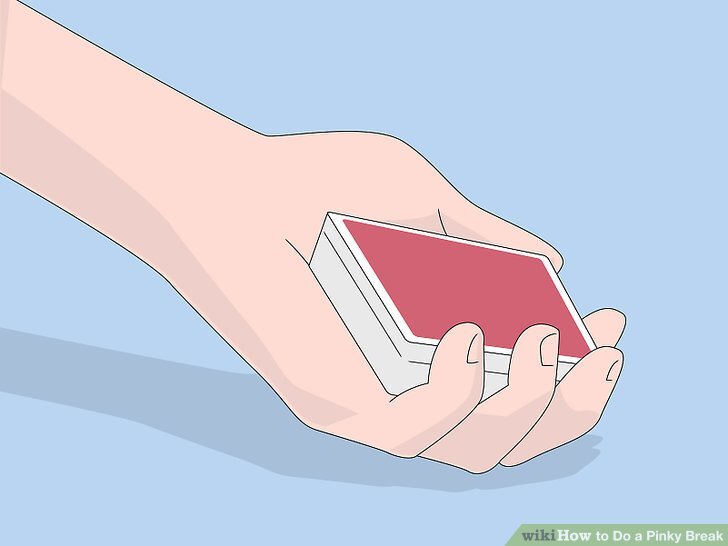
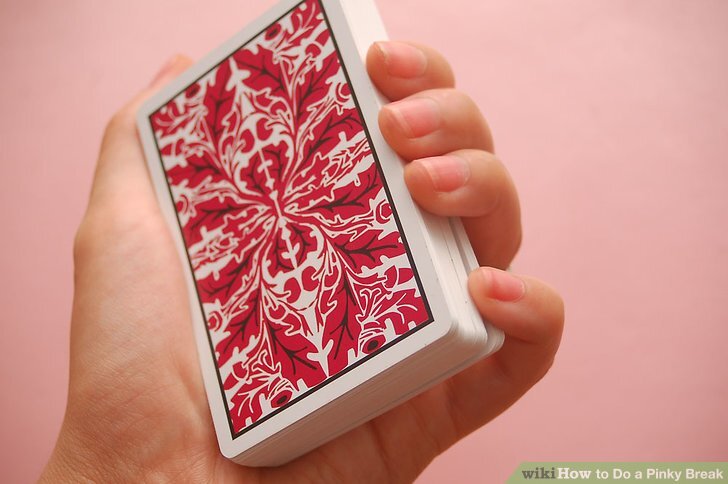
Hold the deck in your dominant hand using a standard grip, with your fingers positioned comfortably around the sides and your thumb on the back.
2. Position Your Pinky
Allow your pinky finger to extend slightly from the other fingers, resting against the corner of the deck. This will create a natural break between the cards.
3. Adjust the Break
Use your pinky to create a gap between the bottom card and the rest of the deck. The break should be subtle, just enough for you to feel the separation without making it obvious to onlookers.
4. Maintain Control
Keep your grip firm yet relaxed. Your other fingers should remain around the deck to maintain stability while ensuring the pinky break remains undetectable.
5. Practice Movements
As you practice, incorporate various shuffles and cuts without disturbing the break. This will help you develop the necessary muscle memory.Achieving optimal execution of the pinky break also requires careful consideration of hand positioning. Below are recommended positions for better performance:
Hand Positions for Optimal Execution
Different hand positions can significantly influence the effectiveness of your pinky break. Here are a few positions to consider for better control:
Standard Grip
The most commonly used grip, where the deck is held with fingers on the sides and thumb at the back, provides a stable foundation for executing the pinky break.
Dealer’s Grip
This position involves holding the deck with the thumb at the back and the index finger on the front. By extending the pinky to create a break, this grip allows for more fluid movements.
Palm-Up Grip
When the deck is held with the palm facing up, the pinky break can be executed with the pinky placed beneath the deck. This position is particularly useful when performing certain flourishes or tricks.While practicing the pinky break, it is important to be aware of common mistakes that could hinder your progress. Recognizing and addressing these pitfalls will lead to more successful execution.
Common Mistakes to Avoid When Practicing the Pinky Break
Avoiding common errors is crucial for mastering the pinky break. Consider the following mistakes and tips to prevent them:
Excessive Pressure
Applying too much pressure with the pinky can create an obvious break. Instead, practice maintaining a light touch.
Overextension of the Pinky
Extending the pinky too far can be noticeable. Ensure it is just enough to create a gap without drawing attention.
Inconsistent Practice
Regular practice is essential for muscle memory. Inconsistency can lead to a lack of proficiency.
Neglecting Other Fingers
Focusing solely on the pinky while neglecting the positioning of other fingers can disrupt grip stability. Ensure all fingers are properly positioned.By mastering these mechanics, hand positions, and avoiding common pitfalls, practitioners can effectively utilize the pinky break in their card control techniques, enhancing both their performance and the overall impact of their card routines.
Applications of the Pinky Break
The pinky break is a versatile technique in card magic, allowing performers to maintain control of cards while executing various effects. Its utility spans multiple aspects of card manipulation, enhancing both the effectiveness of card tricks and the overall performance quality. By utilizing the pinky break, magicians can achieve a seamless flow in their routines, leading to more impactful presentations.
Techniques Utilizing a Pinky Break in Card Control
The pinky break serves as a pivotal tool for card control, enabling magicians to execute numerous techniques with precision. Below are some specific techniques that employ the pinky break effectively:
- Double Lift: The pinky break allows the magician to secretly lift two cards as one, creating the illusion of showing only the top card. By placing the pinky underneath the top two cards, the magician can maintain control while performing the lift.
- Card Force: Utilizing a pinky break during a card force ensures that the magician can control the card selection process, guiding the spectator to a predetermined card while maintaining the appearance of randomness.
- Color Change: When performing a color change, the pinky break facilitates the subtle switch of cards, enabling a clean and convincing transformation in front of the audience.
- False Shuffle: Magicians can incorporate pinky breaks while executing false shuffles, allowing them to maintain a specific order of cards while appearing to mix the deck thoroughly.
Enhancing Performance During Card Tricks
The integration of the pinky break into card tricks significantly elevates the overall performance, creating a more engaging experience for the audience. One of the key benefits of using a pinky break is its ability to allow for natural-looking movements, which enhances the illusion of magic. Through the use of the pinky break, performers can maintain control over the chosen cards while executing elaborate flourishes or misdirection techniques.
This assures that the magician can confidently present effects that rely on the positioning of specific cards. For instance, when revealing a card that was previously controlled, the magician can use a pinky break to ensure the correct card remains in place, providing a solid foundation for the climax of the trick.
“A well-executed pinky break transforms ordinary card magic into extraordinary experiences.”
Comparison with Other Control Techniques in Card Magic
When comparing the pinky break to other card control techniques, its unique advantages become apparent. While there are various methods to control cards, such as the thumb break or the crimp, the pinky break stands out for its subtlety and ease of use. The following points highlight the distinctions between the pinky break and alternative techniques:
- Subtlety: The pinky break is less detectable than other breaks, making it a preferred choice for many magicians aiming for a seamless performance.
- Flexibility: Unlike more rigid techniques, the pinky break allows for various card control strategies, adaptable to different effects and routines.
- Natural Positioning: The pinky break can easily blend into natural hand movements, creating a less suspicious appearance compared to more overt control methods.
- Efficiency: The pinky break often requires less adjustment than techniques like the crimp, allowing for quicker transitions between effects.
Overall, the pinky break exemplifies a technique that not only controls card placement but also enriches the magician’s performance style, making it an indispensable tool in the art of card magic.
Practice Techniques for the Pinky Break

Mastering the pinky break is essential for any magician or card player who seeks to control the cards effectively. Practicing this technique can greatly enhance your card handling skills, allowing for more fluid and confident performances. The following sections Artikel key drills and exercises designed to improve precision, as well as a structured practice routine tailored for beginners.
Drills and Exercises for Precision
Regular practice through specific drills is important for developing a precise pinky break. These exercises will help in building muscle memory and enhancing your control over the card. Here are effective drills to incorporate into your practice sessions:
- Pinky Break Awareness Drill: Hold a deck of cards in your left hand and position your pinky under the bottom card. Practice lifting the bottom card slightly while keeping the pinky in place. Repeat this action until it feels comfortable and natural.
- Card Fan Technique: Fan out a deck of cards with your left hand. While maintaining the fan, use your pinky to create a break under a selected card. This drill helps to practice the pinky break while incorporating card handling.
- Controlled Cut Drill: Practice cutting the deck while maintaining a pinky break. After cutting, ensure that your pinky remains in position until you have completed the cut and are ready to execute your next move.
Structured Practice Routine for Beginners
Establishing a structured practice routine is crucial for beginners to grasp the fundamentals of the pinky break effectively. A simple yet effective routine can enhance learning and mastery:
- Warm-Up (10 minutes): Start with basic card handling exercises without incorporating the pinky break. This helps develop overall dexterity.
- Pinky Break Drills (15 minutes): Dedicate time to the drills mentioned earlier. Focus on each drill for a few minutes, ensuring that you maintain proper hand positioning and control.
- Application Practice (15 minutes): Use the pinky break in various card controls or tricks you are working on. This will help integrate the technique into practical applications.
- Review and Refine (10 minutes): Spend the last few minutes reviewing your practice. Focus on areas where you struggled and make adjustments as necessary.
Incorporating the Pinky Break into Regular Card Practice
Incorporating the pinky break into your card practice sessions is essential for developing a seamless flow in performance. Here are ways to ensure its regular use:
- Integrate into Existing Tricks: Choose a few card tricks you already know and identify points where a pinky break can improve your control. Practice the trick using the break to enhance performance.
- Dedicated Practice Sessions: Set aside specific time during your practice sessions to focus solely on the pinky break. This will reinforce its importance and build confidence in its use.
- Feedback Mechanism: Record your practice sessions to analyze how well you are using the pinky break. Observing your own performance can provide valuable insights and areas for improvement.
Advanced Uses of the Pinky Break
The pinky break is a versatile technique within card control that can elevate a magician’s performance significantly. While the basics of the pinky break are essential for beginners, advanced applications allow for more intricate manipulations and a greater depth of control over the deck. This section delves into advanced card control techniques that leverage the pinky break, performance strategies for live settings, and adaptations for various card tricks.
Advanced Card Control Techniques
Utilizing a pinky break opens up a range of advanced card control techniques that can enhance the effectiveness of various tricks. These techniques can include:
- Control of Multiple Cards: The pinky break can serve as a guide to control more than one card at once, allowing for flourishes and effects that involve multiple selections.
- False Shuffles and Cuts: By maintaining a pinky break while performing false shuffles or cuts, the magician can retain the order of the cards while giving the illusion of a thorough mixing.
- Double Lift Techniques: A pinky break is crucial for executing a double lift, enabling the magician to lift two cards as one without the audience noticing, creating a seamless transition.
- Forcing Techniques: Using a pinky break to signal a specific card during a force enables the magician to control the selection while appearing as though the choice was entirely free.
Performance Strategies for Live Settings
In live performances, subtlety and misdirection are vital. The following strategies can enhance the effectiveness of the pinky break in a performance context:
- Natural Hand Movement: Ensure that the hand holding the deck moves naturally. Sudden or awkward movements can draw attention to the break, so practice keeping the hand relaxed.
- Engaging the Audience: Use verbal cues or eye contact to direct the audience’s attention away from the mechanics of the trick. This can help mask any visible signs of the pinky break.
- Practice Timing: Timing is crucial when executing a pinky break in conjunction with other moves. Ensure that the break is maintained without drawing attention while transitioning between actions.
- Utilize Misdirection: Incorporate misdirection through storytelling or sudden actions that shift the audience’s focus away from your hands, allowing the pinky break to go unnoticed.
Adapting the Pinky Break for Different Card Tricks
The pinky break is adaptable for various types of card tricks, providing flexibility in execution. Here are several notable adaptations:
- In Classic Card Forces: The pinky break can be used to ensure the chosen card is easily controlled back to the top or bottom of the deck, regardless of the force technique employed.
- In Card Location Tricks: During a location effect, using a pinky break allows the magician to maintain a position of control over the spectator’s selection, facilitating seamless revelation.
- In Color Changes: The pinky break can assist in transitioning between cards during a color change, allowing for a smooth and deceptive switch that enhances the visual impact of the effect.
- In Card Flourishes: For those who incorporate flourishes into their routines, the pinky break provides a foundation for executing complex moves while maintaining control over the deck.
“The pinky break not only enhances control but also opens pathways to creativity in card magic.”
Troubleshooting Common Issues
The practice of using a pinky break can significantly enhance card control in magic and card manipulation. However, many practitioners encounter various challenges during their learning process. Identifying these common issues and providing effective solutions can aid individuals in mastering this essential technique.Frequent challenges when implementing a pinky break include maintaining consistent finger positioning, ensuring a comfortable grip, and achieving invisibility of the break during performances.
Recognizing these obstacles is the first step in overcoming them.
Common Challenges and Solutions
Understanding the issues faced can help practitioners navigate their learning journey more effectively. Below are typical challenges along with practical solutions:
-
Pinky Break Visibility: A break that is too pronounced can raise suspicion among spectators.
Practice with a mirror to ensure that the break is undetectable from various angles.
-
Finger Fatigue: Extended practice sessions can cause discomfort or cramping in the fingers.
Take regular breaks and perform finger stretches to alleviate tension.
-
Inconsistent Break Size: An inconsistent pinky break can lead to errors in card control.
Use a deck of cards to practice with different sized breaks until you find a comfortable size that is reliable.
-
Difficulty in Grip: Maintaining a stable grip while performing the pinky break can be challenging.
Experiment with different card handling techniques and find a grip that complements your hand size and dexterity.
-
Distraction During Performance: Nervousness can lead to fumbled breaks.
Rehearse your routine repeatedly to build confidence and reduce distractions during live performances.
Resources for Further Learning
Expanding knowledge and refining skills related to the pinky break can be facilitated by various resources. The following materials are recommended for further study and practice:
-
Books:
-“The Royal Road to Card Magic” by Jean Hugard and Frederick Braue
-“Card College” series by Roberto Giobbi
-
Online Courses:
-Platforms like Udemy and Skillshare often feature courses on card manipulation that include sections on pinky breaks.
-
Video Tutorials:
-YouTube channels dedicated to card magic frequently showcase techniques involving the pinky break.
-
Forums and Communities:
-Joining magic forums or local magic clubs can provide valuable advice and feedback from fellow magicians.
Conclusion and Next Steps
The pinky break is a foundational technique in card magic that significantly enhances a magician’s ability to control cards discreetly and effectively. Understanding and mastering this technique not only aids in the execution of various card controls but also opens the door to a wealth of advanced card manipulations. As a crucial skill, the pinky break can elevate performances and create a more engaging experience for audiences.As you become comfortable with the pinky break, it is important to integrate it into your practice sessions regularly.
Experimenting with the pinky break in diverse contexts will allow you to discover its full potential and adaptability. Consider applying it in different scenarios, whether during simple tricks or more complex routines, to see how it impacts your overall performance.
Related Techniques to Explore
Once you have mastered the pinky break, there are several related techniques that can further enhance your card magic skills. Exploring these methods will deepen your understanding and versatility in card manipulation. The following techniques are recommended for your practice:
- Double Lift: This technique involves lifting two cards as one, allowing you to create illusions of revealing a single card while secretly retaining the second. The pinky break is often used to facilitate this action.
- False Shuffle: Implementing a false shuffle helps maintain the order of the cards while appearing to shuffle them. Mastering this technique can complement your use of the pinky break by ensuring the audience remains unaware of the card’s position.
- Card Palming: Palming enables you to conceal cards in your hand, creating opportunities for misdirection and surprise reveals. The pinky break can serve as a reference point for card positioning during palming maneuvers.
- Forced Cards: Learning how to force a card on a spectator can be effectively done using the pinky break to maintain control over the card selection process.
Embrace these techniques as you progress in your card magic journey. They are designed to build upon the skills you have developed with the pinky break, creating a comprehensive toolkit for your performances.
Mastering the pinky break is not just about technique; it’s about enhancing your overall artistry in card magic.
Epilogue
In conclusion, the pinky break is an indispensable technique in the realm of card magic, providing performers with the ability to maintain unseen control over their cards. By mastering this skill, magicians can enhance their overall effect and engage their audience more effectively. We encourage you to incorporate the pinky break into your practice sessions, experiment with its various applications, and explore related techniques that will further enrich your card magic journey.