How to Execute the Perfect French Drop stands as a pivotal guide for aspiring magicians, inviting them into the enchanting realm of sleight of hand. This captivating technique, with its rich history and intricate mechanics, allows performers to create mesmerizing illusions that leave audiences in awe.
By delving into the essential tools, common pitfalls, and effective practice routines, this guide aims to equip magicians with the knowledge necessary to master the French Drop, ensuring their performances are both seamless and impactful.
Understanding the French Drop Technique
The French Drop is a classic sleight of hand technique in the realm of magic, renowned for its simplicity yet profound impact. It serves as a foundational skill for many magicians, allowing them to create the illusion of vanishing an object, typically a coin. This section delves into the historical origins, mechanics, and execution of the French Drop, providing a comprehensive understanding of this enchanting technique.The origins of the French Drop can be traced back to the early days of sleight of hand magic, with its roots in European conjuring traditions.
It is often attributed to French magicians from the 19th century, where it became a staple in magic acts due to its effectiveness and elegance. The French Drop gained popularity as it allowed performers to engage audiences with a simple yet deceptive illusion, making it a must-learn technique for aspiring magicians.
Basic Mechanics of the French Drop
The French Drop involves a specific set of movements and finger placements that create the illusion of an object disappearing. Understanding the mechanics is crucial for a successful execution of the trick. The fundamental movements include the following:
1. Grip
Begin by holding the coin between the thumb and the first two fingers of one hand, maintaining a firm but relaxed grip.
2. The Drop
As you pretend to transfer the coin to the opposite hand, subtly release the coin with the original hand while simultaneously closing the fingers of the opposite hand as if it has received the coin.
3. The Illusion
The key is to maintain eye contact with the audience and create a convincing narrative that the coin has been transferred, even though it remains in the original hand.
Step-by-Step Breakdown of Executing the French Drop
Executing the French Drop requires precision and practice. Below is a step-by-step guide to mastering this technique:
1. Preparation
Select a coin that is comfortable to handle. Stand or sit in a position where your audience has a clear view of your hands.
2. Initial Position
Hold the coin in your dominant hand, between your thumb and the first two fingers, ensuring it is visible to your audience.
3. The Transfer
Make a movement to bring the coin towards the other hand, lifting the dominant hand slightly.
As you approach the opposite hand, release the coin discreetly into your dominant hand’s palm; this requires timing and coordination.
4. Close the Opposite Hand
As you release the coin, simultaneously close the fingers of the opposite hand around the space where the coin would have been, reinforcing the illusion that the coin has been successfully passed.
5. Presentation
Maintain eye contact with your audience and gesture with the opposite hand, drawing attention to the “vanished” coin. It is essential to sell the illusion confidently.
6. Practice
Repeatedly practice in front of a mirror to refine your movements and ensure the transition appears seamless.
“Mastery of the French Drop lies in the subtleties of misdirection and the confidence of execution.”
By following these steps and understanding the underlying principles of the French Drop, magicians can enhance their repertoire and captivate audiences with this timeless illusion.
Essential Tools and Props for French Drop

In the art of performing the French Drop, the selection of appropriate tools and props is paramount. These elements significantly contribute to the effectiveness and visual appeal of the trick. The French Drop relies heavily on the illusion created during the performance, making the choice of objects crucial for a convincing execution.The typical props utilized in performing the French Drop include small items that are easy to handle and manipulate.
The nature of these props can greatly impact the overall execution and the audience’s perception of the trick. Selecting the right object enhances the illusion, helps maintain the flow of the performance, and ensures that the focus remains on the magic rather than potential distractions.
Choosing Suitable Props for Performance
When selecting objects for the French Drop, it is essential to consider their size, weight, and visual appeal. The following factors can guide the decision-making process:
- Size: Choose props that fit comfortably in your hand and are easy to conceal. Items like coins, small balls, or folded cards are ideal as they can be easily palmed without drawing attention.
- Weight: Lighter objects are generally more effective for the French Drop, as they allow for smoother movements and can be dropped or concealed without causing disruption to the performance.
- Visual Appeal: Selecting colorful or unique objects can enhance the visual impact of your performance. Props that catch the light or have distinctive patterns are more likely to engage the audience’s attention.
- Familiarity: Using everyday objects, such as a common coin or a small piece of paper, can create a sense of realism, making the illusion more compelling to the audience.
“Selecting the right props is not merely a matter of convenience; it profoundly influences the effectiveness of the French Drop.”
In conclusion, the effectiveness of the French Drop is heavily reliant on the chosen props. By focusing on the size, weight, visual appeal, and familiarity of the objects used, performers can significantly enhance the impact of their illusion, ensuring a captivating experience for their audience.
Common Mistakes and How to Avoid Them
When performing the French Drop, even experienced magicians can fall into a few common pitfalls that may detract from the overall effect. Recognizing and addressing these errors is crucial for ensuring a seamless performance that captivates the audience. This section will identify frequent mistakes made by performers and provide practical strategies to refine your technique during practice sessions.
Frequent Errors in French Drop Execution
The following list highlights common mistakes encountered while performing the French Drop. Understanding these issues allows performers to proactively address them, thereby enhancing their proficiency.
- Inconsistent Hand Positioning: Improper alignment of the hands can lead to a visible distraction that reveals the secret of the trick.
- Inadequate Concealment of the Object: Failing to fully cover or misplacing the object can cause spectators to see it fall, breaking the illusion.
- Overly Dramatic Movements: Excessive gestures can draw attention away from the drop, making the execution seem forced and unnatural.
- Neglecting Eye Contact: Avoiding eye contact can signal to the audience that something is amiss, diminishing their engagement.
- Poor Timing: Misjudging the moment of the drop can disrupt the flow of the trick, leading to confusion among spectators.
Strategies for Improvement during Practice
To mitigate the common mistakes Artikeld above, it is essential to adopt focused strategies during practice sessions. These tactics can help performers refine their skills and foster greater confidence.
- Practice with a Mirror: Utilizing a mirror allows performers to observe their hand positioning and overall presentation, ensuring that the execution is smooth and undetectable.
- Record and Review Performances: Video recordings provide valuable feedback on movements, timing, and eye contact, allowing performers to identify areas that need refinement.
- Controlled Environments: Practice in front of a small group of friends or family to simulate the audience experience while receiving constructive feedback.
- Focus on Body Language: Emphasizing subtle, natural movements can enhance the illusion without drawing attention to any potential flaws.
- Rehearse Timing: Repeating the trick with a focus on timing can help performers effectively gauge when to execute the drop, ensuring fluidity in the performance.
Self-Evaluation Techniques
After practicing the French Drop, self-evaluation plays a crucial role in determining the accuracy and effectiveness of the execution. Employing the following techniques can facilitate a constructive assessment of one’s performance:
- Audience Feedback: Collecting feedback from trusted individuals can provide insights into how well the trick was perceived, highlighting strengths and weaknesses.
- Reflection on Performance: Taking time to reflect on what felt right and what didn’t during the performance aids in recognizing patterns that require adjustment.
- Benchmark Against Standards: Comparing your performance with instructional videos or professional magicians can help identify discrepancies and areas for growth.
- Set Specific Goals: Establishing clear objectives for each practice session allows for targeted improvements, focusing on specific mistakes that need attention.
- Visualization Techniques: Visualizing the ideal performance can enhance confidence and preparation, mentally reinforcing successful execution.
Practicing the French Drop
Mastering the French Drop requires dedication and a structured approach to practice. This elegant sleight of hand, often favored by magicians for its visual appeal, demands not just understanding but also a significant investment in practice. Creating a well-defined routine can dramatically enhance your proficiency, facilitating the transition from a novice to a skilled performer.Repetition is crucial in developing muscle memory, which allows you to execute the French Drop smoothly and confidently.
When your hands and fingers learn the movements through consistent practice, the action becomes second nature. This muscle memory not only improves execution speed but also elevates your overall performance, allowing you to focus on your presentation rather than the mechanics of the trick.
Structured Practice Routine
Establishing a structured practice routine is essential for mastering the French Drop. A focused regimen will help you track your progress and ensure that you’re dedicating sufficient time to each aspect of the move. Consider the following components for an effective practice schedule:
- Warm-Up Exercises: Begin each session with finger exercises to enhance flexibility and strength. Stretch your fingers and practice basic hand movements to prepare.
- Basic French Drop Drills: Start practicing the French Drop slowly, emphasizing the technique’s mechanics. Focus on the hand positioning, the moment of dropping the coin, and the naturalness of your movements.
- Mirror Practice: Utilize a mirror to observe your technique. This visual feedback helps identify areas for improvement, such as hand positioning and facial expressions during the performance.
- Speed Variation: Gradually increase the speed of your execution while maintaining precision. This will help you adapt to different performance environments, whether slow-paced or fast-paced.
- Session Review: Conclude each practice session with a review of your progress. Take notes on what worked well and what needs improvement, and adjust your next session accordingly.
Consistency in Practice
A consistent practice schedule is vital for developing proficiency in the French Drop. By dedicating regular time slots to practice, you can ensure steady progress over time. Consider the following tips when organizing your practice schedule:
- Set Specific Days and Times: Choose specific days and times each week to practice. This regularity helps establish a habit and ensures that practice becomes a priority.
- Short, Focused Sessions: Instead of long, exhaustive practice sessions, opt for shorter, focused periods of 20-30 minutes. This approach maintains concentration and prevents fatigue.
- Track Your Progress: Keep a journal to document your improvements, challenges, and insights after each practice session. Reflecting on your journey fosters motivation and enables targeted practice.
- Incorporate Performance Elements: As you become comfortable with the technique, practice in front of friends or family. This not only simulates real performance conditions but also builds confidence.
“Consistent practice transforms uncertainty into confidence, and routine into mastery.”
Variations of the French Drop
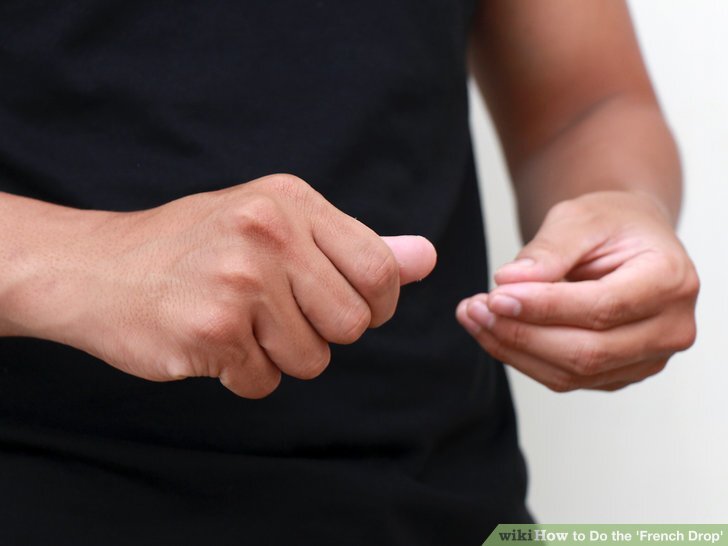
The French Drop is a classic magic trick that can be adapted in numerous ways to enhance its effectiveness and audience engagement. By exploring different variations, performers can add their unique flair to the routine, making it more memorable and entertaining. Understanding these variations allows magicians to tailor their performances to suit different audiences and contexts.One significant aspect of the French Drop is its versatility.
Variations can incorporate different props, change the timing, or involve the audience directly, creating an interactive experience. Below are notable variations that performers can experiment with, along with suggestions for audience interaction.
Different Variations of the French Drop
There are several ways to modify the traditional French Drop to enhance visual impact and audience participation. The following variations can be incorporated into performances:
- Color Change French Drop: Introduce a colored handkerchief that visually transitions into another color during the drop, capturing the audience’s attention. This variation can be made more engaging by inviting an audience member to choose a color beforehand, ensuring they feel involved in the trick.
- Multi-Object French Drop: Instead of using a single object, perform the drop with two or more items, creating a sense of surprise when one or more seemingly vanish. Engaging the audience by having them hold one of the objects can enhance their investment in the outcome.
- Timed Drop Variation: Incorporate a timed element where the performer must drop the object at a precise moment, such as when a loud sound occurs. This anticipation builds suspense and encourages audience reactions.
- Interactive French Drop: Allow an audience member to assist by holding one end of the object before executing the drop, involving them directly in the act of magic and fostering a personal connection with the audience.
- Illusionary Drop: Utilize a mirror or reflective surface to create the illusion of the item disappearing behind the audience’s view, enhancing the mystique of the drop. Involve the audience by asking them to guess where the object has gone, sparking conversation and engagement.
Mini-Performance Design
A cohesive mini-performance that showcases multiple variations of the French Drop can leave a strong impression on the audience. Here is a suggested sequence that incorporates several variations:
1. Opening with the Classic French Drop
Start with the traditional French Drop to establish the baseline of the performance. This sets up the audience’s expectations.
2. Transitioning to the Color Change French Drop
After the initial drop, introduce a colored handkerchief and perform a color change, inviting a volunteer to select the initial color. This provides a seamless flow and enhances audience engagement.
3. Incorporating the Multi-Object French Drop
Move into the multi-object variation by introducing two different objects. Have the volunteer hold one item, leading to a surprising drop of the other. This variation maintains momentum and keeps the audience intrigued.
4. Adding the Timed Drop Variation
Build tension with a timed drop, where the performer must drop the object to coincide with a sound cue. Use a drumroll or clap to heighten engagement, enhancing excitement among the audience.
5. Closing with the Illusionary Drop
Conclude with the illusionary drop using a reflective surface, prompting audience members to guess where the object has vanished. This interactive finale solidifies audience participation and leaves them with a lasting sense of wonder.By employing these variations in a structured mini-performance, magicians can create a dynamic and engaging experience that captivates and entertains their audience.
Enhancing Performance with Misdirection
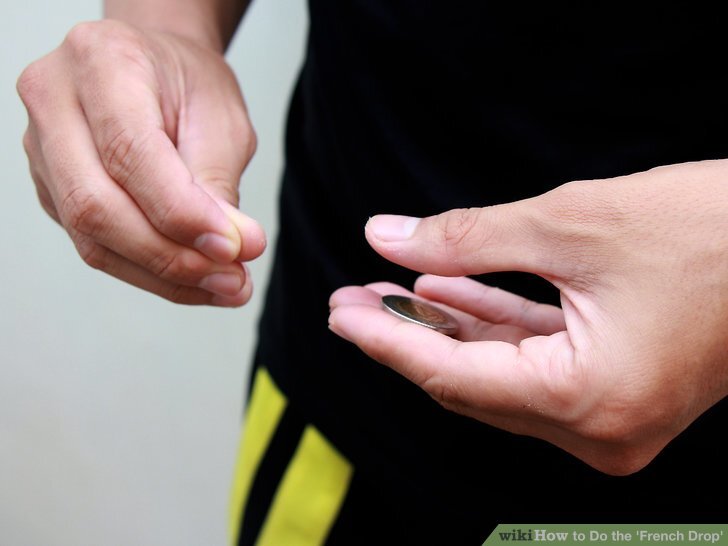
Misdirection plays a crucial role in the successful execution of the French Drop technique, as it helps to captivate the audience’s attention, making the magic appear seamless and effortless. By skillfully directing focus away from the hand performing the drop, magicians can enhance the illusion and create a more engaging experience for viewers.Misdirection is the art of drawing an audience’s attention to one thing while something else occurs unnoticed.
This technique is essential for the French Drop, where the subtlety of the hand’s movement can easily be overlooked if the audience’s gaze is fixated elsewhere. To execute this effectively, several techniques can be employed:
Techniques for Effective Misdirection
Creating successful misdirection involves a combination of body language, verbal cues, and visual stimuli. The following are key techniques that can greatly enhance the performance of the French Drop:
1. Engaging Dialogue
Using conversational elements or storytelling techniques can distract the audience’s attention. For example, while explaining the trick, a magician might ask a seemingly unrelated question or make an amusing comment, momentarily shifting focus away from the hands.
2. Gestural Movement
Incorporating larger gestures with the non-dominant hand can draw attention away from the hand executing the drop. For instance, while the dominant hand performs the French Drop, moving the other hand in a sweeping motion can effectively capture the audience’s gaze.
3. Eye Contact
Establishing eye contact with the audience encourages engagement and draws their focus. A magician might engage with specific audience members while performing the trick, subtly leading their attention away from the critical moment of the drop.
4. Props and Visual Distractions
Utilizing props that require audience interaction, such as passing around a card or an object, can shift attention. While the audience is preoccupied with the prop, the magician can execute the French Drop undetected.
“The essence of misdirection lies in creating a moment of diversion that allows the secret to unfold without scrutiny.”
Examples of successful misdirection are abundant in performance magic. For instance, renowned magician David Copperfield often uses grand gestures and engaging narratives to divert attention at pivotal moments in his tricks. In one of his famous performances, he distracts the audience with an elaborate story while skillfully switching the objects in his hands, leaving spectators astounded by the unexpected outcome.Another notable example is from the performance of magician Penn & Teller, who use humor and interactive elements to keep the audience engaged, allowing them to perform sleights of hand unnoticed.
Their ability to maintain a light-hearted atmosphere while executing complex tricks showcases the effectiveness of misdirection in enhancing overall performance.By mastering these misdirection techniques, magicians can significantly improve their execution of the French Drop, creating a captivating illusion that leaves the audience in awe.
Integrating French Drop into Routines
The French Drop is a versatile sleight that can significantly enhance a magician’s performance when integrated into a larger routine. By weaving this technique into various performance segments, magicians can create a cohesive and engaging experience for their audience. The seamless incorporation of the French Drop not only serves as an impressive standalone trick but also builds momentum for subsequent illusions, allowing for a more impactful overall presentation.
Integrating the French Drop into a routine requires careful planning and consideration of the surrounding tricks. A magician can create a flowchart to visualize how the French Drop fits within different performance scenarios, regardless of whether the focus is on close-up magic, stage performances, or interactive audience participation. The following flowchart Artikels potential paths for integrating the French Drop into various routines:
Flowchart: The French Drop in Performance Scenarios
Start with an attention-grabbing opener
A quick visual trick that engages the audience.
Introduce the French Drop
Following the opener, utilize the French Drop as a transition trick to maintain engagement.
Layer in complementary tricks
After performing the French Drop, follow it up with tricks that use similar props or themes, such as coin manipulation or card tricks that require misdirection.
Climactic finale
Conclude with a grand effect that leaves a lasting impression, utilizing the momentum built from the previous tricks.
Opportunities for Layering Other Tricks
Layering is an essential technique that enhances the impact of the French Drop within a routine. By strategically incorporating other tricks that complement the French Drop, a magician can deepen the audience’s experience. Here are some examples of how to layer tricks effectively:
Coin Manipulation
Following the French Drop with a series of coin tricks can create a cohesive theme. The visual similarity allows for smoother transitions and keeps the audience engaged with familiar props.
Misdirection Techniques
Use misdirection to draw attention away from the moment of the French Drop, then seamlessly transition into a surprising reveal with a different effect, such as a card appearing in an unexpected location.
Themed Routines
Develop a routine around a specific theme (e.g., magic in a café) and incorporate the French Drop as a transitional moment between themed tricks. This creates a narrative that enhances the overall performance.
Building Climax
Use the French Drop as a precursor to a larger illusion or finale. The audience’s engagement with the drop can build anticipation for the climactic moment, resulting in a more powerful conclusion.
By methodically integrating the French Drop into routines and layering other tricks, a magician can create a more dynamic and engaging performance that captivates and mesmerizes the audience. This strategic approach allows for the exploration of creativity and innovation within the realm of magic, leading to a memorable experience that resonates with spectators long after the performance has concluded.
Audience Reception and Feedback
Understanding how an audience receives a magic performance, particularly when executing the French Drop, is essential for any magician. Audience reactions can greatly influence the effectiveness of the performance and the magician’s ability to connect with spectators. Recognizing these responses and adapting accordingly can enhance the overall experience for both the performer and the audience.
Methods for Gauging Audience Reactions
Observing audience reactions during a performance can provide valuable insights into the effectiveness of the French Drop. Key indicators of audience engagement include body language, facial expressions, and vocal reactions. Magicians can employ several methods to assess audience feedback effectively:
1. Direct Observation
Pay attention to the audience’s engagement level during the performance. Look for signs of astonishment, laughter, or confusion, which can indicate whether the trick is being received positively or negatively.
2. Post-Performance Feedback
Engaging with audience members after the performance can yield insightful critiques. Some magicians may request immediate reactions, while others prefer to gather feedback through structured forms.
3. Video Recording
Recording performances and reviewing the footage can help identify moments that resonated well with the audience versus those that may have fallen flat. This method allows for a more objective analysis of audience reactions.
Adjusting Performances Based on Audience Feedback
Adapting performances based on audience feedback is crucial for improving the delivery of the French Drop. Understanding audience preferences and reactions allows magicians to refine their techniques and presentation style. Here are some strategies to consider:
Tailoring the Routine
Adjust the pacing and delivery based on the audience’s responses. If the audience seems lost or disengaged, consider slowing down the execution to allow them to follow along more easily. Conversely, if the audience shows enthusiasm, increasing the tempo can heighten the excitement.
Incorporating Audience Suggestions
Listening to constructive criticism can provide new perspectives. If multiple audience members suggest adjustments, consider integrating these ideas to enhance future performances.
Practice and Adapt
Use audience feedback as a guide for rehearsals. Identifying which elements of the French Drop are effective and which are not can streamline practice sessions, focusing on areas that need improvement.
Questions for Constructive Critique
Gathering detailed feedback from audience members can significantly enhance a magician’s performance. Here is a list of questions that magicians can ask after a performance to obtain constructive critiques:
What part of the performance did you enjoy the most, and why?
Were there any moments during the French Drop that confused you?
Did you find the transitions between tricks smooth and engaging?
How would you describe your emotional reaction to the performance overall?
Were there any aspects of the performance that you felt could be improved? If so, how?
- Did the use of props and tools enhance your experience of the French Drop?
- How did the pacing of the performance affect your engagement?
Collecting answers to these questions can provide magicians with valuable insights into their audience’s experience, allowing for targeted improvements and adjustments in future performances.
Ultimate Conclusion
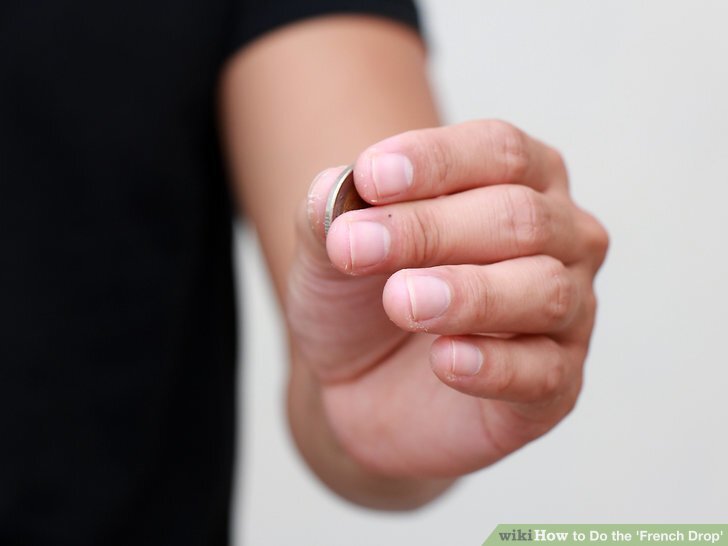
In conclusion, mastering the French Drop is not merely about perfection in execution; it is about understanding the artistry behind the technique and the engagement it fosters with the audience. With practice, thoughtful integration, and an awareness of audience feedback, magicians can elevate their performances, creating unforgettable experiences that captivate and entertain.