How to Levitate a Dollar Bill Between Your Hands opens the door to a fascinating realm of magic and illusion, where the boundaries of reality seem to blur. This captivating trick not only showcases the principles of levitation but also highlights the psychological elements that make magic so enchanting to audiences. With a blend of historical context and practical application, this guide invites you to explore the art of illusion and the secrets behind making ordinary objects defy gravity.
In this comprehensive overview, we will delve into the essential materials needed for this trick, the step-by-step process to master the levitation technique, and the myriad ways to enhance its visual impact. Furthermore, we will examine the psychological aspects that contribute to a successful performance and provide insights into audience engagement, safety practices, and additional resources for further learning.
Introduction to the Concept of Levitation
Levitation is a captivating phenomenon that has intrigued humanity for centuries, combining elements of magic, science, and psychology. In its essence, levitation refers to the ability of an object to rise and remain suspended in the air without any physical support. This concept has transcended the boundaries of mere illusion to encompass scientific exploration, leading to groundbreaking advancements in various fields.The principles behind levitation are rooted in fundamental physical forces, such as magnetism, buoyancy, and electrostatic repulsion.
These forces can counteract gravity, allowing objects to float. Historically, levitation has been a subject of fascination in both mystical traditions and scientific endeavors. In magic, illusionists often employ tricks that create the appearance of levitating objects, captivating audiences and sparking wonder. Notable figures such as the magician David Copperfield have included levitation in their performances, showcasing the power of illusion.
Meanwhile, scientific exploration into magnetic levitation has resulted in significant advancements, such as maglev trains, which use powerful magnets to float above tracks, reducing friction and increasing speed.
Historical References to Levitation
The history of levitation is steeped in both folklore and scientific inquiry.
- In ancient cultures, tales of supernatural beings levitating were common, often regarded as divine acts.
- In the 19th century, Franz Anton Mesmer’s theories on animal magnetism suggested that invisible fluid could levitate objects, influencing later psychological practices.
- Scientific experimentation in the 20th century led to innovative applications of levitation techniques, particularly in the fields of engineering and materials science.
These references highlight the enduring allure of levitation, bridging the gap between the mystical and the empirical. The significance of levitating objects extends beyond mere entertainment; it delves into the realms of psychology, where the perception of levitation can evoke feelings of amazement and curiosity, ultimately enhancing the overall experience of the audience.
The interplay of belief and perception plays a crucial role in the psychology of levitation, as audiences are often entranced by the illusion, fostering a sense of wonder and engagement.
Necessary Materials for the Trick
To successfully perform the levitation of a dollar bill between your hands, certain materials are essential to create the illusion of floating. Understanding these materials is crucial to ensure that the trick is executed flawlessly, captivating your audience with a sense of wonder and magic.
The primary item required for this illusion is, of course, a dollar bill. However, the selection of the right type of dollar bill and consideration of alternative materials can also enhance the performance. Below is a detailed examination of the necessary items and their importance in the performance of this trick.
Items Required to Levitate a Dollar Bill
The following is a list of materials needed to perform this captivating trick. Each item plays a vital role in creating the desired effect.
- Dollar Bill: A standard U.S. dollar bill is most commonly used. It is flexible, lightweight, and easily manipulated, making it an ideal choice for this illusion.
- Clear Thread or Fishing Line: This nearly invisible string is essential for creating the illusion of levitation. It should be strong enough to support the weight of the dollar bill while remaining undetectable to the audience.
- Scissors: Needed to cut the thread to the appropriate length for the trick.
- Sticky Tape or Adhesive Putty: To attach one end of the thread to the dollar bill securely.
Selection of the Right Type of Dollar Bill
Choosing the right type of dollar bill can significantly impact the effectiveness of the levitation trick. When selecting a bill, consider the following factors:
- Condition of the Bill: It is advisable to use a crisp, clean bill. Avoid bills that are wrinkled or heavily worn, as they may not hold their shape well during the levitation.
- Size and Weight: Standard U.S. bills are ideal due to their uniform size and weight. Using smaller denominations, such as a one-dollar bill, can create a more pronounced effect.
Alternative Materials for the Trick
In situations where a dollar bill is unavailable, several alternative materials can still produce a similar levitation effect. While these alternatives may not provide the same visual impact, they can still be effective.
- Playing Cards: A single playing card can serve as a substitute. The card’s size and weight make it suitable for levitation, and it can easily be manipulated with the same techniques used for a dollar bill.
- Lightweight Paper or Cardstock: Any lightweight piece of paper, such as a note or a business card, can be used. Ensure it is thin enough to create the illusion of floating.
- Small Plastic or Foam Objects: Items such as thin plastic discs or foam cutouts can also work. Their lightweight nature allows for easier manipulation, though the visual appeal may differ.
“The right choice of material is essential for creating a believable levitation effect.”
Step-by-Step Guide to Levitate a Dollar Bill
To successfully perform the levitation trick with a dollar bill, it is crucial to follow a systematic approach that ensures both effectiveness and visual appeal. During this process, the performer will rely on the right setup, hand positions, and movements to create the illusion of levitation. This guide will provide a clear roadmap to achieving this captivating feat.The initial setup is essential for creating the optimal conditions for the levitation trick.
Ensure that the surrounding environment is calm, well-lit, and free from distractions. A flat, stable surface is preferred to conduct the trick effectively. Follow the steps below to prepare for the performance:
Initial Setup and Required Hand Positions
In this section, we will cover the necessary setup and the specific hand positions required for the trick. The correct positioning of your hands is critical for creating the illusion of the dollar bill floating between them.
1. Select a dollar bill
Choose a crisp, flat bill to enhance visibility and effectiveness during the trick.
2. Hold the bill
Grasp the dollar bill with your dominant hand, holding it horizontally at its center. Your fingers should be positioned above and below the bill to support it adequately.
3. Position your non-dominant hand
Extend your non-dominant hand below the dollar bill, keeping it parallel to the surface. Ensure that your fingers are also spread wide apart to create a larger visual area for the illusion.
4. Set the scene
Stand or sit comfortably, ensuring that your hands are at a sufficient distance to allow the dollar bill to “float” freely without any obstruction.
Sequence of Actions for Levitation
Following the initial setup, the sequence of actions is vital for convincing your audience that the dollar bill is levitating. Each movement should be fluid and smooth to maintain the illusion. The following steps Artikel this sequence:
1. Establish a steady grip
Firmly yet gently hold the dollar bill with your dominant hand while ensuring your non-dominant hand is positioned appropriately beneath it.
2. Initiate the levitation effect
Slowly begin to raise your non-dominant hand upward, ensuring the dollar bill remains in the same horizontal plane. This upward motion should be gradual and controlled, allowing the audience to witness the dollar bill seeming to float.
3. Create the illusion of separation
As you lift your non-dominant hand, subtly release tension in your dominant hand. The goal here is to give the impression that the dollar bill is being held up by invisible forces.
4. Maintain eye contact
Engage with your audience by maintaining eye contact while performing the trick. This connection enhances the overall experience and adds to the magic of the illusion.
5. Control the final position
Once the dollar bill reaches the desired height, hold it steadily for a few moments. This pause allows the audience to absorb the trick before you gently lower your non-dominant hand, bringing the dollar bill back to its original position.Through careful attention to the above steps, the performer can effectively create the illusion of a levitating dollar bill, captivating the audience’s attention and leaving them in awe.
Techniques and Methods to Enhance the Effect
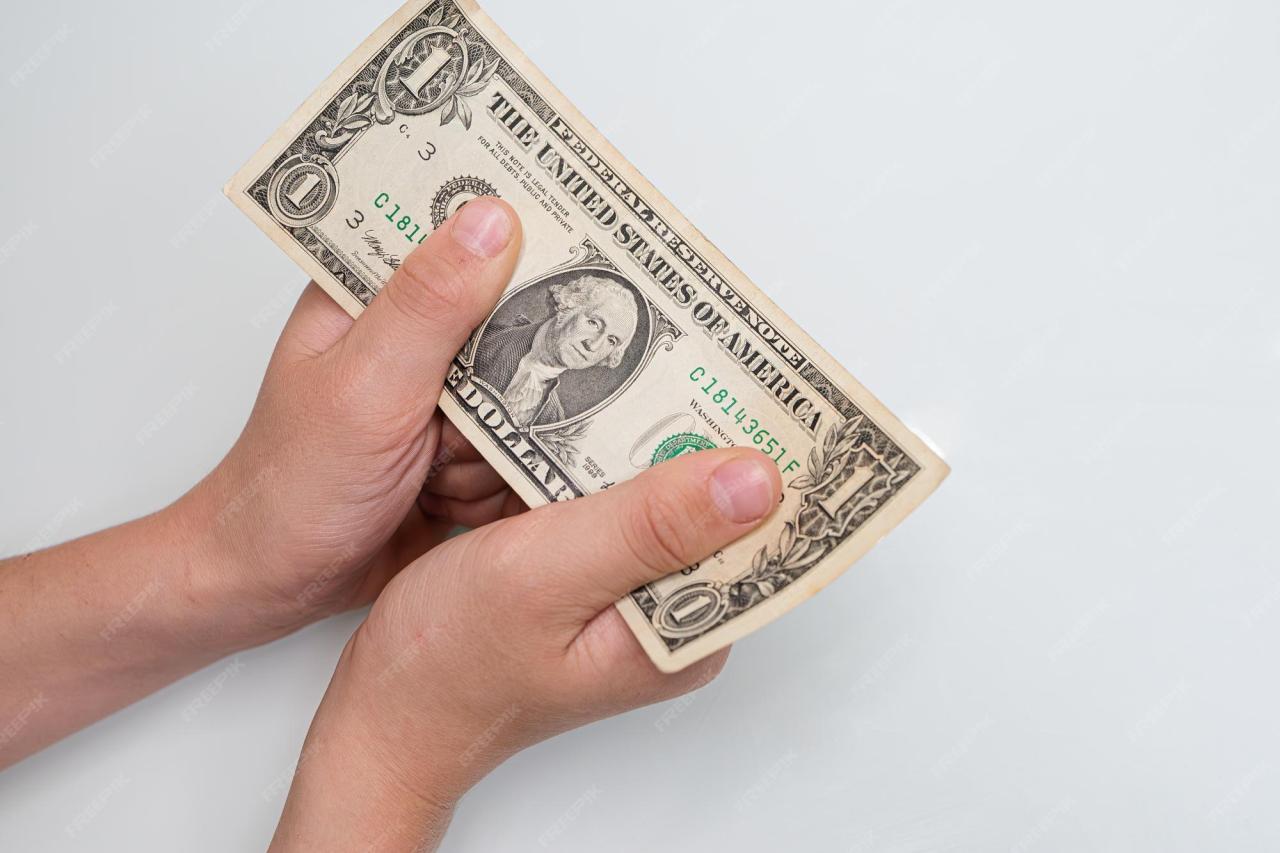
Enhancing the visual impact of levitating a dollar bill can significantly elevate the performance quality and audience engagement. By incorporating specific techniques and methods, a magician can create a more captivating experience, leaving the spectators in awe. This section elaborates on effective strategies to improve the illusion, common pitfalls to avoid, and methods for a dramatic presentation.
Methods to Improve Visual Impact
Several techniques can be employed to enhance the illusion of levitation. These methods focus on the positioning, environment, and audience interaction, all of which contribute to a more compelling performance. Consider the following aspects:
- Lighting: Proper lighting can dramatically affect the visibility of the trick. Ensure the environment has soft lighting that reduces harsh shadows, allowing the bill to stand out.
- Distance from Audience: Position yourself at an optimal distance from the audience. Too close may lead to scrutiny, while too far may diminish the effect. A distance of about six to eight feet typically works well.
- Body Language: Use confident and fluid movements while performing the trick. This not only directs the audience’s attention but also distracts from any mechanics involved in the levitation.
Avoiding Common Mistakes
While executing the levitation trick, several common mistakes can undermine its effectiveness. Awareness of these pitfalls is crucial for a successful performance. Here are key mistakes to avoid:
- Overexposure: Repeatedly performing the trick in front of the same audience can reduce its impact. Aim to save the illusion for special occasions to maintain its novelty.
- Inadequate Practice: Insufficient rehearsal can lead to awkwardness or visible flaws in execution. Practice in front of a mirror or record your performance to identify areas needing improvement.
- Poor Timing: Timing is essential for creating suspense. Avoid rushing the trick; instead, build anticipation with pauses and engaging dialogue.
Creating a Dramatic Presentation
A dramatic presentation enhances the overall experience for the audience, making the levitation more memorable. To achieve this, consider the following strategies:
- Storytelling: Incorporate a narrative that captivates your audience. A compelling story related to the dollar bill can add context and engage the spectators emotionally.
- Audience Interaction: Involve the audience by inviting them to inspect the bill before and after the trick. This establishes trust and adds to the mystery of the performance.
- Music and Sound Effects: Background music can enhance the atmosphere. Choose music that complements the performance’s pace, creating a more immersive experience.
“The key to a successful performance is not just the trick itself, but the story and emotion you weave into it.”
Psychological Aspects of Performing Magic Tricks
The realm of magic extends beyond mere illusion; it delves into the intricacies of human perception and psychology. Understanding how the audience perceives a magic trick is vital for enhancing its effectiveness. The art of magic relies heavily on the manipulation of perception, where the goal is to create a moment of disbelief that captivates the audience and evokes wonder.
By harnessing psychological principles, performers can craft experiences that elevate a simple trick into an unforgettable spectacle.The effectiveness of magic tricks hinges largely on audience perception. When spectators witness a performance, their beliefs and expectations shape their experience. Magicians must be adept at guiding these perceptions to ensure that the audience perceives the trick as miraculous rather than mundane. Factors such as the magician’s demeanor, the environment, and even the audience’s psychological state can all influence how a trick is received.
A confident and engaging performer can instill a sense of excitement and anticipation, enhancing the overall impact of the illusion.
Misdirection and Attention Focus Techniques
Misdirection is a fundamental technique that allows magicians to control what the audience sees and believes. By directing attention away from the method behind the illusion, performers can create a seamless experience that leaves spectators astonished. Here are several techniques that can be employed to achieve effective misdirection:
- Body Language: The magician’s gestures and movements can guide the audience’s focus. For instance, making broad, sweeping movements with one hand while performing a subtle action with the other can effectively divert attention.
- Verbal Cues: Utilizing engaging dialogue or storytelling can also help misdirect an audience. By capturing their attention with words, spectators may overlook critical aspects of the trick.
- Props and Visuals: Introducing eye-catching props or dramatic visual elements can shift focus. For example, producing a dazzling object that draws the audience’s gaze away from the actual trick being performed enhances the illusion.
Creating Suspense in Performances
Suspense is a powerful tool in magic that can heighten the emotional response of the audience. By building anticipation and tension, a performer can create a memorable experience that resonates long after the trick is over. Techniques for cultivating suspense include:
- Timing: The pacing of a performance is crucial. Deliberately slowing down key moments or extending pauses can increase tension, making the eventual reveal more impactful. For example, a magician might hold a gesture or glance at the audience just before an important moment.
- Building Narrative: Crafting a story around the trick adds layers of intrigue. A narrative can guide the audience’s expectations while leading them to anticipate the outcome, enhancing the surprise when the trick culminates.
- Utilizing Music and Sound Effects: The right auditory backdrop can amplify emotions. Dramatic music or sound effects can cue the audience into moments of suspense, making the climax of the trick more pronounced and engaging.
“Magic is not about trickery; it is about the art of creating experiences that defy logic yet resonate with human emotion.”
Safety Precautions During the Performance
Performing magic tricks, such as levitating a dollar bill, can be an exhilarating experience. However, it is crucial to prioritize safety to ensure a smooth performance without any mishaps. Understanding potential risks and implementing safety measures is key to maintaining an enjoyable atmosphere for both the performer and the audience.One primary risk involved in performing this trick is the possibility of using materials or techniques that could lead to physical injury or damage to property.
It is essential to acknowledge these risks and take appropriate steps to mitigate them to foster a safer environment.
Potential Risks Involved in the Trick
Performers should be aware of several risks associated with levitating a dollar bill. Key risks may include:
- Injury from sudden movements: Rapid or uncontrolled motions while attempting to levitate the bill can cause accidents.
- Tripping hazards: The performance area should be clear of obstacles that could lead to falls.
- Damage to the bill: Excessive use of adhesives or tools may damage the dollar bill, making it unusable.
Safe Practices to Ensure Injury Prevention
Implementing safe practices is essential for a successful magic performance. The following recommendations can help avoid potential injuries:
- Warm up beforehand: Perform stretches to ensure your body is prepared for the movements required in the trick.
- Rehearse the trick: Practice in a safe environment to master the technique before performing in front of an audience.
- Use appropriate materials: Ensure that any tools or props utilized in the trick do not pose a risk to yourself or the audience.
Control of the Performance Environment
Maintaining control of the environment is vital for any magic performance. This allows for a more polished and safe act. Consider the following strategies:
- Choose an appropriate venue: Select a space that is spacious and free from potential hazards, such as sharp objects or uneven surfaces.
- Engage the audience: Keep the audience’s attention directed towards the performance to reduce distractions that may lead to accidents.
- Establish clear boundaries: Ensure that the audience is positioned at a safe distance from the performance area to prevent accidental contact with props.
“Safety should always be a priority, allowing the magic to shine while ensuring a risk-free environment.”
Exploring Similar Magic Tricks
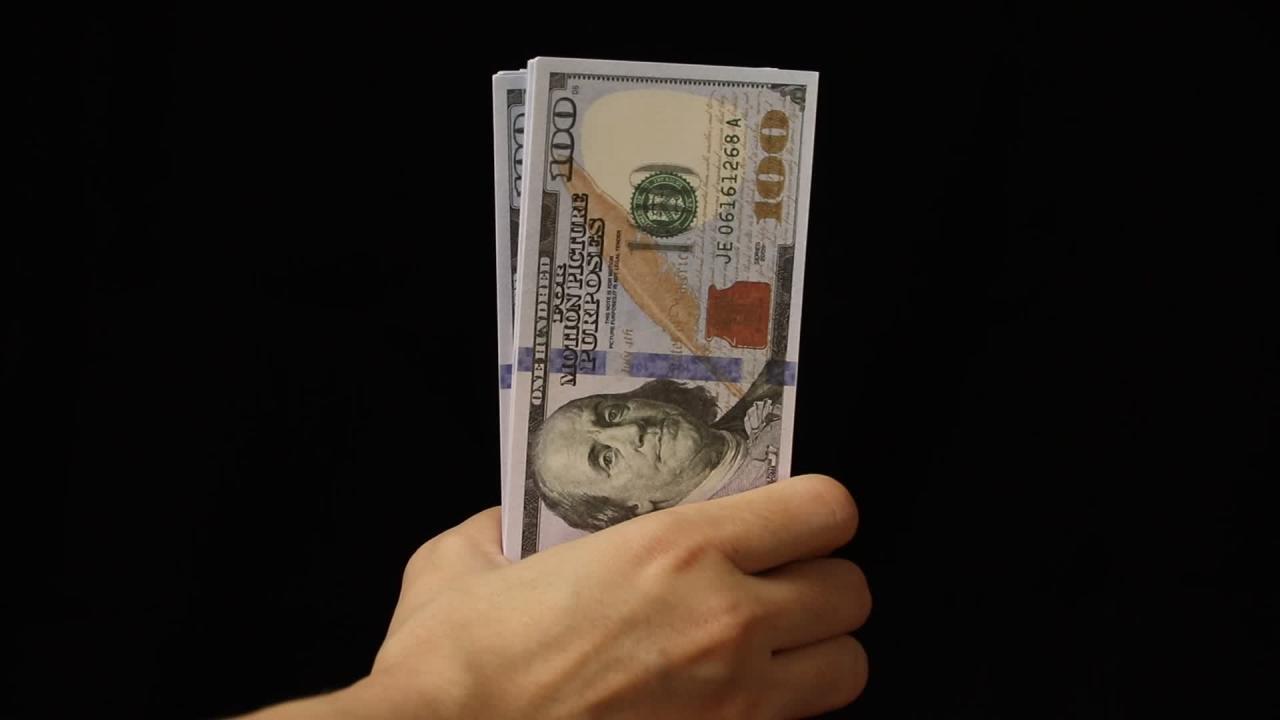
The art of magic often intertwines various techniques that create illusions of levitation, manipulation, and unexpected outcomes. Among these, the levitation of a dollar bill captivates audiences with its simplicity and charm. This segment explores related tricks that utilize similar methods, analyzing their similarities and differences, while also suggesting ways to combine them for an enriched performance experience.Understanding the mechanics behind various magic tricks can enhance a magician’s creativity and repertoire.
The following tricks employ principles akin to dollar bill levitation, each with its unique twist that adds to the allure of magic.
Related Magic Tricks
The following list Artikels magic tricks that share techniques with the dollar bill levitation, showcasing their distinctive features and commonalities:
- Floating Ring Trick: A ring appears to float in mid-air, often using invisible threads or clever finger positioning. Like the dollar bill trick, this performance creates a compelling illusion of levitation.
- Levitation of a Playing Card: A playing card is made to seemingly hover above a surface, typically using similar sleight of hand or thread techniques. Both tricks rely on the audience’s perception to achieve the illusion.
- Balancing Act with a Straw: A straw appears to balance and float between the magician’s fingers, utilizing friction and careful hand movements. This trick, while simpler, demonstrates the principles of balance and manipulation akin to the dollar bill levitation.
- Magician’s Hat Trick: A classic where objects appear and disappear from a hat. While not a levitation trick, it involves the surprise element that magic performances thrive on, akin to the unexpected outcome in the dollar bill levitation.
- Floating Table Trick: A table is made to float off the ground with the help of hidden supports or wires. This trick mirrors the dollar bill levitation’s use of props and visual deception to create a magical experience.
Each of these tricks incorporates elements of misdirection and illusion, much like dollar bill levitation. The main difference often lies in the objects used and the complexity of the performance. While some tricks focus on smaller items, others may utilize larger props, requiring more elaborate setups. Combining multiple tricks can create a more comprehensive performance that keeps the audience engaged and enhances the overall impact of the magic show.
For example, following the dollar bill levitation with the floating ring trick can maintain the theme of levitation while showcasing varying techniques. Alternatively, integrating the playing card levitation allows for a seamless transition between different types of objects, keeping the audience captivated by the magician’s skill.
By blending different tricks, magicians can create an engaging narrative that enhances the overall illusion and captivates their audience.
Practicing and Perfecting the Trick
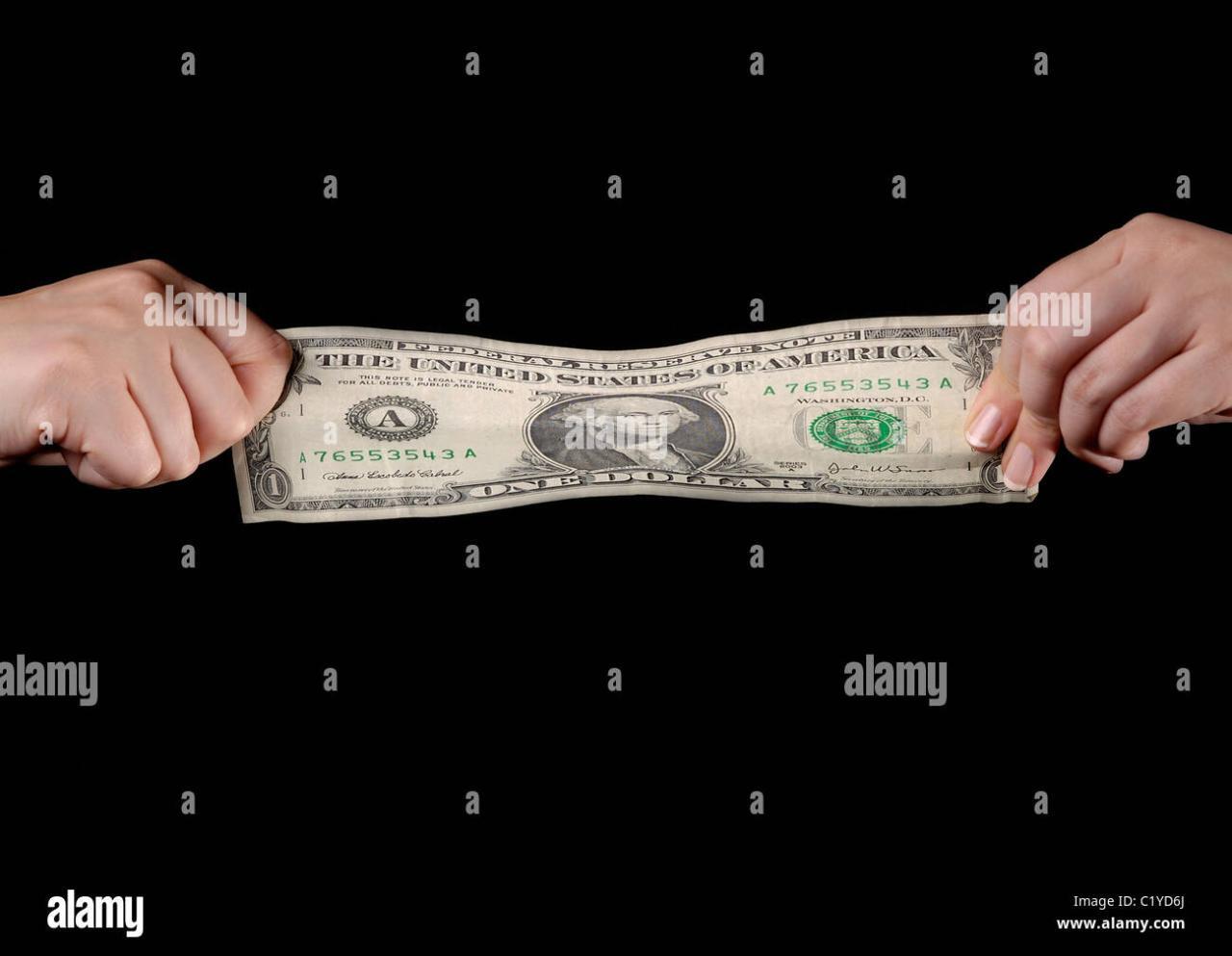
Mastering the art of levitating a dollar bill between your hands requires dedication, focus, and a structured approach to practice. Like any skill, the key to performing this trick successfully lies in the amount of time and effort invested in honing the technique. Regular practice not only builds muscle memory but also enhances your confidence, allowing you to captivate your audience effectively.Establishing a regular practice routine is crucial for improvement.
This routine should include focused sessions where you can work on specific aspects of the levitation technique, allowing for gradual progression. Here are some recommendations for effective practice routines:
Recommended Practice Routines
To optimize your practice sessions, consider incorporating the following elements into your routine:
- Warm-Up Exercises: Begin each session with finger and hand exercises to increase dexterity and reduce strain.
- Technique Drills: Spend dedicated time perfecting the fundamental movements necessary for the levitation trick, breaking down the motions into smaller components.
- Mirror Practice: Utilize a mirror to observe your hand movements and body posture, making necessary adjustments to enhance the visual impact of the trick.
- Performance Simulation: Once comfortable with the technique, simulate a performance environment by practicing in front of friends or family to create a more authentic experience.
- Video Recording: Record your practice sessions to review your performance, allowing you to identify areas requiring improvement.
Milestones are crucial indicators of progress in mastering the levitation trick. Recognizing these milestones can help you gauge your development and maintain motivation throughout your practice journey. Some key milestones to consider include:
Indicators of Proficiency
As you practice, certain achievements will signal that you are becoming proficient in performing the levitation trick:
- Consistent Execution: Being able to perform the levitation trick smoothly and with precision without any noticeable errors indicates a solid grasp of the technique.
- Confidence in Performance: Feeling comfortable and self-assured while executing the trick in front of an audience reflects your growing skill level.
- Positive Audience Reactions: Receiving enthusiastic responses from your audience signifies that your performance is engaging and captivating.
- Ability to Troubleshoot: Being able to identify and correct mistakes during practice or performance showcases a deeper understanding of the mechanics involved.
Incorporating these practice strategies and recognizing milestones in your journey towards mastering the levitation trick will lead to improved performance and a more enjoyable experience for both you and your audience. With dedication and perseverance, your skills will undoubtedly flourish.
Audience Engagement Strategies
Engaging the audience is a critical aspect of successfully performing magic tricks, including the levitation of a dollar bill. The right strategies can create an immersive experience that captivates spectators, enhances their enjoyment, and encourages their participation. By actively involving the audience, a performer can turn a simple trick into a memorable event that resonates long after the performance concludes.One effective way to engage the audience during a levitation performance is through direct interaction.
This involvement can make the performance more dynamic and personal. Techniques such as inviting a spectator on stage or asking for their input during the trick can create a sense of ownership among the audience members. This not only enhances their connection to the performance but also fosters a shared experience.
Strategies for Audience Interaction
Implementing various strategies to interact with the audience can significantly enhance the overall performance. Here are several effective methods:
- Personalized Engagement: Address specific audience members by name or acknowledge their reactions. This creates a more intimate atmosphere and helps to build rapport.
- Involve Spectators: Invite audience members to hold or inspect the dollar bill before the trick. This involvement helps to establish trust and curiosity about the upcoming illusion.
- Encourage Participation: Ask an audience member to assist in the performance, such as holding one end of the dollar bill. This transforms them from a passive observer to an active participant.
- Utilize Humor: Infusing light-hearted jokes or playful banter can relax the audience and make them more receptive to the performance. A well-timed joke can elicit laughter, enhancing the overall atmosphere.
- Solicit Real-time Reactions: Encourage the audience to express their feelings during the trick. Phrases like “What do you think is happening?” or “Can you believe your eyes?” can prompt spontaneous reactions that add to the excitement.
Audience feedback is invaluable for adjusting the performance in real-time. Observing reactions can guide the magician in modifying their approach. For instance, if the audience appears confused, the performer can take a moment to clarify or build suspense. Alternatively, if the audience shows enthusiasm, the performer can amplify their energy level to maintain engagement.
Adapting Performance Based on Audience Response
To maximize engagement, a magician must be adept at reading the audience and adapting their performance accordingly. This adaptability can be achieved through several strategies:
- Read Body Language: Pay attention to the nonverbal cues of the audience. Signs of excitement, confusion, or boredom can indicate how to adjust the delivery or pace of the trick.
- Modify Pacing: If the audience is highly engaged, maintaining a brisk pace may be beneficial. Conversely, slowing down to elaborate on certain aspects can cater to those who need more clarity.
- Change Techniques: If a particular method is not resonating with the audience, consider switching to a different technique or approach that may be more effective in capturing their attention.
- Use Callbacks: Referencing earlier audience interactions or comments can create a sense of continuity in the performance, making spectators feel more connected.
- Gather Feedback: After the performance, seek feedback from audience members to understand what resonated with them. This can inform future performances and help refine engagement strategies.
By implementing these strategies, a magician can effectively engage the audience, transforming a simple magic trick into an unforgettable experience that captivates and entertains.
Resources for Further Learning
Exploring the art of magic demands a commitment to continuous learning and practice. Fortunately, there are abundant resources available for magicians of all levels, from literature and online content to community engagement. These resources not only aid in mastering specific techniques like levitating a dollar bill but also foster a deeper appreciation for the craft of magic.
Books and Videos on Magic Tricks
A wealth of literature and visual content exists to enhance your magical repertoire. These resources provide insights into various techniques, performance styles, and the psychology behind magic.
- The Royal Road to Card Magic by Jean Hugard and Frederick Braue – This classic text covers essential card techniques suitable for beginners and advanced magicians alike.
- Magic: The Complete Course by Joshua Jay – A comprehensive guide that offers step-by-step instructions for a variety of tricks, complete with illustrations and performance tips.
- Magic for Dummies by David Pogue – An accessible introduction to the world of magic, featuring tricks, tips, and performance advice for aspiring magicians.
- Online Video Tutorials – Platforms like YouTube host numerous channels dedicated to magic, where experienced magicians share tutorials and performance strategies, such as “Chris Ramsay” and “Alex Pandrea.”
Online Communities and Forums
Online platforms provide a space for magicians to connect, share ideas, and seek advice. Engaging with these communities can enhance your learning experience significantly.
- The Magic Cafe – A popular forum where magicians discuss various topics related to magic tricks, performance techniques, and the latest news in the magic community.
- Reddit r/Magic – An active subreddit where members share experiences, post tutorials, and discuss all things magical — a great place to seek support and feedback.
- Facebook Groups – Many specialized groups exist, such as “Magic Tricks” and “Magic for Beginners,” providing a space for interaction with fellow enthusiasts.
Local Magic Clubs and Workshops
Joining a local magic club or participating in workshops can provide invaluable hands-on experience and the opportunity to learn from seasoned professionals.
- International Brotherhood of Magicians (IBM) – With local chapters worldwide, joining IBM offers access to resources, networking opportunities, and regular meetings or events.
- The Society of American Magicians (SAM) – Another prestigious organization that hosts local assemblies for members to share their skills and learn from each other.
- Local Workshops and Classes – Many magic shops or community centers offer workshops led by experienced magicians, providing practical instruction and performance opportunities.
Ultimate Conclusion
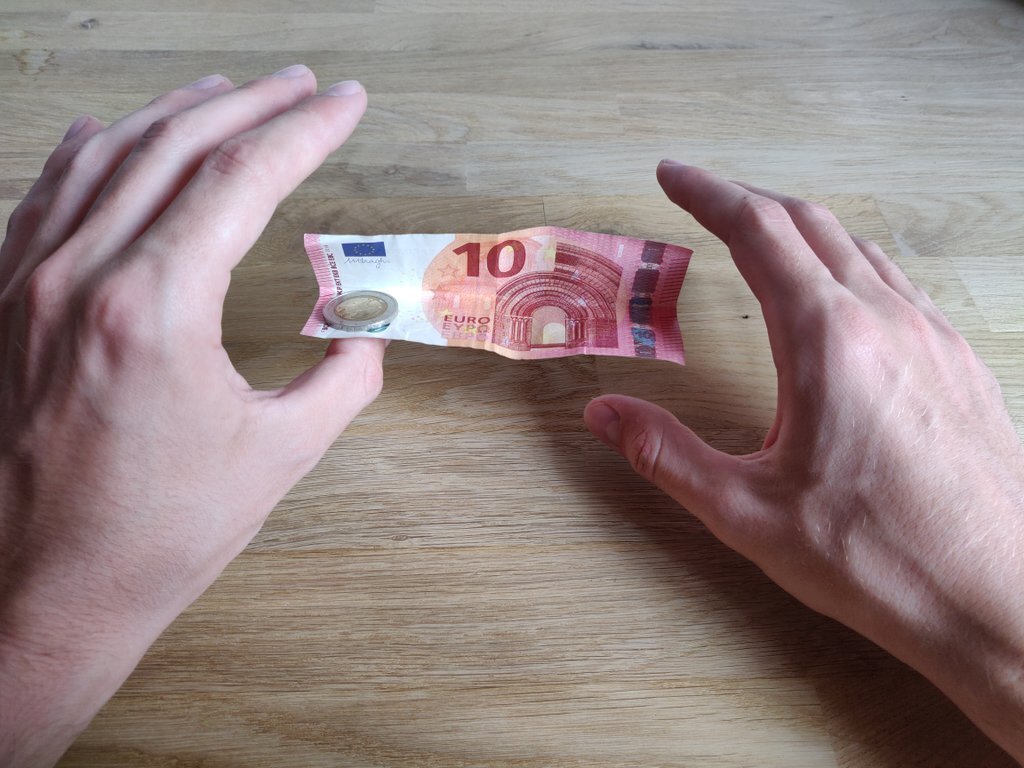
In conclusion, mastering the art of levitating a dollar bill between your hands not only impresses viewers but also cultivates a deeper understanding of the nuances behind magical performances. By integrating the techniques and tips discussed throughout this guide, you can elevate your skills and create memorable experiences for your audience. Whether you are a budding magician or a seasoned performer, the journey of perfecting this trick is sure to be enriching and full of wonder.