How to Untie a Knot in a Rope Instantly opens a gateway to mastering an essential skill that proves invaluable in various situations. Whether you are an avid sailor, a passionate camper, or simply someone who encounters ropes in daily life, knowing how to quickly and effectively untie knots is crucial for both safety and efficiency. From securing a load to setting up a tent, the ability to release a knot promptly can save time and prevent potential accidents.
This guide delves into the significance of knot untying skills, exploring the common knots you may encounter and the methods that can be employed to loosen them. With the right tools and techniques, anyone can become proficient in untying knots, transforming a frustrating challenge into a manageable task.
Importance of Knowing How to Untie a Knot
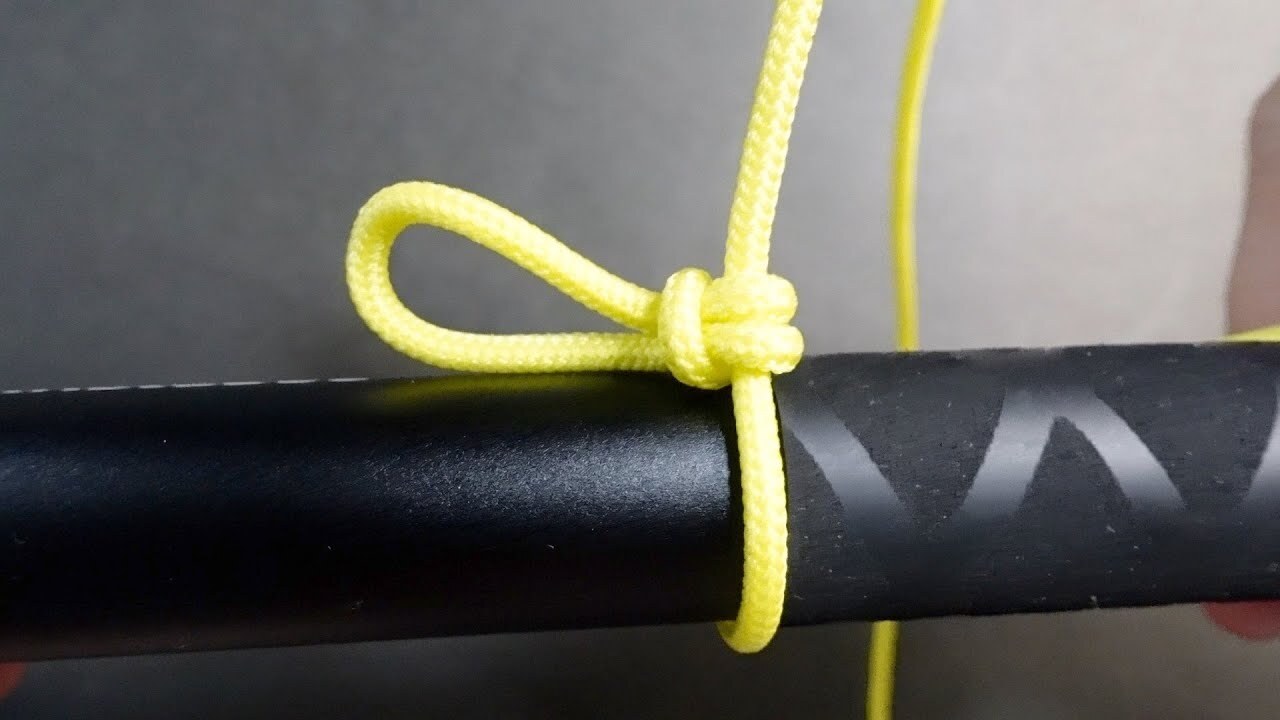
Understanding the art of untying knots is not merely a skill; it is a crucial ability that can significantly enhance safety and efficiency in various situations. The knowledge of how to quickly and effectively untie knots can save time, prevent accidents, and even avert potential disasters. This skill is highly relevant across numerous fields, including maritime activities, climbing, camping, and even everyday tasks around the home.The ability to untie knots swiftly is essential in scenarios where time is of the essence.
For example, in emergency situations such as a person being trapped by a rope or a pet getting caught, a quick untying could be lifesaving. Moreover, in professional settings like fishing or sailing, being able to untie equipment efficiently can mean the difference between success and failure.
Common Types of Knots Encountered in Daily Life
Knots are an integral part of many daily activities, encompassing a wide range of applications from securing objects to decorative purposes. Familiarity with common types of knots can enhance one’s ability to manage various situations effectively. Below are some prevalent knots that individuals may encounter:
- Square Knot: Often used for tying two ropes together; it’s essential for ensuring load stability and is widely used in first aid applications.
- Bowline Knot: Known for creating a fixed loop at the end of a rope, this knot is favored in sailing and rescue operations due to its reliability.
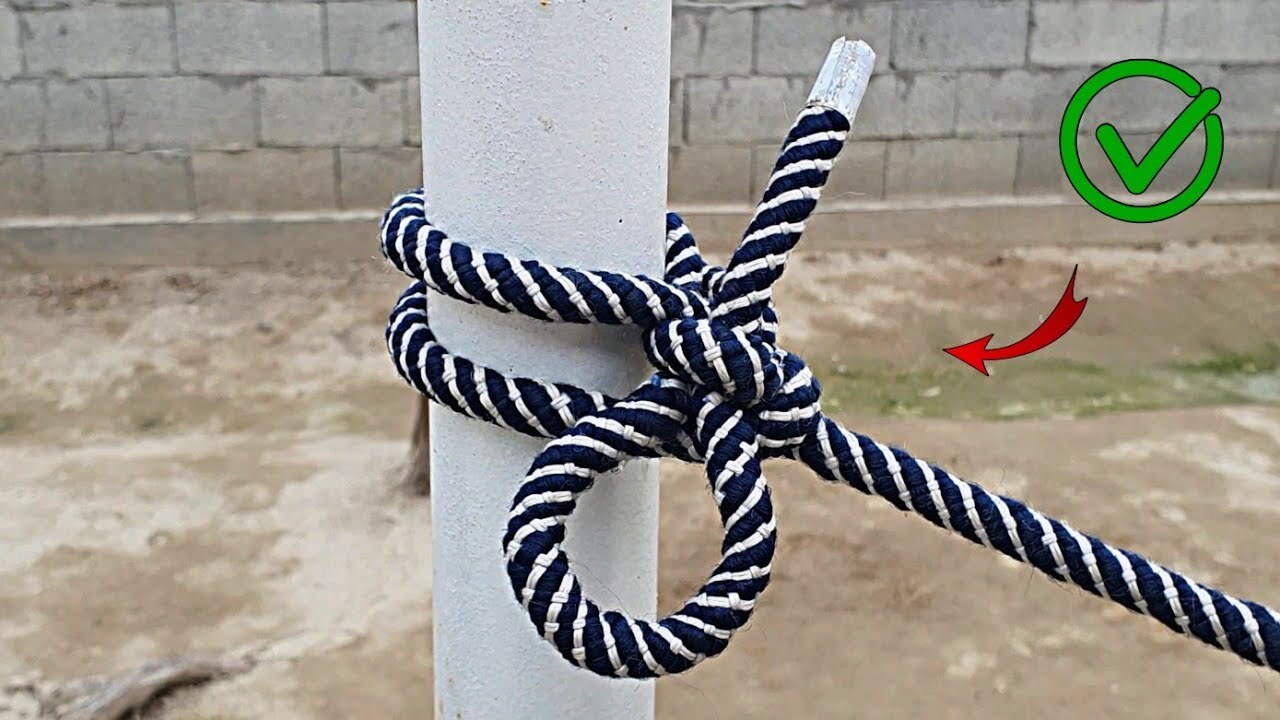
- Clove Hitch: This knot is frequently used for securing a rope to a post or tree and is popular in camping and climbing scenarios.
- Figure-Eight Knot: Commonly used in climbing, it provides a secure tie and is easily untied after bearing weight.
- Slip Knot: This adjustable knot is utilized in various crafts and fishing applications, allowing for quick adjustments and easy release.
Understanding these knots and how to untie them efficiently can prevent potential mishaps. Mastery of knot untying not only aids in personal safety but also contributes to the overall effectiveness of group activities and professional tasks.
Tools and Techniques for Untying Knots
In various applications, knowing how to effectively untie knots can be invaluable, especially in emergencies or when working with outdoor gear. The right tools and techniques can significantly simplify the process of loosening or completely untying a knot, ensuring safety and efficiency. This section will delve into specific tools and methods that can aid in this endeavor.
Effective Tools for Untying Knots
Several tools are available that can assist in the untying of knots, making the process easier and more efficient. Having the right tools at hand can save time and effort, especially when dealing with stubborn knots.
- Needle-nose Pliers: These pliers have a long, tapered nose that allows you to grip and manipulate the knot without damaging the rope. They are particularly useful for pulling tight knots apart.
- Knot-tying Tool: A specialized tool designed for untying knots, these often include hooks or blades to pry apart the knot without excessive force.
- Rope Wrench: This device allows for increased leverage when loosening tight knots, making it easier to apply force without straining your hands.
- Marline Spike: A tool used by sailors, it can be inserted into the knot to create leverage and help loosen it.
Techniques for Loosening Different Types of Knots
Different knots may require specific techniques for effective untying. Understanding the nature of the knot and applying the correct method can make a significant difference.
- For bowline knots, gently pull on the loop while pushing the standing part of the rope toward the knot to loosen it.
- In the case of double knots, you can apply tension to both ends of the rope simultaneously while twisting the knot to help free it.
- For sheet bends, try wiggling the knot while pulling on the standing end of the rope to allow for slight adjustments that can help loosen it.
Step-by-Step Guide Using Needle-nose Pliers
Needle-nose pliers can be an effective tool for untying stubborn knots. Here is a step-by-step guide to using this tool:
- Identify the Knot: Determine the type of knot you are dealing with and assess the tightness.
- Grip the Rope: Use the pliers to grasp the standing part of the rope, applying firm but gentle pressure to avoid damaging the fibers.
- Insert Pliers into the Knot: Carefully slide the tips of the pliers into the knot itself, focusing on the tightest points.
- Twist and Pull: Gently twist the pliers while pulling outward. This action helps in loosening the fibers of the knot.
- Release Tension: Once the knot begins to give way, continue to work the pliers back and forth until the knot is free.
By equipping yourself with the right tools and techniques, you can efficiently tackle various knots, ensuring that you are prepared for any situation that may arise.
Common Types of Knots and Their Characteristics
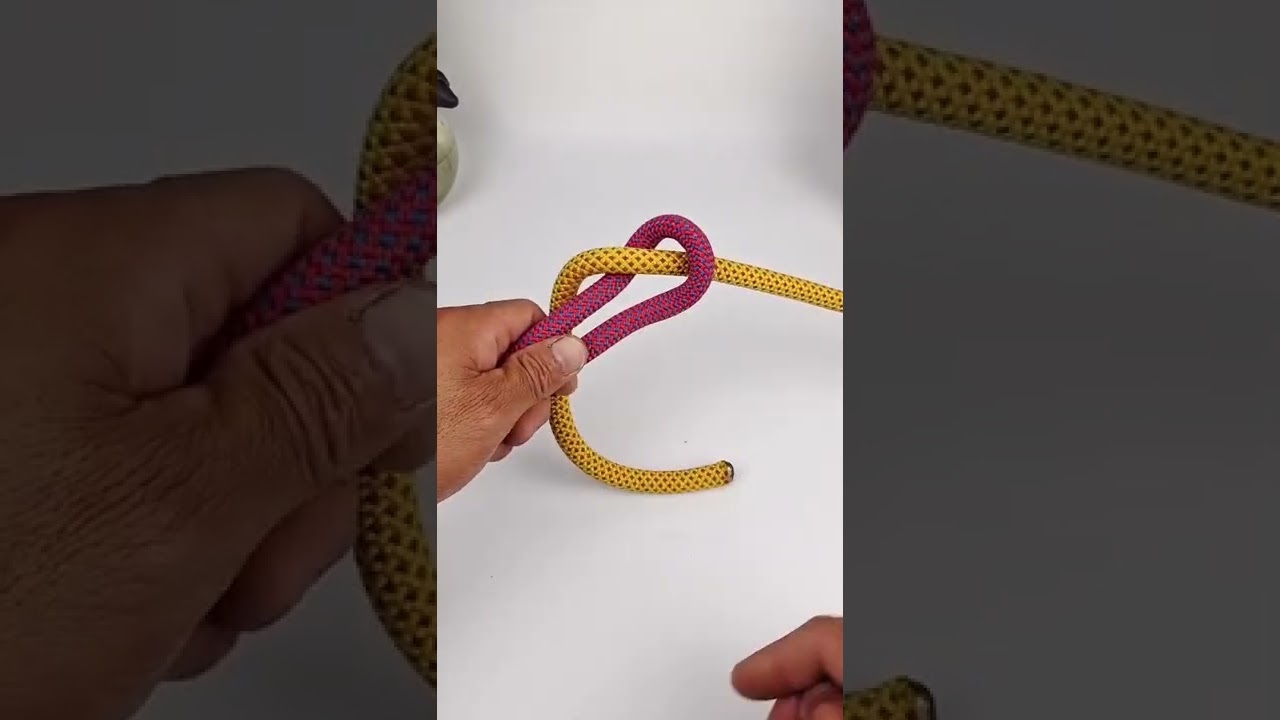
Understanding the various types of knots and their characteristics is essential for anyone working with ropes, whether in outdoor activities, construction, or sailing. Each knot serves a specific purpose and is designed based on its intended use, providing varying levels of security, ease of untying, and strength. Familiarity with these knots can significantly enhance safety and efficiency in practical applications.
Characteristics of Common Knots
In the realm of knot tying, several knots stand out due to their unique features and typical applications. Below is a table that categorizes some common knots alongside their characteristics and common uses.
| Knot Type | Characteristics | Common Uses |
|---|---|---|
| Square Knot | Simple, flat, and reliable for joining two ropes. | Used in first aid and bundling items. |
| Bowline Knot | Creates a fixed loop at the end of a rope; secure and easy to untie. | Often used in sailing and rescue operations. |
| Clove Hitch | Versatile and easy to tie; secures a rope to a post or pole. | Commonly used in camping and securing items. |
| Sheet Bend | Effective for joining two ropes of different diameters. | Ideal for mooring and fishing. |
| Taut-Line Hitch | Adjustable loop suitable for tensioning lines. | Frequently used in tent lines and securing tarps. |
The application of each knot can vary depending on the situation. For instance, the square knot is often used when tying two similar ropes together, while the bowline is favored for its strength and reliability in sailing and rescue scenarios. The clove hitch is preferred when there’s a need to secure a rope temporarily, such as when tying a bundle.
Challenges associated with untying knots can significantly differ based on the type of knot tied. For example, the square knot can become jammed when under significant load, making it difficult to untie. In contrast, the bowline, while secure, can still be undone with relative ease due to its design. Understanding these nuances is critical in ensuring safety and efficiency when working with ropes in various contexts.
Quick Methods to Untie Knots
Knowing how to quickly and effectively untie knots can be a valuable skill in various situations, from sailing to climbing or even everyday tasks. Each method carries its own advantages and disadvantages, making it essential to choose the right one based on the type of knot and the context in which it is tied. Here are some quick methods to untangle knots in ropes, along with their respective pros and cons.
Method 1: Pulling the Knot Apart
This method involves applying force to the two ends of the rope to loosen the knot. It is effective for knots that are not overly tightened.
- Pros: Quick and straightforward; requires no additional tools.
- Cons: Can damage the rope if excessive force is applied; may not work on tight or complex knots.
Example: This method is ideal for untying a simple bowline knot where the tension is relatively low.
Method 2: Using a Lubricant
Applying a small amount of lubricant, such as soap or oil, can help to ease the friction within the knot.
- Pros: Effective for tight knots; reduces the risk of rope damage.
- Cons: May leave residue on the rope; not suitable for all types of materials.
Example: When dealing with a heavy-duty climbing rope that has become knotted after use, applying a bit of soap can make it easier to untie.
Method 3: The ‘Shake and Wiggle’ Technique
This method involves shaking and wiggling the knot gently while applying pressure on the ends of the rope to loosen it.
- Pros: Useful for complex knots; minimizes the risk of damage.
- Cons: Can be time-consuming; may require patience and finesse.
Example: When trying to untie a fishing knot that has become tangled after multiple catches, this technique can help to untangle the lines without causing damage.
Method 4: Using a Knot Untying Tool
Specialized tools such as knot untanglers or hook tools can be effective in disentangling knots without risking damage to the rope.
- Pros: Designed specifically for the task; minimizes risk of injury or damage.
- Cons: Requires carrying an additional tool; not all situations may allow for the use of tools.
Example: When working on a fishing boat where space is limited, having a dedicated knot untangler can save time and effort when dealing with stubborn knots.
Method 5: Reverse the Knot Technique
This method involves retracing the steps of how the knot was tied to effectively reverse it.
- Pros: Can be very effective for specific knots; helps improve knot-tying skills.
- Cons: Requires some knowledge of knot tying; may not work on knots that have been overly tightened.
Example: In sailing, if a square knot is tied improperly, using this method can quickly correct the error without damaging the rope.
Tips and Tricks for Successful Knot Untying
Untangling a knot can often be a frustrating experience, but with the right strategies, it can be accomplished efficiently and effectively. Understanding the various techniques and common pitfalls associated with knot untying can significantly improve your success rate. This section provides valuable tips and tricks that will help streamline the process of untying knots, ensuring you can manage them with confidence and ease.To enhance the efficiency of your knot untying efforts, consider the following recommendations.
These tips are aimed at maximizing your success while minimizing frustration and damage to the rope.
Common Mistakes to Avoid
Being aware of common mistakes can significantly improve your knot untying skills. Here are key pitfalls to avoid:
- Rushing the Process: Attempting to untie the knot too quickly can lead to frustration and potential damage to the rope. Take your time to assess the knot before pulling on it.
- Using Excessive Force: Pulling too hard can tighten the knot further. Gentle manipulation is often more effective.
- Ignoring the Type of Knot: Different knots require different approaches. Familiarize yourself with the specific knot you are dealing with for a more tailored untying strategy.
- Neglecting to Use Tools: Sometimes, using the right tools can simplify the untying process. For instance, a simple knitting needle or a hook can help free the knot without damaging the rope.
- Focusing on One Point: Trying to untie a knot from one end only can lead to complications. Instead, work on loosening the knot from multiple angles.
Understanding these common mistakes allows for more effective knot untying strategies.
Successful Untying Technique Example
One effective technique for untying a complex knot is known as the “pull-and-twist” method. This method can be particularly useful for knots that have tightened due to pressure. Begin by assessing the knot closely to identify the sections that need to be manipulated. Here’s a detailed step-by-step description of the technique:
1. Identify the Knotted Area
Look for the tightest part of the knot and the loose ends. Understanding the structure of the knot is crucial.
2. Loosen the Knot
Gently squeeze and pull the rope near the knot to create slack. This will make it easier to work with the knot without applying excessive force.
3. Twist the Rope
Use your fingers to twist the sections of the knot in opposite directions. This action helps to separate the strands that may be stuck together.
4. Pull the Ends
Once the knot has loosened, pull on the ends of the rope gently while continuing to manipulate the knotted area. This dual motion helps to further free the knot.
5. Repeat as Necessary
If the knot remains tight, repeat the twist and pull process until the knot is fully untied.For illustration, imagine a complex overhand knot resembling a tangled ball of yarn. By following the pull-and-twist method, the loose strands can gradually be separated, revealing the original sections of rope without damage.Employing these tips and techniques not only enhances your ability to handle knots effectively but also builds your confidence in dealing with challenging situations involving rope work.
Safety Precautions When Untying Knots
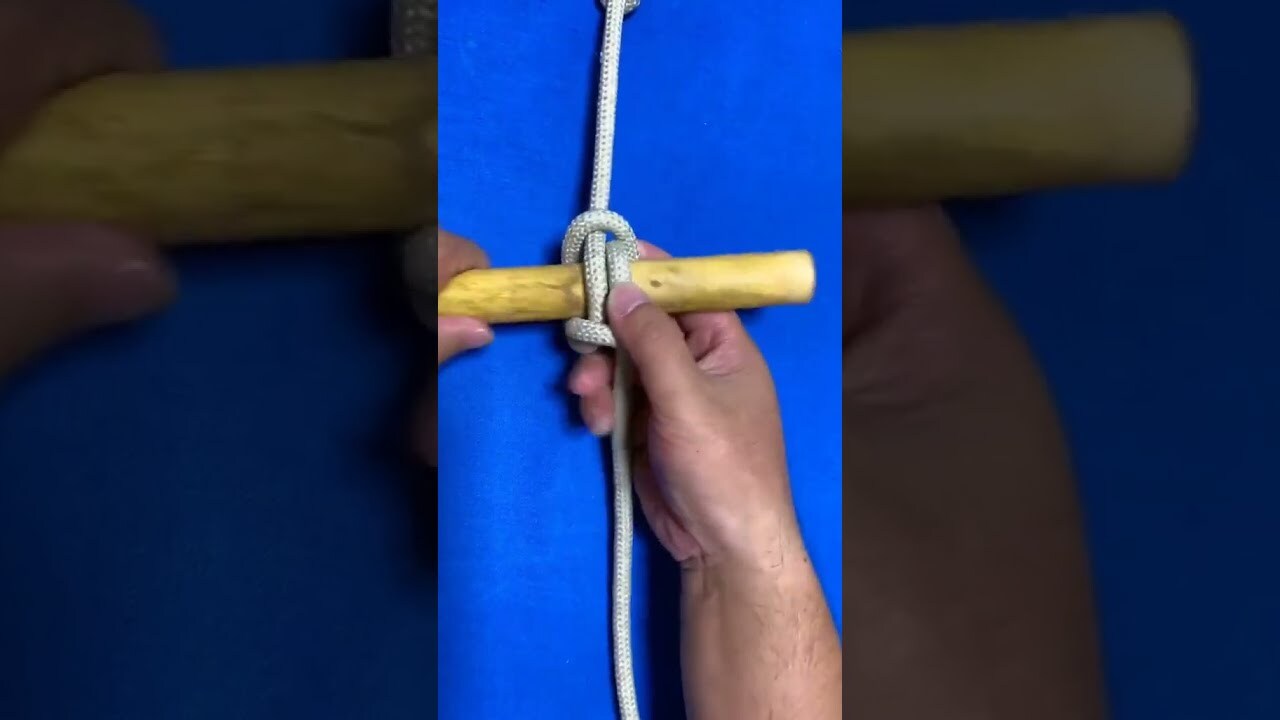
Ensuring safety while untying knots is critical, particularly in environments where ropes are used for securing loads or for climbing. Ropes under tension can pose significant risks, including sudden release or slippage that may lead to injury. Taking proper precautions can mitigate these risks and promote a safer working environment.Improper techniques for untying knots may lead to accidents, such as falling objects or personal injury.
It is essential to recognize the potential dangers involved and to apply effective methods to safely manage knots. The following points Artikel key safety measures and considerations to keep in mind when working with ropes and knots.
Safety Measures for Knot Untying Activities
Understanding and adhering to a set of safety precautions can significantly reduce the chances of accidents. The following checklist Artikels essential safety measures to consider before engaging in any knot-related activities:
- Always wear appropriate personal protective equipment (PPE), such as gloves and helmets, to protect against injuries.
- Inspect ropes and knots thoroughly for wear or damage before attempting to untie them.
- Ensure that the rope is not under tension; if it is, take steps to relieve the tension before untying.
- Communicate clearly with team members to ensure everyone is aware of the untying activity to prevent accidents.
- Use a stable surface or anchor point when working with ropes to maintain control during the untying process.
- Keep hands and body clear of potential pinch points while untying knots.
- Practice proper knot untying techniques to minimize strain on both the rope and the individual.
“Safety is not just a set of rules; it is a culture that must be adopted in all practices involving ropes and knots.”
Implementing these safety measures is vital in ensuring a safe and efficient process when untying knots, thereby reducing the likelihood of incidents that could harm individuals or damage property. Understanding the implications of improper techniques can further reinforce the importance of these precautions in everyday knot-related tasks.
Closing Notes
In conclusion, mastering the art of untying knots not only enhances your safety but also equips you with practical skills that can be applied in various scenarios. By understanding the different types of knots, employing effective techniques, and practicing regularly, you can ensure that you are well-prepared for any situation that requires quick knot untying. Remember, the key to success lies in practice and awareness of safety precautions, transforming you into a capable individual ready to tackle any knot-related challenge with confidence.