How to Seemingly Memorize an Entire Magazine Page sets the stage for this enthralling narrative, offering readers a glimpse into a story that is rich in detail and brimming with originality from the outset. This guide presents various techniques and strategies designed to enhance memory retention, making the seemingly daunting task of memorizing an entire magazine page both manageable and enjoyable.
By exploring effective memorization methods, understanding the content structure, and utilizing active engagement strategies, readers will find themselves well-equipped to tackle any magazine article. The combination of practical tips and innovative approaches ensures that this discussion remains relevant and accessible to all who wish to improve their memorization skills.
Techniques for Memorization
Memorizing extensive information such as an entire magazine page can seem daunting. However, employing effective memorization techniques can significantly enhance one’s ability to retain and recall information accurately. This section discusses various methods and tools that can facilitate the memorization process.One of the most effective methods for memorization is the use of mnemonic devices. These are tools that help individuals remember information by associating it with familiar concepts.
The brain is better at recalling information that is connected to vivid imagery or emotional experiences. Below are some mnemonic devices that can aid in memorizing information from a magazine page:
Types of Mnemonic Devices
Utilizing mnemonic devices not only simplifies the memorization process but also makes it more engaging. The following list Artikels various types of mnemonic devices that can be beneficial:
- Acrostics: Forming a sentence using the first letters of the items to be remembered. For example, “My Very Educated Mother Just Served Us Noodles” helps to remember the planets in order from the sun.
- Acronyms: Creating a new word using the first letters of a series of words. An example is “HOMES” for the Great Lakes: Huron, Ontario, Michigan, Erie, and Superior.
- Chunking: Breaking down large volumes of information into smaller, more manageable pieces. This method is effective for memorizing numbers or lists.
- Rhymes and Songs: Setting information to a rhythm or melody can enhance retention, as the musical structure aids recall.
- Visual Imagery: Creating a mental image of the information can make it more memorable, especially when the image is vivid or unusual.
The importance of visualization in the memorization process cannot be overstated. Visualizing information allows the brain to encode it more effectively, as it taps into the brain’s preference for images over words. To apply visualization techniques to memorize magazine content, consider the following strategies:
Applying Visualization Techniques
By leveraging visualization, individuals can create strong mental associations that enhance memory retention. Here are steps to effectively apply visualization to magazine content:
- Identify Key Themes: Before reading the magazine page, skim through to identify the main themes or topics, allowing you to focus your visualization efforts.
- Create Mental Images: As you read, form vivid mental images related to the content. For instance, if the article discusses a specific destination, visualize its landscape, people, and culture.
- Use Color and Detail: Add colors and intricate details to your mental images to enhance their memorability. The more unique the image, the easier it is to recall.
- Link Information: Connect new information with existing knowledge by creating stories or scenarios that incorporate both. This technique enhances recall by anchoring new concepts to familiar ones.
- Practice Retrieval: After visualizing, periodically test your memory by recalling the images and associated information without looking at the magazine.
By implementing these techniques, individuals can effectively enhance their memorization skills and improve their ability to retain the information found within a magazine page.
Understanding the Content
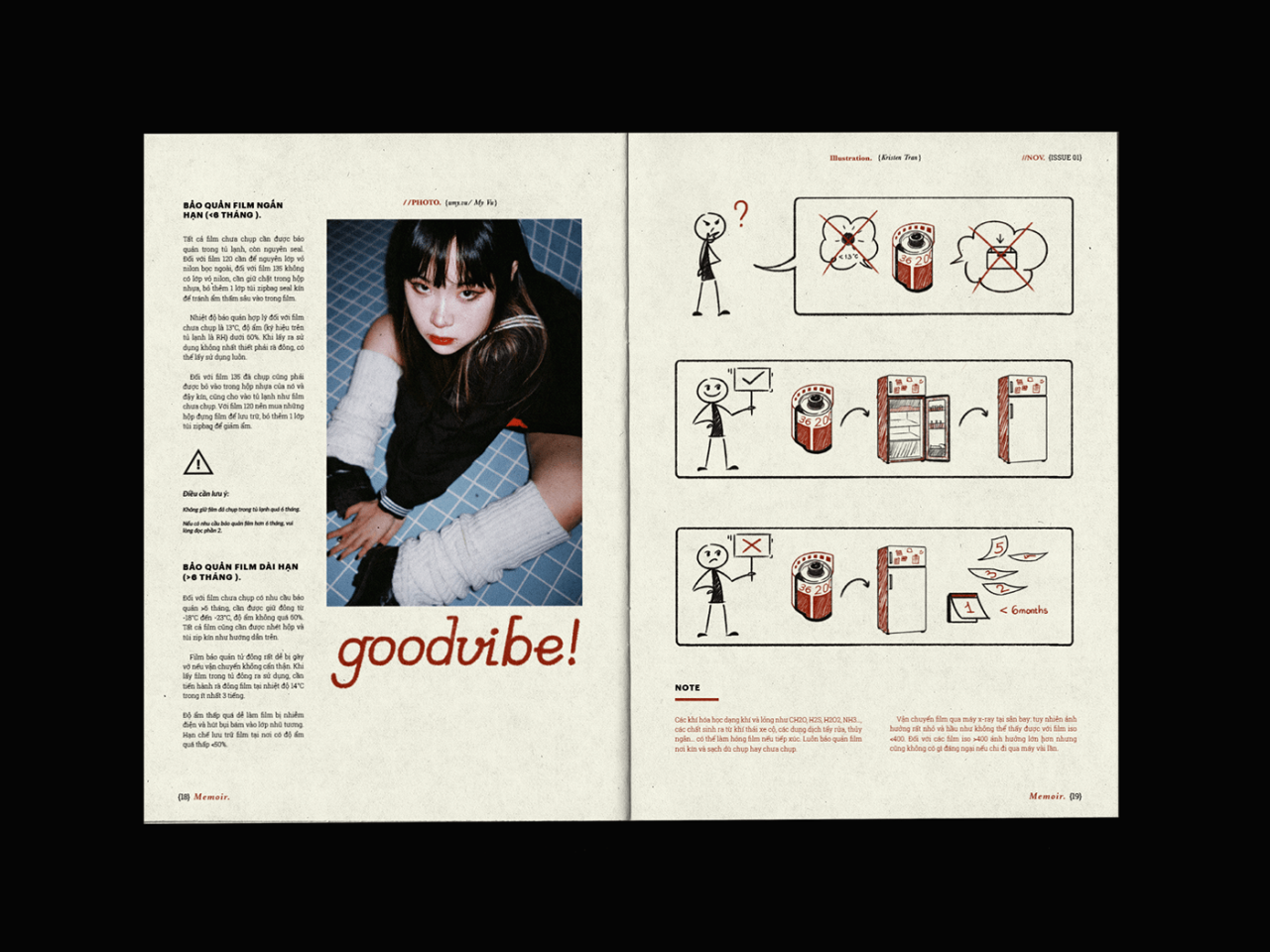
When attempting to memorize an entire magazine page, it is crucial to first comprehend and break down the content into smaller, manageable sections. This approach not only facilitates better retention but also allows for a deeper understanding of the material. By categorizing various aspects of the magazine page, one can enhance their ability to recall information accurately.Breaking down complex information is the first step in effective memorization.
A magazine page typically contains a variety of content types, including articles, photographs, captions, and advertisements. By identifying and segmenting these elements, you can create a structured framework that makes memorization more achievable. Essential components such as headings, subheadings, bullet points, and highlighted quotes serve as markers that guide your memory and provide context.
Key Elements for Memory Retention
Understanding which elements of a magazine page are most critical for memory retention can significantly enhance your memorization efforts. Here are the key components to focus on:
- Headings and Subheadings: These elements provide a clear structure and Artikel of the content, making it easier to remember the main ideas.
- Images and Captions: Visuals often create stronger memory associations than words alone. Pay attention to the images and their accompanying captions, as these can act as mnemonic devices.
- Highlighted Text: Any bold or italicized phrases typically emphasize important points. Remembering these can help you recall larger sections of text.
- Bullet Points and Lists: They break down information into bite-sized pieces, aiding in simplifying complex ideas and making them easier to memorize.
Techniques for Summarizing Articles and Features
Summarization plays a vital role in understanding and memorizing content efficiently. By condensing information, you can focus on key messages and thematic elements. Here are effective techniques for summarizing articles and features from a magazine page:
- Identify the Main Idea: Determine the primary message or argument of the article. This often resides in the introduction or conclusion.
- Extract Supporting Details: Highlight critical points that support the main idea, such as statistics, quotes, or case studies that reinforce the message.
- Paraphrase Key Sections: Rewrite sections in your own words to reinforce understanding while maintaining the original meaning.
- Create a Concept Map: Visually represent the relationships between concepts discussed in the article. This technique enhances comprehension and strengthens memory connections.
“Summarizing not only helps with memory retention but also deepens comprehension, allowing for better recall during later review.”
Active Engagement Strategies
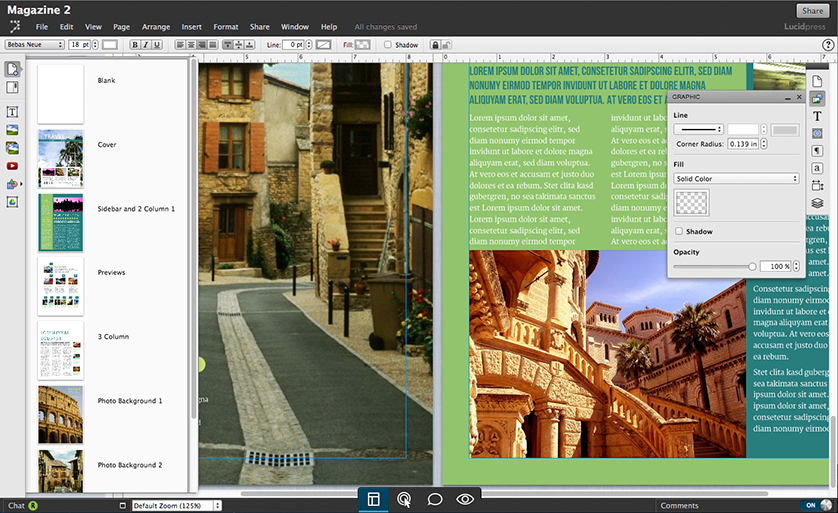
Active engagement with reading materials significantly enhances memorization and understanding. When readers actively interact with the content, they not only absorb information but also create a deeper connection that facilitates long-term recall. This method transforms passive reading into an engaging experience, allowing readers to synthesize information, ask critical questions, and make meaningful connections with the text.
Importance of Active Reading
Active reading is pivotal in enhancing the memorization process as it encourages readers to interact with the material in a purposeful manner. This form of engagement involves strategies that prompt the reader to think critically, ask questions, and reflect on the significance of what is being read. Such interactions can lead to improved comprehension and retention of information. Here are key techniques that support active reading:
- Previewing: Skim the magazine page to get an overview of the content before diving deeper. Look for headings, subheadings, images, and any highlighted terms.
- Highlighting: Use a highlighter to mark key points, phrases, or concepts that stand out. This visual cue helps in recalling information later.
- Note-taking: Write brief notes in the margins or on a separate piece of paper. Summarize paragraphs or jot down questions to ponder later.
- Summarization: After reading a section, pause to summarize what you’ve learned in your own words. This reinforces understanding and retention.
- Visualization: Create mental images or diagrams to connect ideas. Visual representations can significantly aid in memorization.
Step-by-step Guide for Annotating a Magazine Page
Annotating a magazine page effectively enhances recall by allowing readers to interact with the text in a dynamic way. The following steps provide a systematic approach to annotating for improved memorization:
- Read the Entire Page: Begin by reading through the magazine page completely to grasp the overall message.
- Identify Key Concepts: As you read, highlight or underline essential terms, phrases, and statistics that capture the main ideas.
- Add Marginal Notes: Write brief comments in the margins next to significant points. These could be thoughts, questions, or connections to prior knowledge.
- Use Symbols: Develop a system of symbols (e.g., stars for important points or question marks for unclear ideas) to make quick references easier.
- Summarize Each Section: At the end of each paragraph, write a one-sentence summary that captures its essence. This reinforces what has been read.
- Review Your Annotations: After annotating, review the page to reinforce your understanding and strengthen memory pathways.
Role of Discussion and Teaching Others
Engaging in discussions and teaching others about the content are powerful methods for solidifying memorized information. When individuals explain concepts to peers or engage in dialogue surrounding the material, it requires them to articulate their understanding clearly, reinforcing their own knowledge base. This process often involves the following benefits:
- Reinforcement of Knowledge: Explaining content to others forces deeper processing of the material, leading to greater retention.
- Clarification of Understanding: Responding to questions or addressing misunderstandings can clarify one’s own grasp of the subject matter.
- New Perspectives: Discussions with others may introduce new ideas or interpretations, expanding one’s comprehension and enhancing memory.
- Social Interaction: Engaging with peers fosters a collaborative learning environment, making the learning experience more enjoyable and effective.
“Teaching others is the highest form of understanding.”
Joseph Joubert
Practice and Repetition
The process of memorization is significantly enhanced through consistent practice and repetition. Engaging with the material multiple times allows the brain to solidify connections, making recall easier and more efficient. This section explores the significance of spaced repetition, Artikels an effective review schedule, and compares various practice techniques to optimize memorization.
Significance of Spaced Repetition
Spaced repetition is a learning technique that involves reviewing information at strategically spaced intervals, rather than cramming all at once. This method is grounded in the psychological spacing effect, which suggests that information is better retained when it is encountered multiple times over increasing intervals. The effectiveness of spaced repetition can be attributed to its ability to reinforce memory pathways, making retrieval easier over time.
Research indicates that spreading out study sessions can improve long-term retention compared to massed practice. As learners engage with material in multiple sessions, they encounter the content in different contexts, which aids in deeper understanding and recall.
Scheduling Regular Reviews
Establishing a regular review schedule is crucial for solidifying the memorization of a magazine page. A systematic approach ensures that the material is revisited promptly, reinforcing memory retention. An effective schedule for spaced repetition might look like this:
- Initial Review: Immediately after memorization.
- Second Review: 1 day later.
- Third Review: 1 week later.
- Fourth Review: 1 month later.
- Fifth Review: 3 months later.
This approach allows the learner to revisit the material at intervals that maximize retention, ensuring that the information is not easily forgotten.
Comparison of Practice Techniques
Different practice techniques yield varying levels of effectiveness in memorization. Understanding these techniques can help learners choose the most suitable ones for their study methods. Below is a comparison of popular techniques:
- Active Recall: Involves retrieving information from memory without cues. This method has been shown to significantly enhance memory retention compared to passive review methods.
- Spaced Repetition: As previously discussed, this technique helps reinforce learning over time and is particularly effective for long-term retention.
- Interleaved Practice: Involves mixing different topics or subjects during study sessions. This method challenges the learner to adapt and apply their knowledge in varied contexts, promoting better retention.
- Mind Mapping: This visual technique helps organize information and create connections between concepts. It can be particularly useful for visual learners.
Each of these techniques can be tailored to individual learning styles and preferences, allowing for more effective memorization. By experimenting with different methods, learners can discover the strategies that work best for them, ultimately enhancing their ability to memorize magazine pages effectively.
Memory Tricks and Tips
Memorizing an entire page from a magazine can be a formidable challenge, but with the right memory tricks and tips, this task can become significantly easier. By employing various techniques, one can enhance retention and recall, leading to a more effective memorization process. The following suggestions serve as practical tools to improve memory, particularly for magazine articles, which often contain rich visual and textual content.
Quick Memory Tricks Specific to Magazine Articles
Utilizing specific memory tricks can greatly enhance one’s ability to recall information from magazine pages. The following list provides effective strategies tailored for this purpose:
- Chunking Information: Break down the text into smaller, manageable sections. For example, separate the article into paragraphs or key points to facilitate easier memorization.
- Visual Imagery: Create vivid mental images of the content. Relating the ideas within the text to specific images can anchor the information in your memory.
- Mind Mapping: Draw a mind map of the article’s main themes and supporting ideas. This visual representation can create connections that aid in recall.
- Use Mnemonics: Develop acronyms or phrases that summarize key points. For instance, turning a list of items into a memorable phrase can make it easier to remember.
- Rhymes and Rhythm: Putting information into a rhythmic format or rhyme can enhance memorability, as the auditory pattern can aid recall.
Personal Anecdotes of Successful Memorization
Many individuals have achieved remarkable success in memorization through the application of various techniques. For instance, a college student named Sarah effectively memorized entire pages of her psychology textbook by utilizing visual imagery and chunking. She reported that associating complex theories with visual metaphors allowed her to recall intricate details during exams. Another example is a businessman who mastered the art of memorization through regular practice of mind mapping.
He was able to remember key data points discussed in meetings, which resulted in improved decision-making and presentation skills.
Sensory Engagement Techniques for Visual Content
Engaging multiple senses can significantly enhance memory retention, particularly when dealing with visual content in magazines. Utilizing sensory engagement techniques, individuals can create more vivid memories. Here are some effective methods:
- Color Association: Link colors in images or text to specific concepts or ideas. For example, if an article features a blue background, associate that color with a particular theme discussed.
- Texture Exploration: If available, touch the materials of the magazine or associated items that relate to the content. This tactile experience forms a stronger memory connection.
- Auditory Cues: Read the articles aloud or listen to related audio content while reviewing the text. The combination of auditory and visual inputs can enhance retention.
- Emotional Connections: Relate the content to personal experiences or emotions. When the information resonates emotionally, it becomes easier to remember.
Environmental Factors
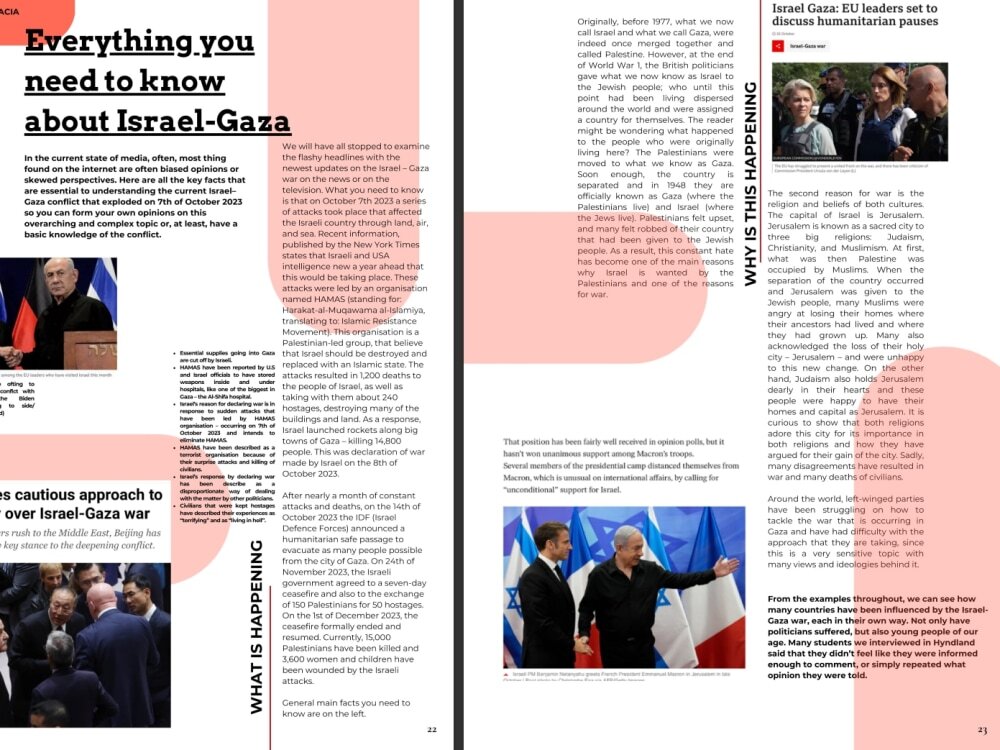
The environment in which one reads can significantly influence memory retention and concentration levels. Factors such as lighting, noise, and overall comfort play essential roles in enhancing or hindering the memorization process. Creating an optimal reading space tailored to individual preferences can lead to improved focus and better recall of information.An organized and conducive environment can foster effective memorization by minimizing distractions and enhancing concentration.
Proper lighting, comfortable seating, and a tidy workspace can create an atmosphere that promotes learning. Conversely, cluttered spaces or areas filled with noise can negatively impact one’s ability to focus, thereby affecting memory retention.
Creating an Optimal Reading Space
To enhance the memorization process, it is crucial to design a reading space that aligns with one’s preferences and needs. Here are key considerations for establishing an ideal environment:
Lighting
Ensure adequate lighting, preferably natural light, to reduce eye strain. Soft, warm lighting can create a calming atmosphere conducive to concentration.
Seating
Choose a comfortable chair that supports good posture. The right seating can prevent fatigue and distractions caused by discomfort.
Minimal Distractions
Select a quiet location, free from background noise. Consider using noise-canceling headphones or soft instrumental music to further minimize interruptions.
Organization
Keep the reading area tidy, with essential materials within reach. A clutter-free environment can help maintain focus and reduce the cognitive load during memorization.
Personalization
Incorporate elements that inspire motivation, such as motivational quotes or personal achievements displayed in the reading space.
Distractions to Avoid
Identifying and minimizing distractions is crucial when attempting to memorize content from a magazine. Here are common distractions to be aware of:
Electronic Devices
Notifications from smartphones, tablets, or computers can divert attention and disrupt concentration. It is advisable to silence or turn off devices while reading.
Background Noise
Sounds from conversations, music, or television can interfere with focus. Opt for a quiet environment or use white noise to mask disruptive sounds.
Visual Clutter
Distracting visuals in the reading environment, such as unorganized papers or unrelated items, can shift focus away from the material. Ensure that the space is neat and solely dedicated to reading.
Inconsistent Temperature
An overly hot or cold environment can lead to discomfort, making concentration difficult. Maintaining a comfortable room temperature is essential for prolonged reading sessions.
Creating a conducive reading environment can significantly enhance memory retention and concentration levels, leading to more effective learning experiences.
Tools and Resources for Memorization
Memorizing content from magazines can be significantly enhanced through various tools and resources designed for organization and retention. The right applications and methods not only simplify the memorization process but also engage users in a more profound manner. Utilizing technology to aid memory can lead to improved recall and understanding of the material read.
Apps and Tools for Memorization
Numerous applications and tools are available that can assist in memorization and the organization of magazine content. These tools incorporate various features that cater to different learning styles, thereby enhancing the memorization process. The following list Artikels some of the most effective resources:
- Anki: A flashcard app that uses spaced repetition, Anki helps users memorize information efficiently by scheduling reviews of cards just as they are about to forget them.
- Quizlet: This app allows users to create flashcards and quizzes, facilitating interactive learning and memorization through game-like study sessions.
- Evernote: A versatile note-taking app that enables users to organize magazine articles, add annotations, and integrate images, all of which can aid memorization.
- Memrise: Focused on language learning and general knowledge, Memrise employs mnemonic techniques and spaced repetition to reinforce memory retention.
- Microsoft OneNote: A comprehensive tool for note-taking that allows users to capture and organize content from magazines, facilitating review and memorization.
Digital Formats of Magazines for Enhanced Memorization
Utilizing digital formats of magazines can significantly improve the memorization process. Digital magazines often include interactive elements and multimedia, which can enhance understanding and retention. Here are effective methods to utilize these formats:
- Highlighting and Annotating: Many digital magazine readers allow users to highlight important text and add annotations, making it easier to focus on key points during review.
- Bookmarking Tools: Using digital bookmarks helps in quickly locating sections of interest for further study, enabling users to concentrate their memorization efforts.
- Interactive Features: Engaging with videos, quizzes, and interactive graphics within digital magazines can create a more vivid learning experience, aiding memory retention.
- Audio Narration: Some digital formats offer audio narration of articles, allowing users to listen while reading, which can reinforce memory through dual coding.
Benefits of Audio Resources for Reinforcing Memory
Audio resources serve as supplementary tools that can considerably bolster the memorization of written content. The auditory engagement provided by audio materials can enhance understanding and retention. Notable advantages include:
- Multi-Sensory Learning: Listening to audio while reading engages multiple senses, which can lead to better memory encoding and retrieval.
- Reinforcement of Content: Audio resources, such as podcasts or audiobooks based on magazine articles, allow for repeated exposure to the material, reinforcing memory through repetition.
- Convenience: Audio formats can be consumed anywhere, making it easier to integrate learning into daily routines, thereby maximizing opportunities for memorization.
- Improved Comprehension: Hearing the tone and emphasis used by narrators can provide additional context, enhancing comprehension and retention of complex topics.
Final Summary
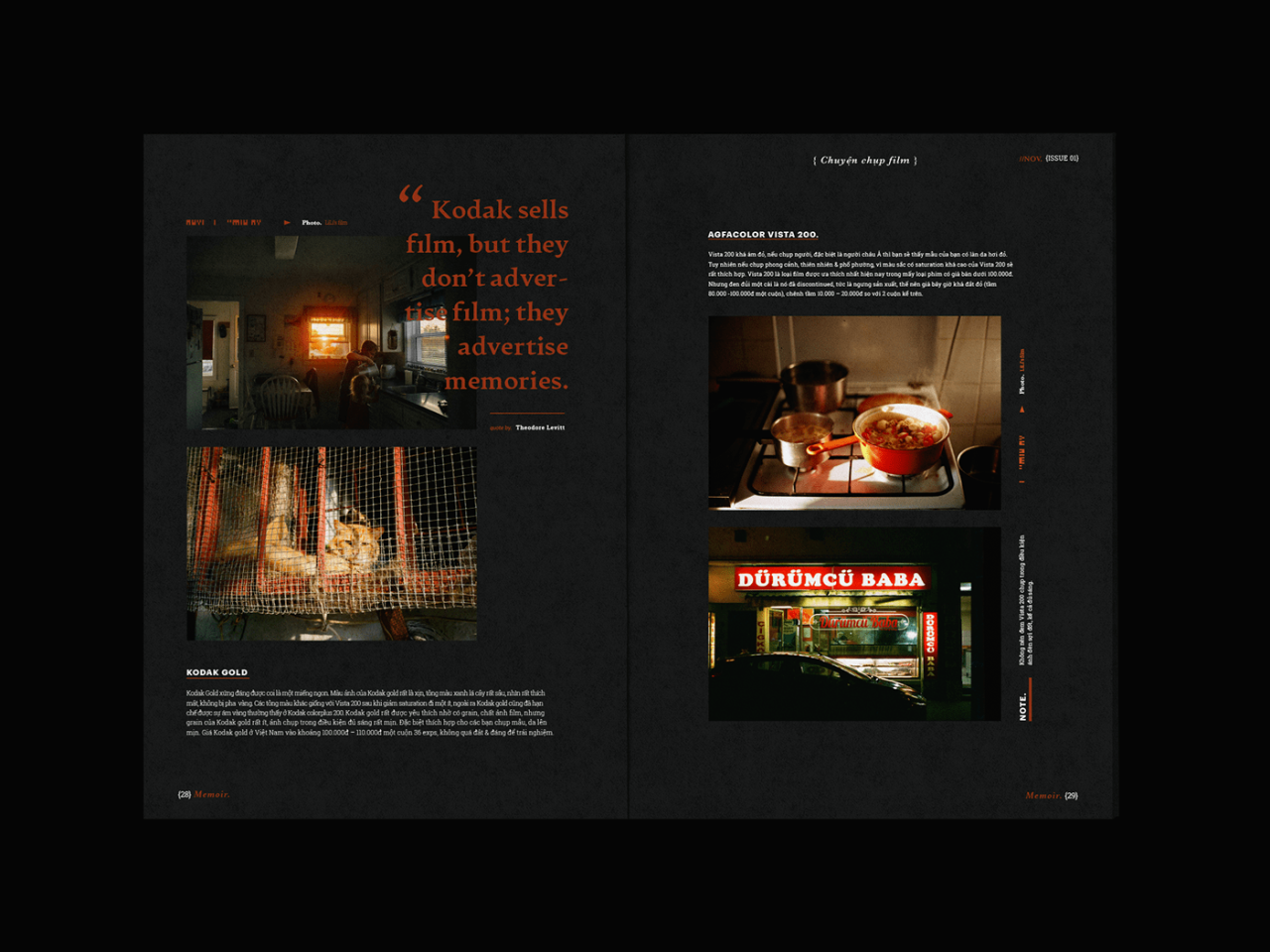
In conclusion, mastering the art of memorizing an entire magazine page is not only achievable but can also be a rewarding experience. By employing the strategies discussed, from mnemonic devices to environmental adjustments, individuals will discover new ways to absorb and retain information effectively. Embracing these techniques will not only enhance memory but also foster a deeper appreciation for the content presented in magazines.