As How to Always Win a Game of Rock, Paper, Scissors takes center stage, this opening passage beckons readers into a fascinating exploration of an age-old game that blends chance with strategy. This deceptively simple game has origins that trace back centuries and transcends cultures, revealing its significance in both casual play and serious competition. From understanding its basic rules to the intricate psychological layers that dictate choices, this guide aims to equip you with the insight needed to master this game.
Delving into various strategies and psychological tactics, we will uncover how to identify patterns in your opponent’s behavior and develop a winning strategy that integrates unpredictability and misdirection. Whether you are looking to refine your skills or explore the broader applications of Rock, Paper, Scissors in negotiations or team-building, this guide promises to elevate your gameplay to new heights.
Introduction to Rock, Paper, Scissors

Rock, Paper, Scissors is a simple yet universally recognized hand game that has entertained people across generations. Often played as a decision-making tool or a casual competition, its appeal lies in the blend of chance and psychology. The game serves as a fascinating entry point into the realms of strategy and social interaction.The origins of Rock, Paper, Scissors can be traced back to ancient China, where it was known as “shoushiling” during the Han Dynasty (approximately 206 BC to 220 AD).
It later spread to Japan, where it became known as “jan-ken.” The game’s structure, where each choice beats one option while being beaten by another, embodies the cyclical nature of competition. Over centuries, variations of the game have emerged in different cultures, reflecting regional influences and adaptations. For instance, in Brazil, a similar game called “pedra, papel e tesoura” is commonly played, while in the United States, it has evolved into a popular strategy game often used to resolve disputes among friends or during sports events.
Basic Rules and Mechanics
Understanding the fundamental rules and mechanics of Rock, Paper, Scissors is crucial for both casual players and those interested in strategic mastery. The game is played between two individuals, where each player simultaneously forms one of three hand signs representing rock, paper, or scissors. The outcomes are determined based on the following interactions:
- RockScissors : Rock wins against scissors as a representation of strength overpowering sharpness.
- ScissorsPaper : Scissors triumphs over paper, symbolizing the ability to puncture and defeat.
- PaperRock : Paper envelops rock, illustrating the concept of submission through coverage.
Each of these interactions establishes a hierarchy among the options, creating a balanced game where no single choice is dominant. Players often engage in psychological strategies, attempting to predict their opponent’s next move based on previous patterns or trends. The simplicity of the rules, combined with the complexity of psychological tactics, contributes to the game’s enduring popularity.
“Rock, Paper, Scissors is more than a game of chance; it is a fascinating study of human behavior and decision-making.”
Understanding the Psychology Behind the Game

In the seemingly simple game of Rock, Paper, Scissors, players often engage in a complex interplay of strategy and psychology. Understanding these dynamics can significantly enhance one’s ability to predict and counteract an opponent’s choices. This section explores the common strategies utilized by players, the psychological tactics that influence decision-making, and the emotional factors that can sway outcomes.
Common Strategies Players Use
Players often rely on established strategies to increase their chances of winning. These strategies can be categorized as follows:
- Pattern Recognition: Many players unconsciously fall into patterns. Recognizing these can provide a competitive edge. For instance, a player who starts with “rock” might be more likely to switch to “paper” in the subsequent round.
- Randomization: To avoid predictability, some players choose their moves randomly. This strategy is effective as it makes it difficult for opponents to anticipate their next choice.
- Psychological Manipulation: Experienced players may use reverse psychology, feigning confidence in their choices to lead opponents to make mistakes.
Psychological Tactics Influencing Choices
The psychology of Rock, Paper, Scissors involves various tactics that can sway an opponent’s decisions. Understanding these can enhance one’s game:
- First Move Bias: Players often believe that their first move is crucial, leading them to rely on their gut feelings. This can result in predictable outcomes.
- Pressure and Stress: High-stakes situations may induce anxiety, causing players to revert to less strategic choices, such as frequently played moves.
- Expectation Management: Players may alter their choices based on what they believe their opponent expects. For example, if a player thinks their opponent will choose “rock,” they might opt for “paper” to counter this expectation.
Emotional Factors Affecting Decision-Making
Emotions play a significant role in decision-making during Rock, Paper, Scissors. Various emotional states can influence players’ choices, often detrimentally:
- Confidence: A player who feels overconfident may become predictable, leading to a downfall if their opponent capitalizes on this predictability.
- Frustration: If a player experiences a string of losses, they may make impulsive decisions driven by frustration, abandoning strategic thinking.
- Excitement: An overly excited player may become reckless, disregarding tactics in favor of instinctual choices.
Understanding the psychological dynamics of Rock, Paper, Scissors not only enriches the gameplay experience but also enhances one’s strategic capabilities in various competitive situations.
Identifying Patterns in Opponent Behavior
In the game of Rock, Paper, Scissors, understanding and anticipating your opponent’s choices is pivotal to improving your winning chances. By carefully observing and analyzing an opponent’s previous selections, players can identify recurring patterns that can be exploited in future rounds. This section delves into the methods for recognizing these behavioral trends and offers insights into effective counter-strategies.Analyzing an opponent’s behavior involves keen observation and strategic thinking.
Players should track the choices made by their opponent over several games. Noting the frequency of each option—rock, paper, or scissors—can reveal tendencies that may not be immediately obvious. For instance, some players may unconsciously favor one option after a loss or switch to a winning choice. Utilizing a systematic approach to gather data will enhance one’s ability to predict future moves.
Methods to Observe and Analyze Choices
To effectively discern patterns in an opponent’s gameplay, it is essential to implement certain strategies. The following methods can aid in recognizing these patterns:
1. Record Keeping
Maintain a log of each choice made by the opponent during the game. This could be as simple as a tally chart or a more sophisticated digital record.
2. Pattern Recognition
Look for sequences in choices. For example, if the opponent has played rock twice followed by paper, they may be likely to switch to scissors next.
3. Psychological Analysis
Consider the opponent’s emotional state. Players often switch strategies based on their feelings, such as frustration after losing. Recognizing this can provide an edge.
4. Statistical Analysis
Evaluate the choice distribution using percentage metrics. A player who tends to choose rock 60% of the time may be predictable.
5. Game Theory Applications
Utilize principles from game theory to predict moves based on rational choices. Understanding that players often default to a “safe” choice can help in formulating your strategy.The following table illustrates potential patterns that can be identified and the corresponding strategies to counter them:
| Observed Pattern | Counter-Strategy |
|---|---|
| Opponent favors Rock | Play Paper |
| Frequent alternation between Paper and Scissors | Play Rock |
| Consistent follow-through after a loss | Expect a switch and counter accordingly |
| Repeats the last winning choice | Choose the option that beats their last choice |
Examples of Successful Players
Several renowned players have mastered the art of reading their opponents in Rock, Paper, Scissors. For instance, professional player Dan “The Man” McKinnon is known for his exceptional ability to analyze opponents’ past moves and adjust his strategy accordingly, often securing victories in competitive tournaments. Similarly, Jennifer “The Rock Star” Egan has gained acclaim for her psychological insights, managing to predict her opponents’ choices by closely observing their body language and reactions during gameplay.
These examples underscore the effectiveness of understanding opponent behavior in enhancing performance in Rock, Paper, Scissors.
Developing Your Winning Strategy
Creating a winning strategy in Rock, Paper, Scissors involves more than just random choice; it requires an understanding of both your own tendencies and those of your opponent. By employing a systematic approach, you can increase your chances of success in this deceptively simple game. This section will explore a multi-step approach to consistently choosing winning moves, the significance of unpredictability, and insights on bluffing and misdirection.Understanding how to develop a winning strategy is crucial for maintaining an edge over your opponent.
By recognizing patterns and implementing emotional tactics, you can enhance your gameplay. A robust strategy encompasses both logical decision-making and the ability to adapt to the actions of others. As you engage in each round, consider these strategic elements to elevate your performance.
Multi-Step Approach to Winning Moves
An effective strategy can be broken down into several essential steps:
1. Analyze Previous Games
Review the outcomes of your previous matches to identify any patterns in your opponent’s choices. This analysis provides insights that can inform your future moves.
2. Establish Your Baseline
Start by selecting a base move (Rock, Paper, or Scissors) that you will focus on for the first few rounds. This helps establish a rhythm and allows you to gauge your opponent’s responses.
3. Adjust Based on Opponent’s Moves
After the initial rounds, make calculated adjustments based on your opponent’s tendencies. If they frequently choose Rock, consider utilizing Paper more often in your subsequent selections.
4. Implement a Pattern
Create and follow a specific pattern that you can change after a few rounds. This keeps your opponent on their toes while you maintain control over the game dynamics.Each of these steps contributes to a strategic framework that enhances your decision-making process and elevates your chances of winning.
The Importance of Unpredictability in Gameplay
Maintaining unpredictability is a vital aspect of any successful Rock, Paper, Scissors strategy. Consistently changing your moves can prevent opponents from identifying and exploiting patterns in your gameplay. Here are key points to consider:
Randomization Techniques
Employ techniques such as random number generation or using physical objects to represent your choices. This method helps in avoiding predictable patterns.
Switching Strategies
Regularly switch between playing styles. For instance, if you initially play conservatively, shift to bold moves to confuse your opponent.
Observation of Opponent’s Reactions
Pay attention to how your opponent reacts to specific moves. Their body language or comments may offer clues about their expectations and tendencies.By ensuring your moves remain unpredictable, you hinder your opponent’s ability to anticipate your next choice, consequently increasing your likelihood of winning.
Incorporating Bluffing and Misdirection
Bluffing and misdirection can significantly enhance your Rock, Paper, Scissors strategy by creating ambiguity in your gameplay. Implement the following techniques to effectively integrate these elements:
Feigning Confidence
Display confidence in your chosen move, even if you have doubts. This can lead your opponent to second-guess their choices.
Body Language Manipulation
Use body language to mislead your opponent. For instance, lean towards a particular move while planning to choose another.
Vocal Cues
Utilize verbal communication to suggest that you will play a certain move. Statements like “I always go with Rock” can instill a false sense of security in your opponent.By skillfully applying bluffing and misdirection, you can divert your opponent’s attention away from your true strategy, thus enhancing your chances of securing a win.
Advanced Techniques and Strategies
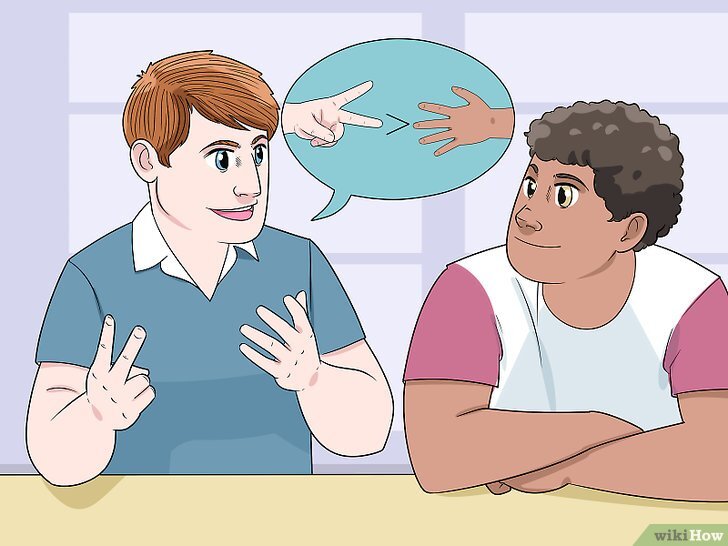
In the realm of Rock, Paper, Scissors, employing advanced techniques and strategies can significantly enhance a player’s chances of winning. These methods often draw upon principles of probability, statistics, and psychology, enabling players to make informed decisions rather than relying solely on intuition.One fundamental approach involves the application of probability and statistics to predict outcomes based on historical data. By analyzing patterns in previous games—both one’s own and those of opponents—players can identify tendencies that can be exploited.
For example, if an opponent frequently starts with “Rock,” a player could anticipate this and begin with “Paper” to increase their winning odds.
Implementing Probability and Statistics
Using probability and statistical analysis, players can improve their outcomes by recognizing trends over time. This involves collecting data from multiple games to find the likelihood of specific moves.For instance, studies have shown that beginners tend to choose “Rock” more frequently as their first move. As such, seasoned players might increase their chances of winning by starting with “Paper.”
“By leveraging statistical trends, players can shift the odds in their favor.”
Comparative Analysis of Advanced Strategies
Various advanced strategies have emerged among seasoned players, each catering to different styles of play. Understanding these strategies helps players adopt or counter them effectively.
1. The Throw History Strategy
This involves tracking an opponent’s previous throws and predicting their next move based on established patterns. Players employ both their memory and observational skills.
2. The Randomizer Approach
Some players intentionally mix their choices to make their patterns unpredictable. This strategy aims to counter the throw history method by making it difficult for opponents to guess.
3. The Psychological Manipulation Technique
This strategy involves using verbal and non-verbal cues to influence an opponent’s choice. For example, a player might feign hesitation to suggest uncertainty, prompting the opponent to switch their anticipated move.Each of these strategies has its own merits, depending on the context and the players involved. Thus, knowing when to leverage each can provide a competitive edge.
Psychological Tricks to Outsmart Opponents
Psychology plays a crucial role in Rock, Paper, Scissors, and certain mental tactics can be employed to gain an advantage. Below are some psychological tricks that can be utilized:Understanding how to manipulate the opponent’s expectations can lead to favorable outcomes. Below is a list of psychological tactics:
Reverse Psychology
Convincing an opponent that you will choose a certain throw, then doing the opposite.
Establishing Patterns
Creating an expectation of predictability, then breaking that pattern to surprise the opponent.
Body Language Cues
Using gestures or facial expressions to mislead opponents about your next move.
Distraction Techniques
Engaging in light conversation to divert the opponent’s attention, potentially skewing their decision-making process.Implementing these psychological strategies can create an environment where opponents may make choices based on misperceptions, thereby enhancing the likelihood of victory.
Practicing and Refining Your Skills
To become a master at Rock, Paper, Scissors, consistent practice and skill refinement are essential. Engaging in regular exercises enhances your decision-making speed and strategic thinking, enabling you to adjust your tactics effectively during gameplay. This section Artikels various exercises, the benefits of playing against different skill levels, and methods to evaluate and adjust your strategy based on game results.
Exercises and Drills to Enhance Decision-Making Speed
Improving your decision-making speed is critical in Rock, Paper, Scissors, where the right choice must be made in a split second. Incorporating specific exercises into your practice routine can significantly impact your performance. Consider the following drills:
- Timed Matches: Engage in matches with a timer set for rapid decisions, allowing only two seconds to make your choice. This helps simulate the pressure of real-time gameplay.
- Mirror Practice: Pair with a partner and mimic each other’s moves. This exercise can enhance your ability to predict your opponent’s choices, sharpening your reaction time.
- Solo Reflection: Use a deck of cards or random objects to represent Rock, Paper, and Scissors. Draw one and decide your choice within three seconds, which will help build your reflexes.
- Online Simulations: Participate in online platforms that offer Rock, Paper, Scissors games against AI or random players. This provides an opportunity for quick decision-making without the pressure of face-to-face interactions.
Benefits of Playing Against Different Skill Levels
Playing against diverse opponents can enhance your adaptability and understanding of various strategies. Competing against players of varying skill levels offers valuable insights and experiences:
- Beginner Level: Playing against novices allows you to practice foundational strategies without the pressure of advanced techniques. This builds confidence and sharpens your basic skills.
- Intermediate Level: Engaging with intermediate players presents a challenge that necessitates a deeper understanding of tactics and psychological elements, fostering growth in your strategic repertoire.
- Advanced Level: Competing against seasoned players exposes you to high-level strategies and psychological gameplay. This experience will compel you to refine your own tactics and learn from the techniques employed by your opponents.
- Mixed Skill Sessions: Organizing practice sessions with players of various skill levels can simulate real-game scenarios, enhancing your ability to adapt your strategy on the fly.
Methods to Evaluate and Adjust Your Strategy Based on Game Results
To continually enhance your performance, it is crucial to evaluate your game results systematically. This analysis allows for informed adjustments to your strategy. Follow these methods to optimize your approach:
- Record Keeping: Maintain a log of your games, noting the outcomes and the choices made. Analyzing this data can reveal patterns in your decision-making and highlight areas for improvement.
- Post-Game Analysis: After matches, assess what worked and what didn’t. Question your strategies based on the results and consider alternative moves that could have been more effective.
- Video Review: If possible, record your gameplay sessions to review later. Watching your matches can help identify unconscious habits or repetitive choices that may be detrimental to your success.
- Feedback Loop: Engage with peers to discuss strategies, share insights, and solicit feedback on your gameplay. Constructive criticism from experienced opponents can provide new perspectives on your approach.
“Success in Rock, Paper, Scissors not only depends on tactics but also on the continuous refinement of skills and strategies through disciplined practice.”
Real-World Applications of Rock, Paper, Scissors
The game of Rock, Paper, Scissors extends beyond mere entertainment; it serves as a valuable tool for honing skills applicable in various real-world scenarios, including negotiations, conflict resolution, and team-building exercises. Understanding the mechanics and psychological underpinnings of the game can enhance one’s approach to interpersonal dynamics in both professional and social contexts.
Application in Negotiations and Conflict Resolution
The skills and strategies derived from Rock, Paper, Scissors can significantly enhance one’s effectiveness in negotiations and conflict resolution. The essence of the game lies in predicting opponents’ choices, a principle that mirrors the dynamics of negotiation where understanding and anticipating the other party’s moves is crucial. In negotiations, employing Rock, Paper, Scissors techniques can facilitate decision-making, particularly in scenarios where compromise is difficult.
When parties are at an impasse, utilizing the game can break stalemates efficiently. The following are noteworthy aspects of this application:
- Expectation Management: By recognizing the psychological tendencies of your opponent, you can tailor your strategy to counter their expectations, fostering a more favorable negotiation environment.
- Encouraging Cooperation: Introducing the game can lighten the atmosphere, encouraging collaboration and reducing tension, ultimately leading to more productive discussions.
- Rapid Decision-Making: In situations where decisions are needed swiftly, Rock, Paper, Scissors offers a fair method of resolution, saving time and resources.
Use in Team-Building Activities
Incorporating Rock, Paper, Scissors into team-building activities fosters camaraderie and teamwork among participants. The game not only serves as an icebreaker but also enhances various skills vital for effective collaboration. Its simple structure allows teams to engage in friendly competition while simultaneously developing essential interpersonal skills.During team-building sessions, Rock, Paper, Scissors can be employed in several ways:
- Promoting Communication: The game encourages participants to discuss strategies and share insights, enhancing communication skills within the team.
- Building Trust: Engaging in a game that relies on chance helps to build trust among team members, as everyone must rely on one another’s integrity.
- Encouraging Strategic Thinking: Participants learn to think critically about their choices and predict the behavior of their teammates, fostering an environment of strategic collaboration.
Insights into Competitive Tournaments and Strategies
Competitive Rock, Paper, Scissors tournaments have gained popularity, showcasing not only skill but also the strategic applications of the game. These tournaments often attract players who employ advanced strategies developed through careful observation and analysis of opponents.Key insights and strategies utilized in competitive play include:
- Pattern Recognition: Successful players observe their opponents’ choices over several rounds, identifying tendencies and predicting future moves based on established patterns.
- Misdirection and Deception: Elite competitors often utilize psychological tactics, such as feigned patterns, to mislead their opponents, creating opportunities for unexpected wins.
- Statistical Analysis: Some players adopt data-driven approaches, employing statistical models to analyze winning probabilities and optimize their strategies accordingly.
Final Conclusion

In conclusion, mastering How to Always Win a Game of Rock, Paper, Scissors requires not only a grasp of the game’s mechanics but also an understanding of the psychology behind player choices. By observing opponents, employing strategic unpredictability, and continuously refining your approach, you can transform from an amateur player into a formidable contender. As you apply these insights, remember that the essence of the game is not just about winning, but also about enjoying the interaction and camaraderie it fosters.