How to Create Your Very Own Magic Trick invites you into the enchanting world of illusion, where creativity meets performance. Magic has captivated audiences for centuries, evolving from ancient rituals to modern spectacles, creating an allure that transcends time. This journey will explore the fundamental elements of magic, inspiring you to unleash your imagination and craft tricks that mesmerize.
By understanding the intricacies of magic tricks—including their historical significance and the essential components that contribute to a successful illusion—you’ll be well-equipped to design and perform your unique creations. From brainstorming original ideas to perfecting the art of performance, this guide serves as your comprehensive resource for becoming a remarkable magician.
Introduction to Magic Tricks

Magic tricks have captivated audiences for centuries, enchanting them with illusions that challenge their understanding of reality. The core appeal of magic lies in its ability to evoke wonder and surprise, allowing spectators to momentarily suspend their disbelief and experience the impossible. From simple sleight-of-hand techniques to grand illusions, magic is an art form that transcends cultural barriers, making it a universally engaging form of entertainment.The history of magic can be traced back to ancient civilizations, where it was often intertwined with religious and spiritual practices.
Over time, magic evolved from these origins into a form of theatrical performance, with magicians adopting various techniques and styles to entertain and mystify audiences. The Renaissance period saw a significant shift, with magic being recognized as a legitimate form of entertainment. The 19th and 20th centuries marked the golden age of magic, introducing iconic figures such as Harry Houdini and David Copperfield, who developed signature tricks that would leave an indelible mark on the craft.
Famous Magicians and Their Signature Tricks
Throughout the history of magic, several magicians have stood out due to their innovative performances and groundbreaking tricks. These individuals not only pushed the boundaries of what was possible in magic but also inspired future generations of performers. Below are notable magicians along with descriptions of their famous tricks:
- Harry Houdini: Known for his incredible escape acts, Houdini’s most famous trick involved escaping from handcuffs while submerged in a water tank. His daring feats captivated audiences and solidified his status as the “King of Escape.”
- David Copperfield: Renowned for his grand illusions, one of Copperfield’s most famous tricks involved making the Statue of Liberty disappear in front of a live audience. This illusion combined elements of storytelling and visual spectacle, showcasing his unique approach to magic.
- Dai Vernon: Often referred to as the “Professor,” Vernon is known for his card tricks and sleight of hand. His most celebrated trick, the “Ambitious Card,” involves a selected card repeatedly rising to the top of the deck, demonstrating mastery of misdirection and technique.
- Penn & Teller: This duo is famous for their unique blend of comedy and magic. Their signature trick, the “Cups and Balls,” showcases their ability to entertain while also revealing some of the mechanics behind the illusions, thus challenging traditional magic norms.
The impact of these magicians extends beyond their individual performances; they have also contributed to the evolution of magic as an art form, influencing countless aspiring magicians. The combination of creativity, skill, and theatricality in their acts continues to inspire innovation in the world of magic today.
Understanding the Elements of a Magic Trick

The art of magic encompasses a multitude of components that work in harmony to create illusions that astonish and engage audiences. Understanding these essential elements is crucial for both aspiring magicians and enthusiasts of the craft. By dissecting the components that make up a magic trick, one can appreciate the skill involved and the thought processes behind the performance.The key components of a magic trick can be categorized into several distinct elements that contribute to the overall effect.
Each component plays a significant role in ensuring that the illusion captivates the audience, and mastery over these elements is essential for a successful performance. Below are the primary components that collectively form the backbone of any magic trick.
Key Components of a Magic Trick
The effectiveness of a magic trick hinges on various components that interlink to produce the intended illusion. Understanding these components provides a solid foundation for creating memorable tricks. The essential components include:
- Effect: The central illusion that the magician aims to achieve, such as making an object disappear or levitate.
- Method: The techniques and tools employed to create the illusion, which may involve sleight of hand, gimmicks, or misdirection.
- Presentation: The manner in which the trick is performed, including the magician’s demeanor, voice modulation, and audience engagement.
- Audience Engagement: The interaction with the audience that helps to build rapport and enhance the overall experience.
Importance of Presentation and Storytelling in Magic
The presentation of a magic trick is as critical as the mechanical aspects of the effect and method. A magician’s ability to weave a narrative around the trick can significantly enhance its impact. Storytelling not only draws the audience into the performance but also provides context that makes the illusion more relatable and memorable.Effective presentation involves several techniques:
- Utilizing dramatic pauses to build anticipation.
- Incorporating humor or emotional elements to establish a connection with the audience.
- Using descriptive language to paint a vivid picture that complements the visual elements of the trick.
A well-crafted story can transform a simple illusion into a powerful experience, making it resonate with the audience long after the performance concludes.
Role of Misdirection in Enhancing the Effect of a Trick
Misdirection is a fundamental aspect of magic that allows the magician to direct the audience’s attention away from the method used to create the illusion. This technique is crucial for maintaining the mystery and wonder associated with magic. By strategically employing misdirection, a magician can manipulate focus and perception, creating a more profound impact on the audience.Key elements of misdirection include:
Visual Misdirection
Diverting the audience’s gaze away from critical actions through gestures or movements.
Verbal Misdirection
Using language to distract or engage the audience, often through storytelling or humor.
Psychological Misdirection
Understanding cognitive biases and attention spans to exploit natural human tendencies.Misdirection is not merely a tool; it is an art form that, when executed effectively, enhances the overall experience of a magic trick by allowing the audience to be truly amazed by the illusion presented.
Brainstorming Your Own Magic Trick Idea
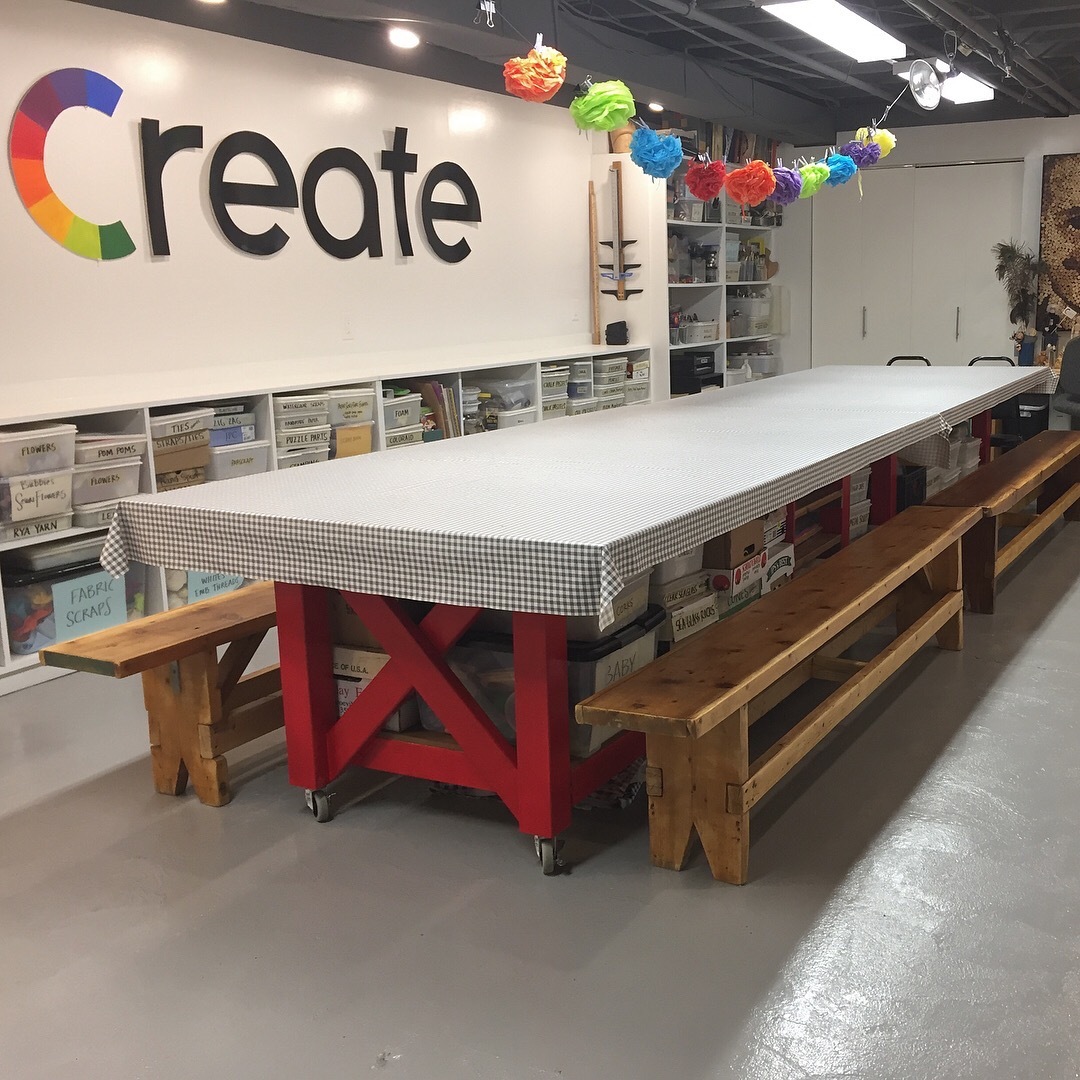
Creativity is at the heart of magic, allowing performers to captivate audiences with unique and imaginative illusions. This section will explore various methods you can utilize to brainstorm your very own magic trick ideas, encouraging innovative thinking and creativity in the process. When brainstorming for magic tricks, it is essential to employ different techniques that can help spark inspiration and lead to the development of original concepts.
By exploring existing tricks and daily life experiences, one can combine familiar elements in unexpected ways to create something entirely new.
Methods for Brainstorming Unique Concepts
Innovative thinking is essential in creating a compelling magic trick. Below are several methods to enhance your brainstorming process:
- Mind Mapping: This technique involves writing down your main idea in the center of a page and branching out with related concepts, techniques, or themes. This visual representation can lead to unexpected connections and help organize your thoughts.
- Free Writing: Set a timer for 10-15 minutes and write continuously about any magic-related ideas that come to mind. This unfiltered approach can reveal hidden inspirations and unexpected concepts.
- Collaboration: Partner with fellow magicians or creative individuals to share ideas. Discussing different perspectives can lead to fresh insights and innovative combinations.
Combining Existing Tricks into Something New
Many successful magic tricks are built upon existing ideas, enhanced by unique twists. By examining popular illusions and combining their elements, you can create original concepts. Consider the following techniques:
- Change the Context: Take a classic trick and place it in a different setting. For example, a card trick can be transformed into a storyline involving a historical theme or a futuristic setting.
- Merge Techniques: Combine techniques from different tricks. For instance, blending sleight of hand with mentalism might yield a captivating act that surprises the audience.
- Add a Personal Touch: Infuse your personality or cultural background into the performance. This can create a unique flair that sets your trick apart, making it memorable.
Drawing Inspiration from Everyday Life
Everyday life is a treasure trove of inspiration for magical ideas. Observing the mundane can reveal opportunities for creativity. Consider these approaches:
- Observation: Pay attention to everyday interactions, objects, and experiences. For instance, a simple act of someone pulling out a handkerchief could inspire a trick involving vanishing cloths.
- Storytelling: Reflect on your experiences or those of others. Crafting a narrative around a trick can enhance its emotional impact and captivate the audience’s imagination.
- Utilizing Technology: Explore how modern technology can be incorporated into your magic. Consider apps, gadgets, or social media trends that can be woven into your act.
“Creativity is the power to connect the seemingly unconnected.”
William Plomer
Designing Your Magic Trick

Designing a magic trick is a creative process that requires both imagination and careful planning. This stage involves transforming your initial idea into a tangible performance by considering the mechanics of the trick, the audience’s experience, and the props you’ll need. The following steps will guide you through the design process, ensuring that your final trick is both effective and captivating.The first step in designing your magic trick is to Artikel the mechanism behind your concept.
This involves determining how the trick will be performed, what will be the main illusion, and the role of any props. Think about the audience’s perspective; every successful trick should lead to a moment of astonishment or surprise. Below is a structured approach to designing your magic trick.
Steps for Designing an Original Magic Trick
The design process can be broken down into several key steps:
- Define the Illusion: Clearly articulate what illusion you want to create. This could be making an object disappear, changing its color, or performing an unexpected transformation.
- Select the Method: Decide on the method that will achieve this illusion. This could involve sleight of hand, misdirection, or the use of special props.
- Choose Your Props: Identify the materials and props you’ll need to execute the trick. Consider their availability and whether they fit the aesthetic of your performance.
- Plan the Presentation: Think about how you will perform the trick. Consider your movements, speech, and audience engagement to enhance the overall effect.
- Test the Trick: Practice extensively to ensure that the trick flows smoothly. Make adjustments based on feedback from friends or fellow magicians.
Potential Props and Materials Needed
Different types of magic tricks require various props and materials. Below is a table outlining potential items categorized by trick type.
| Type of Trick | Props/Materials |
|---|---|
| Card Tricks | Deck of cards, card box, invisible thread |
| Coin Tricks | Coins (various denominations), a coin box, handkerchiefs |
| Stage Illusions | Large boxes, curtains, smoke machines, mirrors |
| Mentalism | Notepads, pens, marked cards, audience materials (e.g., objects they choose) |
| Close-Up Magic | Small objects (e.g., rings, ropes), close-up mats, special gimmicks |
Selecting the right props is crucial as they can significantly enhance the effectiveness of your magic trick. Consider the practicality, functionality, and how they contribute to the overall illusion when making your selections.
“Designing a magic trick is not just about mechanics; it is an art form that combines creativity, practice, and performance to create unforgettable moments.”
Creating the Performance
Crafting a memorable performance is essential to the success of your magic trick. It is not solely the trick itself that captivates an audience, but also the narrative and presentation you create around it. This section will guide you through the process of developing a performance script, practicing effectively, and engaging your audience to ensure a delightful and unforgettable experience.
Developing a Script for Your Performance
A well-structured script is crucial for delivering your magic trick with confidence and flair. The script should include an introduction, the main body where the trick is performed, and a conclusion that highlights the key moments of your act. When writing your script, consider the following elements to enhance its effectiveness:
- Introduction: Begin with an engaging hook to draw the audience’s attention. This could be a personal anecdote, a humorous remark, or a thought-provoking question.
- Storytelling: Weave a narrative throughout your trick that connects with the audience emotionally. This could involve character development or a thematic backdrop that enriches the experience.
- Clarity: Ensure that your instructions and commentary during the trick are clear and easy to follow. Avoid jargon that may confuse the audience.
- Timing: Pay attention to pacing. Allow moments for suspense and reactions that can heighten the impact of your performance.
Practicing and Perfecting Your Trick
Practice is the cornerstone of any successful performance. It not only helps in mastering the mechanics of the trick but also builds confidence in your presentation skills. Follow these tips for effective practice:
- Rehearse Regularly: Dedicate time to practice your trick consistently. Consider setting a specific schedule to maintain discipline and focus.
- Record Yourself: Use video recordings to observe your performance from an audience’s perspective. This can help you identify areas for improvement such as body language, clarity, and engagement.
- Perform for Friends: Share your performance with trusted friends or family members who can provide constructive feedback. Their reactions can help you gauge the effectiveness of your presentation.
- Simulate a Live Audience: Practice in front of a mirror or a small group to simulate the experience of performing live. This will help you to manage nerves and develop your stage presence.
Engaging the Audience
An interactive and engaging performance can elevate your magic trick from a simple display to a memorable experience. Here are strategies to enhance audience engagement:
- Establish Eye Contact: Eye contact fosters a connection with your audience. It creates a sense of involvement and makes the performance feel more personal.
- Incorporate Audience Participation: Invite audience members to assist with the trick, creating a shared experience. This involvement can amplify their investment in the outcome.
- Use Humor: Light-hearted jokes or playful banter can ease any tension and make the performance enjoyable. Tailor your humor to fit the audience and context of the event.
- Read the Room: Be aware of the audience’s reactions. Adjust your performance according to their responses, speeding up or slowing down as necessary to maintain their interest.
“The art of magic lies not just in the illusion itself, but in the ability to transport the audience into a world of wonder and excitement.”
Testing and Refining Your Magic Trick
Testing and refining your magic trick is a crucial phase that allows you to polish your performance and ensure it resonates with your audience. By conducting trials and gathering feedback, you can identify areas for improvement, enhance your delivery, and ultimately elevate the overall impact of your trick.Testing your magic trick with a small audience provides invaluable insights regarding its effectiveness and reception.
This initial group can be composed of friends, family, or fellow magic enthusiasts who can offer constructive criticism and encouragement. The goal of this step is to observe their reactions, note any confusion or surprise, and assess the overall entertainment value of your performance.
Gathering Feedback
Collecting feedback is essential to understanding how your audience perceives your trick. Here are several effective methods to gather insights:
- Observation: Watch the audience closely during your performance. Their body language and facial expressions can reveal a lot about their engagement and reactions.
- Follow-up Questions: After the performance, ask specific questions about their experience. Inquire what they found intriguing or unclear to gain detailed feedback.
- Feedback Forms: Create a simple feedback form that includes questions about various aspects of the trick, such as clarity, entertainment value, and overall impression. This allows for structured feedback.
Using this feedback, you can refine your trick. This may involve adjusting pacing, enhancing the storyline, or modifying the visual components to create a more compelling performance.
Refining Based on Reactions
Refinement is about making thoughtful adjustments based on the feedback you receive. Consider the following strategies to enhance your magic trick:
- Adjusting Timing: If the audience seems confused during a particular moment, consider altering the timing of your movements or the reveal of the trick to maintain engagement.
- Streamlining Instructions: Simplify any verbal instructions or explanations that may disrupt the flow of the trick. Clear communication is key to maintaining audience interest.
- Enhancing Visuals: If certain elements are underwhelming or unclear, consider improving props or visuals to make the trick more captivating. This can include using brighter colors or more dynamic movements.
Through continuous testing and refinement, your magic trick will become more polished and entertaining.
Common Pitfalls and Solutions
Being aware of common pitfalls can help you avoid potential issues during your performance. Here are several frequent mistakes and strategies to overcome them:
- Overcomplicated Tricks: A trick that is too complex can confuse the audience. Simplify your method to ensure clarity and enjoyment.
- Pacing Issues: Moving too quickly may cause the audience to miss critical moments. Practice your timing to ensure smooth transitions that maintain engagement.
- Lack of Audience Connection: Failing to engage with your audience can diminish the impact of your trick. Work on building rapport by making eye contact and encouraging participation.
By acknowledging these potential pitfalls and implementing solutions, you can enhance your performance and ensure that your magic trick leaves a lasting impression.
Marketing Your Magic Trick
In the world of magic, having a captivating trick is only half the battle; effective marketing is vital for reaching a broader audience and showcasing your talent. By employing strategic promotional tactics, magicians can not only establish their brand but also create a loyal following. This section Artikels essential strategies for marketing your magic trick, emphasizing the importance of online presence and social media in today’s digital age.Creating a robust online presence is crucial for any magician looking to promote their tricks.
Today, social media platforms serve as powerful tools to engage audiences, share performances, and connect with fans. The proper use of these tools can significantly enhance visibility and generate interest in your unique magic trick.
Utilizing Social Media for Promotion
Social media is instrumental in showcasing your magic trick to a wider audience. Here are effective strategies for leveraging these platforms:
- Create Engaging Content: Regularly post videos, behind-the-scenes looks, and live performances to captivate your audience. High-quality visuals and engaging storytelling are key to attracting attention.
- Utilize Hashtags: Using relevant hashtags can expand your reach. Popular tags related to magic and performance arts can help you connect with magic enthusiasts and potential fans.
- Collaborate with Influencers: Partnering with social media influencers in the magic or entertainment niche can help you reach a broader audience. Their endorsement can add credibility and attract followers to your work.
- Run Contests and Giveaways: Engaging your audience through contests related to your magic trick can create buzz and encourage sharing, further expanding your reach.
Examples of Successful Marketing Campaigns
Several magicians have successfully implemented marketing strategies that serve as great case studies. These examples illustrate how effective promotion can elevate a magic act:
- Dynamo: The British magician is renowned for his high-profile television series and social media presence. His innovative use of social media platforms to share snippets of his performances has garnered millions of followers and significant public interest.
- David Blaine: Known for his endurance stunts and street magic, Blaine has effectively utilized viral marketing. His carefully crafted promotional videos generate intrigue, often leading to extensive media coverage and public fascination.
- Criss Angel: His television specials and extensive use of YouTube for sharing performance clips have created a strong personal brand. By engaging directly with fans through social media, Angel maintains a connection that fosters loyalty and interest.
Each of these magicians has successfully showcased their tricks and established their unique brand in the competitive magic landscape through strategic marketing efforts. Emphasizing creativity and audience engagement will yield significant results in promoting your magic trick effectively.
Finalizing Your Magic Act

The process of finalizing your magic act is essential to ensure that your performance flows smoothly and captivates your audience. This stage involves compiling your individual tricks into a cohesive performance that tells a story or follows a theme. The success of your act hinges on careful planning, rehearsal, and engaging delivery.
Compiling Tricks into a Cohesive Act
When assembling your magic tricks, consider how each trick transitions into the next. A well-structured act not only showcases your skills but also maintains the audience’s attention. Crafting a narrative or thematic continuity can enhance the overall experience. Here are some key points to consider when compiling your tricks:
- Theme Development: Choose a central theme that resonates with your audience. It can be anything from a journey through time to a mystical adventure.
- Logical Sequencing: Arrange your tricks in a logical order that builds suspense or excitement. Start with simpler tricks to establish rapport before introducing more complex illusions.
- Building a Climax: Create a peak moment in your act where the most impressive trick occurs. This ensures that the audience remains engaged and leaves a lasting impression.
- Pacing and Flow: Smooth transitions between tricks help in maintaining the rhythm of your performance. Consider using patter or dialogue to bridge gaps and keep the flow consistent.
Importance of Rehearsal and Timing
Rehearsals are vital in ensuring that your magic act is polished and professional. Practicing your performance allows you to refine your timing, which is crucial in magic. The success of a trick often relies on perfect timing and execution. Here are some important aspects of rehearsal:
- Timing Precision: Each trick has a specific timing that must be adhered to for maximum impact. Whether it’s the reveal of a card or the moment a prop is produced, timing is essential.
- Feedback Loop: Performing in front of a trusted friend or mentor can provide valuable insights. Constructive criticism helps identify areas for improvement and boosts confidence.
- Consistency in Performance: Regular rehearsals lead to a consistent performance. This consistency builds trust with your audience, knowing they can expect the same level of quality each time.
Maintaining Audience Interest
Keeping your audience engaged is vital to a successful magic act. Consider the following strategies to sustain interest throughout your performance:
- Audience Interaction: Involve your audience by asking for volunteers or incorporating their suggestions into your act. This interaction makes them feel more invested in the performance.
- Storytelling: Weave a narrative throughout your act. A compelling story enhances the emotional connection and captivates the audience’s imagination.
- Variety of Tricks: Incorporate a mix of different types of magic, such as close-up, stage illusions, and mentalism. This variety keeps the performance dynamic and unpredictable.
- Engaging Presentation: Use humor, charisma, and theatrical elements to enhance your performance. A lively presentation style captures attention and maintains enthusiasm.
Outcome Summary
In conclusion, creating your own magic trick is not just about the final performance; it is about the journey of exploration and refinement that leads you there. With dedication, practice, and creativity, you can weave together your ideas into a captivating act that leaves a lasting impression on your audience. Embrace the challenge, share your magic with the world, and continue to evolve as a performer in this timeless art.