How to Use Psychology to Make Your Magic Stronger opens the door to an intriguing exploration of the interplay between psychological principles and the art of magic. This captivating topic invites readers to delve into how understanding human perception, emotions, and cognitive biases can elevate magical performances to unforgettable experiences. By tapping into the realm of psychology, magicians can create deeper connections with their audience, enhance the effectiveness of their tricks, and leave lasting impressions that resonate long after the performance is over.
The journey of this discussion will take us through the essential psychological concepts that are foundational to the craft of magic. From the role of suggestion and the importance of building rapport with audiences, to the strategic use of cognitive biases and emotional engagement, we will Artikel how these elements contribute to a more powerful and memorable magical experience. Each aspect will be explored in detail, providing practical insights and techniques that can be immediately applied to enhance one’s magical repertoire.
Understanding the Basics of Psychology in Magic

Magic is not solely about sleight of hand or illusion; it intricately involves the psychology of the audience. By understanding how psychological principles operate, magicians can create stronger, more impactful performances. The application of psychology in magic can enhance the audience’s engagement and emotional response, turning a simple trick into a profound experience.The interplay between perception and magic is a key element that every magician must grasp.
At its core, psychology provides insight into how individuals perceive reality, which can be influenced to create magical experiences. By manipulating cognitive processes, magicians can generate astonishment, disbelief, and wonder. For example, a magician may utilize misdirection, which hinges on the audience’s focus and attention; understanding how people process information allows magicians to orchestrate a narrative that captivates their spectators.
Key Psychological Principles in Magic
Several psychological principles underpin the effectiveness of magical performances. Here are some of the essential theories and concepts:
- Cognitive Dissonance: This principle explains how conflicting beliefs can lead to discomfort. Magicians exploit this by presenting an experience that contradicts the audience’s understanding of reality, creating a compelling need to resolve their disbelief.
- Attention and Misdirection: The ability to focus attention on a specific point while distracting from the actual method of the trick is crucial. This strategy relies on understanding the limitations of human attention spans and how easily they can be diverted.
- Expectation Management: By setting up expectations before revealing a trick, magicians guide the audience’s thought processes. This builds suspense and heightens the impact of the final reveal, as the audience is often left in awe when their expectations are subverted.
- Social Psychology: This field examines how individuals influence and are influenced by one another. A magician’s performance can create a shared experience that fosters connection among audience members, enhancing the overall effect of the magic.
Understanding these principles allows magicians to develop a toolkit of techniques that enrich their performances. By tailoring their acts to engage with the audience’s psychological responses, they can elevate the magic beyond mere tricks to an immersive experience that resonates deeply.
“Magic is the art of making the impossible seem possible, and psychology is the science that helps us understand how to achieve that illusion.”
The Role of Suggestion and Influence

In the realm of magic, suggestion and influence are pivotal elements that enhance the overall experience for the audience. By skillfully implanting thoughts and guiding perceptions, a magician can create an atmosphere where the impossible seems achievable. Understanding how to effectively wield these techniques can significantly elevate a magician’s performance and leave a lasting impression on spectators.Creating a conducive atmosphere for influencing an audience is essential for effective magical performances.
The environment can amplify the power of suggestion, transforming ordinary tricks into extraordinary experiences. Key components include:
Techniques for Using Suggestion in Magical Performances
Utilizing suggestion in magic involves embedding cues within a performance that lead the audience to perceive outcomes differently. Here are several techniques that can be employed:
- Verbal Cues: The use of specific phrases that can direct audience attention and shape their expectations enhances the effectiveness of tricks. For example, phrases that evoke emotions or imagery can make the experience feel more real.
- Physical Gestures: Subtle hand movements or body language can suggest actions without overtly stating them. This non-verbal communication can guide the audience’s focus, leading them to draw incorrect conclusions that support the illusion.
- Timing and Pacing: Manipulating the rhythm of the performance can heighten suspense and anticipation, making the final reveal more impactful. A well-timed pause can create a moment for the audience to internalize the suggestion.
Creating a Conducive Atmosphere for Influencing an Audience
The setting of a performance plays a crucial role in how suggestions are received. Key aspects to consider include:
- Lighting: Dim lighting can create an air of mystery, encouraging spectators to focus their attention on the magician. Spotlights can be used to emphasize key moments, directing attention precisely where it is needed.
- Sound: Background music or sound effects can evoke specific emotions and enhance the overall atmosphere. The right sound can create tension or excitement, further immersing the audience in the performance.
- Audience Engagement: Actively involving the audience through questions or direct interactions can make them feel part of the experience, increasing their receptivity to suggestions.
Practicing Persuasive Language in Magic Acts
Persuasive language is a powerful tool in the arsenal of a magician. Utilizing language that resonates with the audience can significantly enhance the effectiveness of the performance. Techniques for practicing persuasive language include:
- Storytelling: Crafting narratives around tricks can provide context and emotional engagement, making the illusion more compelling. A well-told story can captivate an audience and prime them for the unexpected.
- Repetition: Repeating key phrases or ideas during a performance reinforces suggestions, making them more memorable. This technique can be particularly effective in ensuring that the audience recalls specific details that support the illusion.
- Inclusive Language: Using “we” and “together” fosters a sense of unity with the audience, making them feel included in the experience, which can heighten their susceptibility to suggestion.
“By harnessing the power of suggestion and creating a supportive atmosphere, magicians can transform the ordinary into the extraordinary.”
Building Rapport with Your Audience
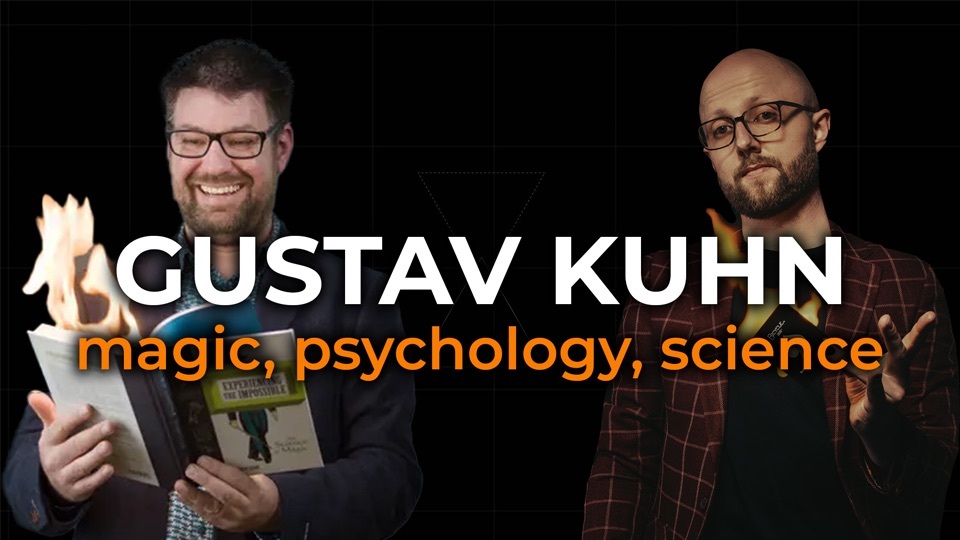
Establishing a strong connection with your audience is essential in magic. Rapport enhances the overall experience, enabling the performer to engage effectively and create a memorable experience. When the audience feels connected to the magician, they are more likely to be open to the performance and willing to suspend their disbelief, allowing for a deeper impact of the tricks being presented.Non-verbal communication plays a pivotal role in building this connection.
This includes body language, eye contact, and facial expressions, which can convey confidence and sincerity. By mastering these elements, a magician can create a welcoming atmosphere that encourages the audience to participate and become invested in the performance.
Strategies for Establishing a Connection
Before performing, there are several effective strategies to establish rapport with your audience. These strategies not only set the tone for the performance but also help in fostering trust and engagement. Consider the following techniques:
- Greet the Audience Warmly: A friendly greeting can make a significant difference. Smile and make eye contact to create an immediate connection.
- Engage in Small Talk: Brief interactions before the performance can humanize the magician and make the audience feel more comfortable.
- Personalize the Experience: Use names or anecdotes specific to the audience to create a sense of intimacy and connection.
- Establish Common Ground: Find shared interests or experiences to relate with the audience, which can foster a sense of camaraderie.
The Importance of Non-Verbal Communication
Non-verbal cues are critical in magic, as they often convey emotions and intentions more effectively than words. The following aspects of non-verbal communication are particularly pertinent:
- Body Language: Open and relaxed body language encourages trust and signals approachability. Avoid crossing arms or displaying closed-off postures.
- Facial Expressions: Utilizing appropriate facial expressions can enhance the storytelling aspect of the magic, conveying excitement, surprise, or suspense.
- Eye Contact: Maintaining eye contact establishes a connection with individuals in the audience, making them feel seen and involved in the performance.
- Gestures: Effective gestures can help emphasize points and create a dynamic presence, drawing attention to key moments in the act.
Techniques for Reading Audience Reactions
Understanding audience reactions is vital for any performer. Being able to read and respond to the audience can significantly enhance the effectiveness of the performance. Here are techniques to help gauge audience feedback:
- Observe Facial Expressions: Pay attention to expressions of surprise, laughter, or confusion to gauge how well the performance is being received.
- Listen to Reactions: The sounds of applause, gasps, or laughter can provide immediate feedback on what is working well and what isn’t.
- Adjust Timing: Be aware of pacing during the performance. If the audience is particularly engaged, allowing moments to linger can heighten the suspense.
- Solicit Participation: Encouraging audience members to participate can provide insight into their reactions and help to foster a stronger connection.
By implementing these strategies and techniques, magicians can effectively build rapport with their audience, enhancing the overall magic experience and ensuring that their performances resonate on a deeper level.
Employing Cognitive Biases
The art of magic is deeply intertwined with the principles of psychology, particularly when it comes to the concept of cognitive biases. These biases are systematic patterns of deviation from norm or rationality in judgment, which can be artfully harnessed to enhance the perceived effectiveness of magic tricks. Understanding and leveraging these cognitive biases not only enriches the magician’s repertoire but also creates a more engaging and mystifying experience for the audience.Cognitive biases can influence the way individuals perceive reality, making them susceptible to illusions and misdirection.
By designing tricks that exploit these biases, magicians can create effects that seem extraordinary and defy logical explanation. Below are some common cognitive biases that can be effectively utilized in magical performances:
Common Cognitive Biases in Magic
The following cognitive biases can significantly enhance the impact of magic tricks by shaping the audience’s perceptions and reactions:
- Confirmation Bias: This bias leads individuals to favor information that confirms their preexisting beliefs. A magician can design a trick that supports a specific narrative, reinforcing the audience’s expectations and enhancing the overall experience.
- Anchoring Bias: People often rely heavily on the first piece of information they encounter. A magician can strategically introduce an initial element that sets the stage for the main trick, anchoring the audience’s expectations and guiding their perception.
- Recency Effect: This bias suggests that people remember the most recently presented information best. By concluding a performance with a strong illusion, the magician can leave a lasting impression on the audience’s memory.
- Illusory Correlation: This occurs when individuals perceive a relationship between variables that are not actually related. A magician can create scenarios that lead the audience to believe that outcomes are connected, enhancing the mystery of the trick.
The strategic implementation of these biases can contribute to a more engaging and believable magic experience. Here are examples of how to design illusions that exploit these biases effectively:
Designing Illusions Using Cognitive Biases
Creating illusions that take advantage of cognitive biases requires careful planning and execution. Here are specific techniques that can be employed:
- Utilizing Confirmation Bias: A magician could perform a card trick where the chosen card appears multiple times throughout the performance. By reinforcing the belief that the chosen card was destined to be revealed, the audience’s confirmation bias will lead them to accept the result as seemingly logical.
- Employing Anchoring Bias: Prior to revealing a final illusion, a magician might show a series of ordinary objects and emphasize their commonality. When the unexpected occurs, the anchoring effect shifts the audience’s focus, making the revelation appear even more astonishing.
- Leveraging the Recency Effect: By finishing a performance with an impactful and memorable trick, the magician ensures that this illusion remains fresh in the audience’s minds, heightening their overall enjoyment of the show.
- Creating Illusory Correlations: A magician can set up sequences where random outcomes are framed as connected. For example, predicting an audience member’s choice after a series of seemingly unrelated questions can lead to an incorrect assumption that the magician has mind-reading abilities.
To further enhance the impact of these illusions, crafting compelling narratives is essential. Narratives serve to engage the audience on an emotional level, which can amplify the effects of the cognitive biases at play.
Enhancing Perception Through Narrative
Narratives can transform a simple trick into a captivating story, making the magic more memorable and impactful. By weaving in themes that resonate with the audience, magicians can enhance the perception of their tricks. Here are some strategies for developing narratives that work in tandem with cognitive biases:
- Creating a Relatable Backstory: A magician can introduce a story that connects the audience to the trick, such as a personal anecdote or a historical reference. This helps to establish an emotional connection, making the illusion feel more significant.
- Using Suspense and Revelation: Crafting a narrative that builds suspense can heighten the impact of the final reveal. By leading the audience through a journey filled with twists and turns, the culmination of the trick becomes more surprising.
- Incorporating Symbols and Themes: Utilizing symbols that hold cultural or emotional significance can create a richer narrative. This taps into the audience’s existing knowledge and beliefs, enhancing the overall experience through association.
By understanding and effectively employing cognitive biases, magicians can significantly enhance the perception and impact of their performances. This mastery of psychological principles not only captivates the audience but also elevates the art of magic itself.
The Psychology of Surprise and Expectation

The integration of surprise in magic acts serves as a powerful tool to astonish and engage audiences. Surprise can create memorable experiences, heightening the emotional impact of a performance. By understanding the mechanics behind surprise and expectation, magicians can craft acts that captivate and astonish their audience, thereby enhancing the overall effectiveness of their magic.Expectation plays a crucial role in shaping how audiences perceive and respond to magic.
When audiences have certain expectations, they are primed to react in particular ways. By skillfully manipulating these expectations, magicians can produce effects that seem supernatural or impossible. The ability to manage what the audience anticipates allows performers to create moments of genuine astonishment.
Integration of Surprise Elements
Incorporating surprise into a magic act can fundamentally alter the audience’s experience. The following methods can effectively integrate surprise:
- Unexpected Outcomes: Introduce elements in your act that lead to an unexpected conclusion. For example, a seemingly simple card trick could culminate in a surprising revelation, such as the chosen card appearing in an unexpected location.
- Disrupting Patterns: Establish a predictable pattern in your routine and then abruptly change the outcome. This disruption can create a shocking effect that leaves the audience in awe.
- Use of Misdirection: Directing the audience’s attention away from the actual method of a trick can lead to surprising results. Effective use of misdirection can create a sense of magical impossibility.
Manipulation of Audience Expectations
Managing audience expectations is key to enhancing the effectiveness of a magic performance. The following strategies are vital:
- Building Suspense: Gradually build suspense before revealing the trick’s outcome. This can heighten anticipation and make the eventual surprise more impactful.
- Creating Assumptions: Forge assumptions through verbal or visual cues that lead the audience to predict an outcome. When the actual result deviates from these assumptions, it creates a powerful surprise.
- Establishing Context: Set the scene or context in such a way that audiences believe they understand what will happen next. By establishing a clear narrative, the magician can seamlessly introduce an unexpected twist.
“Surprise is the secret ingredient that transforms the ordinary into the extraordinary.”
By effectively leveraging the psychology of surprise and expectation, magicians can create performances that resonate deeply with their audiences, leaving lasting impressions that enhance the art of magic.
Emotional Engagement in Magic
Emotional engagement serves as a powerful tool in the realm of magic, allowing performers to connect deeply with their audience. By evoking emotions, magicians can enhance the overall experience, making their performances more memorable. Understanding how to strategically manipulate emotional responses is crucial for any magician seeking to elevate their craft.One effective method of achieving emotional engagement is through storytelling.
Narratives create a framework for the audience, providing context and allowing them to invest emotionally. Utilization of personal anecdotes or fictional tales can evoke feelings such as joy, nostalgia, or even suspense. When audiences are emotionally involved, they are more likely to experience a sense of wonder and connection with the performance.
Techniques for Evoking Emotions
Employing specific techniques can significantly enhance emotional engagement during magic performances. The following methods are instrumental in creating a powerful emotional connection:
- Personal Stories: Sharing relatable personal stories allows the audience to empathize with the performer. For instance, a magician might recount a childhood memory tied to the theme of magic, evoking feelings of innocence and nostalgia.
- Music and Sound Effects: The strategic use of music can heighten emotional responses. A soft, melodic background score during a poignant moment can amplify feelings of hope or sadness, while upbeat music can generate excitement and joy.
- Visual Imagery: Descriptive language and vivid imagery can paint compelling scenarios in the audience’s mind. For example, describing the beauty of a sunset while performing a related magic trick can evoke a sense of wonder and tranquility.
- Physical Expression: Body language plays a crucial role in conveying emotion. A magician’s facial expressions, gestures, and posture can significantly affect how the audience perceives the emotional tone of the performance.
Impact of Storytelling on Audience Emotional Responses
Storytelling is a fundamental aspect of emotional engagement in magic. A well-structured narrative can guide the audience through an emotional journey, making the magic feel more significant. By creating a relatable context, magicians can manipulate audience expectations and emotions effectively.For instance, a magician could weave a story about overcoming adversity, culminating in a magical moment that symbolizes triumph. This storytelling approach fosters a deeper connection between the audience and the performance, enhancing both the emotional weight and the impact of the magic.
Using Emotion to Make Magic More Memorable
Magicians can leverage emotional experiences to create lasting memories for their audiences. Emotional events tend to be more easily recalled, making them a valuable asset in a magician’s toolkit. Here are strategies for embedding emotion into performances:
- Climactic Moments: Build toward emotional climaxes in a performance, where the magic coincides with a significant emotional revelation. This creates a powerful association between the emotion experienced and the magic witnessed.
- Audience Participation: Involving the audience in the performance fosters a shared emotional experience. This can be achieved by inviting them to contribute to a story or participate in a trick, making them feel a part of the magic.
- Surprise Elements: Unexpected twists can elicit strong emotional reactions. For instance, suddenly revealing a heartfelt message in a magic trick can create a moment of joy or surprise that lingers in the audience’s memory.
- Closure and Reflection: Ending a performance with a thoughtful reflection or a poignant message can leave a lasting emotional impression. This encourages the audience to ponder the themes presented, enhancing their overall experience.
Enhancing Memory and Recall
Enhancing memory and recall is crucial in ensuring that audiences retain the thrilling experiences of magic performances long after the show has ended. By utilizing psychological principles, magicians can design acts that not only captivate but also embed themselves in the minds of spectators. This segment delves into various strategies and techniques that can significantly improve audience memory of magic performances.
Designing Acts for Improved Audience Memory
Crafting performances that are memorable requires a deep understanding of how memory works. One effective approach is the use of storytelling, which can anchor the magical effect in a narrative structure, making it easier for audiences to remember. When designing acts, consider incorporating the following elements that enhance memory retention:
- Clear Themes: Establish a central theme that resonates emotionally with the audience. This could be a story of love, mystery, or adventure that ties multiple effects together, creating a cohesive experience.
- Visual Imagery: Utilize striking visuals and props that are unique and engaging. For instance, a bright red scarf or a dramatic lighting change can create a strong visual cue that audiences associate with the performance.
- Repetition: Incorporate key phrases, gestures, or effects that recur throughout the performance. This repetition reinforces memory and helps the audience recall specific moments.
Creating Memorable Hooks in Magic Routines
Memorable hooks serve as anchors for audience recall and can significantly heighten the impact of a performance. Hooks can take various forms, such as a surprising piece of information, an unexpected twist, or a clever play on words. Some effective strategies for creating memorable hooks include:
- Unique Presentation: Present an effect in a way that diverges from traditional methods, making it more likely to stick in the audience’s mind. For example, a card trick performed in an unusual location or under peculiar circumstances can become a talking point.
- Emotional Resonance: Integrate elements that evoke strong emotions, whether joy, nostalgia, or even suspense. A connection to personal experiences can make the magic more relatable and memorable.
- Unexpected Outcomes: Surprise the audience with a twist they did not anticipate. This can be achieved through misdirection or an unexpected reveal that leaves a lasting impression.
Tools and Techniques for Enhancing Audience Recall
To further bolster audience memory of magic performances, various tools and techniques can be employed. These methods not only make the performance more engaging but also improve the likelihood of retention:
- Multisensory Engagement: Engage multiple senses during performances. Incorporating sound, scent, or tactile elements can create a richer experience, making the magic more memorable.
- Memory Aids: Use mnemonic devices or rhymes that relate to the performance. This technique can help audiences remember key details, especially in complex routines.
- Follow-up Communication: After the performance, consider sending a thank-you email or engaging with the audience on social media. Sharing images or highlights from the show reinforces the experience and aids memory recall.
Incorporating storytelling, visual imagery, and emotional resonance are essential for creating memorable magic experiences that stick with audiences long after the performance ends.
Practice and Performance Psychology
Effective practice and performance psychology is vital for enhancing a magician’s ability to deliver captivating performances. By understanding and applying psychological techniques, magicians can significantly boost their confidence, prepare mentally for their acts, and overcome performance anxiety. This segment delves into several psychological strategies that can optimize performance and create a more impactful experience for both the magician and the audience.
Psychological Techniques to Improve Performance Confidence
Building confidence is crucial in performance settings, as it directly influences the quality and delivery of magic acts. Several psychological techniques can enhance self-confidence in magicians, enabling them to present their skills more effectively. These techniques include:
- Positive Affirmations: Regularly using affirmations that reinforce self-belief can significantly enhance performance confidence. For example, repeating phrases like “I am a skilled performer” can create a positive mindset.
- Goal Setting: Establishing specific, measurable, attainable, relevant, and time-bound (SMART) goals helps magicians track their progress and achieve milestones that foster a sense of accomplishment.
- Performance Reviews: Reflecting on past performances, both successes and areas for improvement, allows magicians to analyze their strengths and build confidence by recognizing their growth.
- Peer Feedback: Seeking constructive feedback from fellow magicians can provide different perspectives and reinforce a magician’s skills and abilities.
Importance of Visualization in Performance Preparation
Visualization is a powerful technique used by performers across various fields, including magic. By mentally rehearsing their acts, magicians can enhance their performance and reduce anxiety. Visualization involves imagining the performance in vivid detail, incorporating various aspects such as audience reactions, movement, and timing.
The process of visualization can be broken down into the following steps:
- Create a Mental Image: Develop a detailed mental picture of the performance, including the environment, audience, and key moments.
- Engage All Senses: Involve all senses in the visualization process, imagining sounds, feelings, and even smells associated with the performance.
- Rehearse Movement: Mentally practice the sequence of actions involved in the magic trick, ensuring precision and smooth transitions.
- Anticipate Challenges: Visualize potential challenges and rehearse responses to them, creating a sense of preparedness.
Strategies for Overcoming Performance Anxiety through Mental Conditioning
Performance anxiety is a common challenge faced by many performers, including magicians. Mental conditioning strategies can help alleviate anxiety and prepare magicians to face their audience with confidence. Implementing the following techniques can lead to a more relaxed and focused performance:
- Breathing Exercises: Deep breathing techniques can help calm the mind and body before a performance, reducing feelings of anxiety.
- Mindfulness and Meditation: Practicing mindfulness helps magicians stay present and focused, minimizing distractions and anxiety related to performance outcomes.
- Desensitization Techniques: Gradual exposure to performing in front of small audiences can help acclimate magicians to larger settings and reduce anxiety over time.
- Imagery Training: Using imagery to visualize successful performances can replace negative thoughts with positive outcomes.
By integrating these psychological techniques into their practice routines, magicians can enhance their performance confidence, prepare effectively through visualization, and manage performance anxiety, ultimately leading to more engaging and memorable magic acts.
Outcome Summary

In conclusion, mastering the psychological aspects of magic not only enriches a magician’s toolkit but also transforms the entire performance into an interactive and engaging experience for the audience. By understanding the nuances of human behavior, emotion, and expectation, magicians can craft performances that are not only visually stunning but also resonate on a deeper psychological level. This discussion has illuminated the myriad ways in which psychology can bolster the art of magic, encouraging practitioners to continually refine their skills and deepen their connection to their audience for truly enchanting results.