How to Entertain Kids with Simple, Safe Magic is not only an exciting way to engage young minds but also fosters their creativity and cognitive development. Magic has long been a source of wonder and joy for children, sparking their imaginations and providing opportunities for learning through play. By introducing simple and safe magic tricks, parents and educators can create memorable experiences that enhance children’s confidence and social skills.
This guide delves into the essentials of selecting age-appropriate tricks, emphasizes the significance of safety, and offers a wealth of interactive ideas that ensure children remain captivated throughout performances. With careful planning and a touch of creativity, magic can become a delightful avenue for children to explore their abilities and express themselves.
Introduction to Magic for Kids
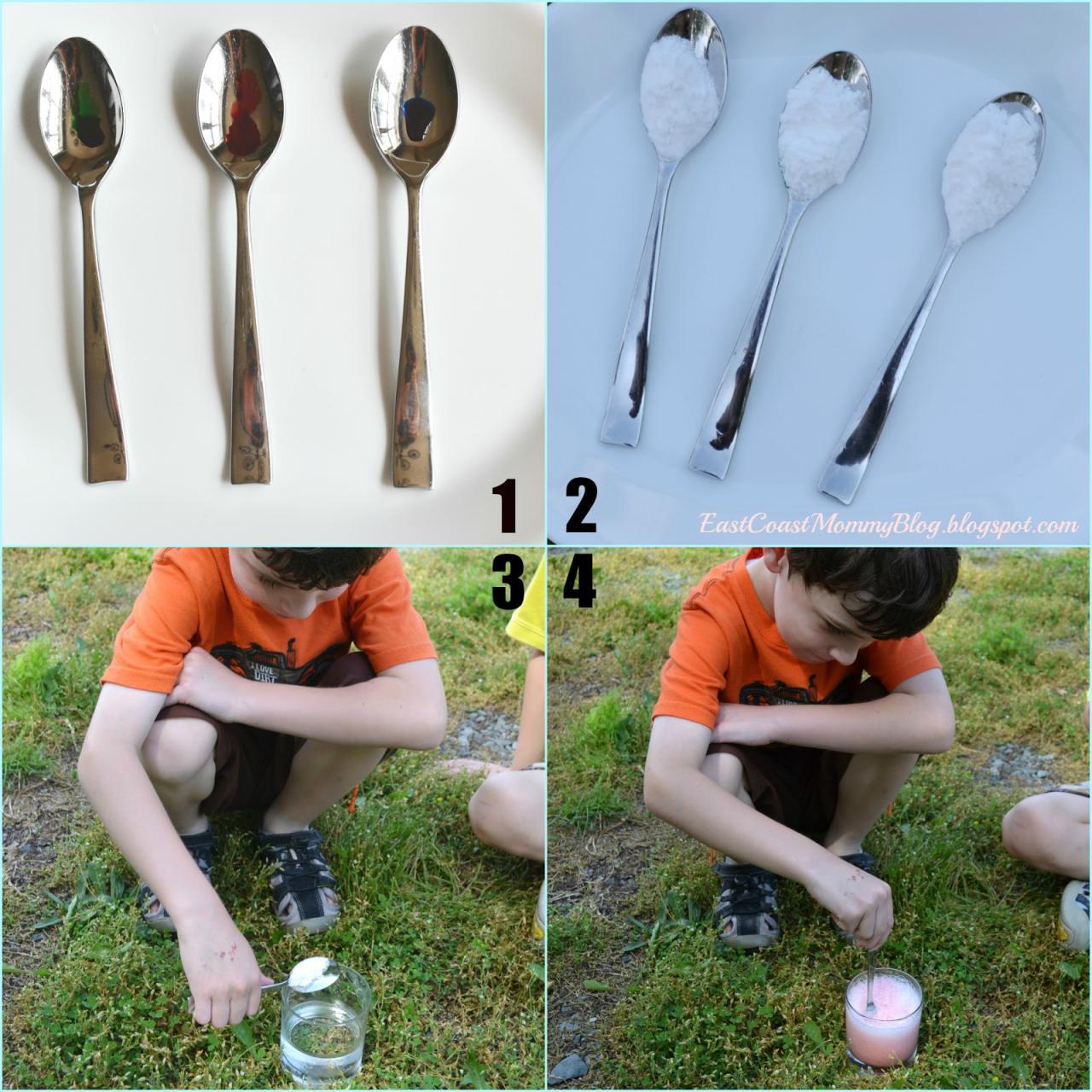
Magic has long captivated the imaginations of children, serving not only as a source of entertainment but also as a valuable tool for development. Engaging children with magic can foster creativity, enhance cognitive skills, and provide opportunities for social interaction. Simple and safe magic tricks can be easily mastered, offering children a sense of achievement and encouraging their innate curiosity about the world around them.Incorporating magic into children’s activities can have numerous developmental benefits.
Engaging in magic helps improve focus and concentration as children learn to perform tricks. Moreover, it enhances fine motor skills and hand-eye coordination, as executing illusions often requires precise movements. Additionally, performing magic tricks can build confidence and public speaking skills, as children present their acts to family and friends. The joy of magic lies in its ability to combine fun with learning, making it an excellent choice for entertaining kids.
Age-Appropriate Magic Ideas for Different Age Groups
Selecting the right magic tricks for various age groups can enhance the learning experience and keep children engaged. Below are suitable magic ideas categorized by age, ensuring safety and enjoyment for all participants.For toddlers (ages 2-4), focus on simple visual tricks that captivate attention:
- Color-changing scarves: Brightly colored scarves can be hidden in small hands and then revealed in a different color, introducing the concept of surprise.
- Vanishing objects: Use a small toy and a cloth to cover it, allowing children to uncover the item and see it reappear, stimulating curiosity.
For preschoolers (ages 4-6), introduce tricks that encourage participation:
- Magic coloring book: A coloring book that appears blank and then reveals images can enchant young kids and teach them about anticipation.
- Disappearing coin: Have the child hold a coin in one hand, then use the other hand to make it “disappear,” fostering motor skills and dexterity.
For early school-age children (ages 6-8), incorporate tricks that require basic skills:
- Card tricks: Simple card tricks can be performed with a standard deck, teaching children about patterns and prediction.
- Magic wand: Using a wand to perform simple spells, like making a ball disappear, encourages imaginative play while enhancing coordination.
For older children (ages 8 and up), present more complex tricks that challenge their thinking:
- Mind-reading tricks: Simple mentalism tricks can be performed, stimulating logical thinking and problem-solving abilities.
- Linking rings: This classic trick involves linking and unlinking rings, promoting patience and concentration as they master the technique.
Engaging children in magic not only entertains but also nurtures essential skills that contribute to their overall development.
Selecting Safe Magic Tricks
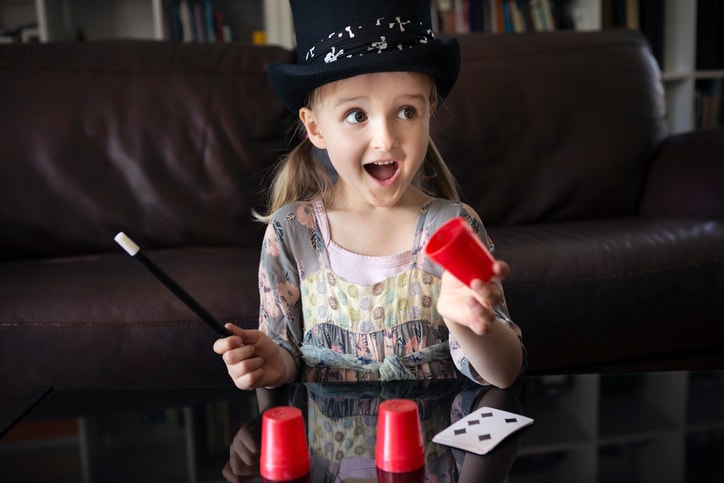
Selecting safe magic tricks for children is of utmost importance to ensure both their enjoyment and safety during performances. Magic can be an enchanting experience for kids, but it should never come at the cost of their well-being. When choosing tricks, it is essential to focus on age-appropriate methods, materials, and the overall safety of the environment in which the tricks will be performed.When identifying suitable magic tricks, consider the following criteria that help ensure safety and engagement for young performers:
Criteria for Selecting Safe Magic Tricks
To create a magical experience without compromising safety, it is critical to evaluate the chosen tricks against specific criteria. These criteria help in determining whether a trick is appropriate for children.
- Age Appropriateness: Ensure tricks are suitable for the child’s age and skill level, as younger children may struggle with complex setups or concepts.
- Non-Toxic Materials: All materials used for tricks should be safe, non-toxic, and free from small parts that could pose a choking hazard.
- Simple Mechanics: Choose tricks that rely on straightforward mechanics, allowing kids to grasp the concept without complicated instructions or setups.
- No Sharp Objects: Avoid tricks that require the use of sharp or potentially dangerous items, ensuring that all props are child-friendly.
- Minimal Mess: Select tricks that do not create significant mess or require extensive clean-up to maintain a smooth experience for both the performer and the audience.
Materials Needed for Safe Magic Tricks
The right materials are crucial for the successful execution of safe magic tricks. Using everyday items often enhances the experience while ensuring safety and accessibility. Here are examples of materials that can be utilized for safe magic tricks:
- Playing Cards: Essential for various card tricks, they are lightweight and safe for children to handle.
- Scarves: Colorful scarves can be used in many tricks, such as disappearing acts or color-changing illusions.
- Plastic Cups: These can be used for tricks like the cup and ball routine, providing a safe and easy-to-handle option.
- Rubber Bands: Ideal for simple tricks involving stretching and snapping, ensuring no injuries occur during performance.
- Coins: Commonly used in magic, plastic or rubber coins are advisable for younger children to avoid injury.
Potential Hazards to Avoid When Performing Magic for Kids
Understanding potential hazards associated with magic tricks is essential for creating a safe atmosphere for children. Knowing what to avoid helps prevent accidents and ensures a fun experience. Some common hazards include:
- Fire Hazards: Avoid tricks involving fire or flammable materials, as they can lead to serious injuries.
- Sharp Edges: Stay clear of any props with sharp edges to prevent cuts or punctures.
- Heavy Objects: Refrain from using heavy objects that could fall and cause injury during performances.
- Choking Hazards: Ensure that all props are large enough to minimize choking risks, especially for younger children.
- Complex Setups: Avoid tricks that require elaborate setups or intricate mechanisms, which could frustrate children and lead to mishaps.
Simple Magic Tricks to Perform
Magic tricks can captivate children’s attention and inspire their creativity. By performing simple, safe magic tricks, caregivers and educators can provide enjoyable experiences while enhancing children’s focus and curiosity. Below are several easy tricks organized by materials and skill level, complete with step-by-step procedures to ensure smooth execution.
Simple Card Trick
This card trick is perfect for beginners and requires nothing more than a standard deck of playing cards. The effect is impressive and can be learned quickly. Materials Needed:
One standard deck of playing cards
Skill Level: – Beginner Procedure:
- Shuffle the deck of cards thoroughly.
- Ask a child to select any card from the deck, remember it, and place it back on top of the deck.
- Cut the deck in half, placing the bottom half on top of the selected card, ensuring it stays hidden.
- Reveal the top card of the new stack, pretending to read the child’s mind.
- Dramatically state that the revealed card is not their card, and repeat the process a couple of times with different cards.
- Finally, reveal the card you initially asked them to remember, creating a moment of surprise.
Disappearing Coin Trick
This classic trick is both easy to perform and requires minimal materials, making it suitable for children of all ages. Materials Needed:
- A coin
- A handkerchief or napkin
Skill Level: – Beginner Procedure:
- Hold the coin in one hand, showing it clearly to the children.
- Cover the coin with the handkerchief, keeping it flat against your palm.
- With your other hand, pretend to take the coin from under the handkerchief, making a gesture of pulling it out.
- In reality, let the coin slide back into your palm while keeping the handkerchief taut.
- Dramatically lift the handkerchief to show that the coin has vanished, revealing astonished faces.
- To complete the trick, you can make the coin reappear from behind a child’s ear or in another surprising location.
Magic Water Cup Trick
This simple yet effective trick demonstrates the power of illusion and is sure to delight children. Materials Needed:
- A plastic cup
- A piece of paper or a small plastic plate
- Water
Skill Level: – Beginner Procedure:
- Fill the plastic cup halfway with water.
- Cover the cup with the piece of paper, ensuring it is fully sealed at the top.
- Holding the cup upside down, slowly pull away the paper while keeping the cup inverted.
- Amazingly, the water will not spill due to the air pressure holding the paper in place.
- To conclude, you can reveal the cup upright again, letting the water pour out, demonstrating how the trick works.
Floating Ring Trick
This trick uses a simple piece of string and a ring to create the illusion of floating, captivating young audiences. Materials Needed:
- A ring (preferably a larger one for visibility)
- A piece of string approximately 60 cm long
Skill Level: – Intermediate Procedure:
- Tie a loop at each end of the string, creating a small knot.
- Slip the ring onto the string, holding it with your fingers at waist height.
- Adjust the length of the string to allow the ring to hang freely.
- Slowly pull the ends of the string apart, making it seem as if the ring is floating upwards along the string.
- Practice the movement to ensure a smooth performance, captivating the audience with the illusion.
These simple tricks not only entertain but also encourage children to engage in imaginative play and develop problem-solving skills.
Engaging Kids During Magic Shows
Capturing children’s attention during a magic performance is crucial for a successful show. Kids are naturally curious and easily distracted, requiring the magician to employ various methods to maintain their interest. Employing dynamic presentation styles, colorful props, and engaging content can significantly enhance the performance, making it memorable for the young audience.Utilizing interactive elements in magic shows not only keeps children engaged but also fosters a sense of participation that enriches the experience.
Children are more likely to remain attentive when they feel involved in the performance. Incorporating elements such as audience participation, where kids can help with tricks or be part of the act, can create a more dynamic and exciting show.
Interactive Elements in Magic Shows
Interactive elements serve to bridge the gap between performer and audience, making the magic feel more personal. Here are some effective ways to incorporate interaction:
- Audience Participation: Inviting children to assist with tricks or serve as volunteers can heighten their engagement. For instance, having a child hold a magic wand while the magician performs a trick draws them into the experience.
- Q&A Sessions: Allowing time for questions can transform a passive audience into active participants. Kids often have imaginative questions that can lead to spontaneous and humorous moments, enriching the overall show.
- Magic Challenges: Setting up simple magic challenges for the audience can keep their attention focused. For example, teaching them a basic card trick and encouraging them to perform it can be both entertaining and educational.
Storytelling Techniques to Enhance Magic Performances
Incorporating storytelling into magic performances adds depth and context to the tricks, making them more captivating. By weaving narratives into the acts, magicians can transport the audience into a different world, enhancing their emotional connection to the performance.Examples of storytelling techniques include:
- Creating a Character: Developing a character or persona for the magician allows for the introduction of a backstory that can be linked to the magic tricks. For instance, a magician portraying a wizard might tell tales of enchanted lands while performing spells.
- Using Themes: A themed show, such as a pirate adventure or a trip to outer space, can unify the tricks and stories. Each magic trick can represent a part of the journey within the theme, keeping the audience engaged and invested.
- Emotional Arcs: Building emotional narratives where the magician faces challenges and overcomes them through magic can resonate with children. This format not only entertains but also imparts valuable lessons about perseverance and creativity.
“Engaging storytelling combined with interactive elements creates a magical experience that captivates young audiences, transforming a simple performance into an unforgettable adventure.”
Enhancing Magic with Props

The use of props in magic can significantly elevate the performance, making it more engaging and visually captivating for children. Creative props not only assist in delivering tricks but also spark imagination and curiosity among young audiences. When designed thoughtfully, these props can transform simple tricks into extraordinary experiences.Creating DIY magic props allows for customization and caters to the interests of the children being entertained.
The following sections will cover safe, easy-to-make prop designs and how to utilize everyday items effectively in magic tricks.
Design Ideas for DIY Magic Props
Crafting your own magic props can be an enjoyable and rewarding experience. Here are some ideas for props that can be easily made with common materials:
- Magic Wand: A simple dowel or stick can be painted or wrapped with colored tape. Adding star stickers or glitter can make it more appealing.
- Disappearing Coin Box: Using a small cardboard box, create a secret compartment to hide coins. Cover the box with decorative paper to enhance its appearance.
- Floating Ball: Use a small rubber ball and a length of clear fishing line. The line can be attached to the ball and held by the magician to give the illusion of levitation.
These props can be easily assembled with minimal supervision, ensuring safety and fun for kids.
Incorporating Everyday Items into Magic Tricks
Common household items can serve as effective magic props, making tricks accessible and relatable for children. Here are examples of how everyday items can be transformed into magic tools:
- Paper Cups: These can be used for classic tricks such as the “disappearing ball” effect. Children will enjoy watching a ball seemingly vanish and reappear.
- Scarves: Brightly colored scarves can create the illusion of a rabbit appearing from a hat or can be used in classic silk magic tricks.
- Rubber Bands: Linking and unlinking rubber bands can provide a mesmerizing effect, demonstrating magic with items readily available in a home.
These items not only serve a purpose in the tricks but also encourage children to engage with their surroundings creatively.
Impact of Visual Effects and Props on Children’s Engagement
Visual effects play a critical role in keeping children captivated during a magic show. The right props can enhance the visual appeal of the performance, making it memorable and exciting.
“The effectiveness of a magic trick often lies in the visual spectacle it creates, which can mesmerize and engage children’s imaginations.”
Key aspects of how props influence engagement include:
- Color and Size: Brightly colored and larger props tend to attract attention more effectively than dull or small ones.
- Movement: Props that move or change form during a trick create a dynamic visual experience that keeps children’s eyes glued to the performance.
- Sound Effects: Incorporating props that make sounds can further enhance the experience, adding an auditory layer to the visual magic.
In summary, integrating well-designed props into magic performances not only enhances the tricks themselves but also elevates the overall entertainment experience for children, fostering their imagination and engagement.
Organizing a Magic Show for Kids
Planning a magic show for children can be an exciting endeavor that fosters creativity and engagement. A well-organized performance not only entertains but also creates lasting memories for both the performers and the audience. By following essential steps and preparing adequately, you can ensure a magical experience that captivates young minds.When organizing a magic show, careful planning is essential. From selecting a venue to choosing the right tricks, each detail contributes to the overall success of the event.
Here are some steps to help guide your planning process.
Steps to Plan and Organize a Magic Show
Begin by establishing a clear plan that Artikels the necessary steps for your magic show. This will help keep you organized and focused as you prepare.
- Determine the Purpose and Audience: Identify the reason for the magic show and the age group of the children attending. Understanding your audience will guide your choice of tricks and presentation style.
- Select a Date and Venue: Choose a suitable date and location that can comfortably accommodate the expected audience. Consider factors like accessibility and seating arrangements.
- Choose Magic Tricks: Select age-appropriate magic tricks that are simple, safe, and engaging for the children. Ensure that you are comfortable performing these tricks.
- Rehearse the Performance: Practice the magic tricks thoroughly. Rehearsing will enhance your confidence and the fluidity of the performance.
- Promote the Show: Use flyers, social media, or word of mouth to invite children and their parents to the magic show. Provide clear details about the time and location.
- Prepare for the Day of the Show: Ensure all equipment and props are ready and in good condition before the performance begins.
Checklist for a Successful Magic Show
Creating a checklist can help ensure that nothing essential is overlooked. Here is a list of items that should be included for a successful magic show:
- Magic props and materials for selected tricks
- Sound system (if required, for larger audiences)
- Seating arrangements for the audience
- Decorations to create a festive atmosphere
- Emergency supplies (first aid kit, water bottles)
- Program or schedule for the event
- Marketing materials (flyers, posters)
- Camera or recording device to capture the performance
- Backup magic tricks for unexpected situations
Creating an Inviting Atmosphere
The atmosphere of the magic show plays a crucial role in enhancing the experience for young audiences. To create an inviting environment, consider the following strategies:Utilize colorful decorations and thematic elements that resonate with children’s interests. This could include balloons, banners, and table settings that reflect a magical theme.
“An inviting atmosphere can elevate the excitement and engagement of the audience, making the magic show a memorable experience.”
Ensure that the seating arrangement allows for good visibility of the performance, as this promotes engagement and interaction. Soft lighting can help create a magical ambiance, while upbeat background music can set the tone before the show begins. By thoughtfully organizing each aspect of the magic show, from planning to creating an inviting atmosphere, you can ensure that children are not only entertained but also captivated by the wonder of magic.
Encouraging Kids to Learn Magic

Magic is a captivating art that sparks curiosity and creativity in children. The journey into the world of magic not only entertains but also empowers kids by building essential skills such as focus, problem-solving, and confidence. By encouraging children to explore and learn magic, you can provide them with an enriching experience that promotes personal growth and social interaction.Motivating children to learn and practice magic tricks requires thoughtful strategies that resonate with their interests and developmental stages.
The excitement of performing magic can create a strong desire to learn more about the craft. Engaging children with fun challenges and achievable goals can foster their enthusiasm for magic.
Strategies to Motivate Children
Creating an environment that fosters learning in magic can significantly enhance a child’s interest. Here are some effective strategies to encourage kids:
- Incorporate storytelling: Frame magic tricks within captivating stories to make the practice more enjoyable and relatable.
- Set up friendly competitions: Organize small contests among peers where children can showcase their magic skills and receive acknowledgment.
- Provide positive reinforcement: Celebrate their achievements, no matter how small, to encourage continuous practice and improvement.
- Encourage collaboration: Pair children with friends or family members to practice together, enhancing their social bonds and making learning more fun.
- Introduce role models: Share stories or videos of famous magicians to inspire children and help them see the possibilities in their magic endeavors.
Benefits of Learning Magic for Confidence
Learning magic tricks can have profound effects on children’s self-esteem and confidence levels. When children successfully perform a trick, they experience a sense of accomplishment that boosts their self-worth. Additionally, performing in front of an audience, even if just family or friends, enhances their public speaking skills and reduces shyness.
“The ability to perform magic tricks provides children with a platform to express themselves creatively, helping them to develop a positive self-image.”
Resources for Learning Magic
Various resources are available that can assist children in learning magic skills effectively. Books, online tutorials, and interactive workshops can all provide valuable guidance. Here are some recommended resources:
- Books: Titles such as “Magic for Kids” by the Magic Makers and “The Complete Idiot’s Guide to Magic for Kids” provide step-by-step instructions.
- Online tutorials: Websites like YouTube feature numerous channels dedicated to teaching magic tricks that cater to younger audiences.
- Magic kits: Many manufacturers offer beginner magic kits that include props and instructional materials specifically designed for children.
- Local magic clubs: Joining a magic club can provide kids with mentorship and opportunities to practice and perform in a supportive environment.
- Workshops: Look for community centers or libraries that host magic workshops for children, offering hands-on learning experiences.
By integrating these strategies and resources, parents and educators can effectively nurture a child’s interest in magic, leading to a rewarding and confidence-building journey in this captivating art form.
Safety Considerations in Magic Performances
When entertaining children with magic, safety must be a top priority. Magic performances can be thrilling and engaging but also involve elements that may pose risks if not handled properly. Understanding and implementing safety considerations is essential for creating a fun and secure environment during magic shows.Supervision is crucial during magic activities, particularly when children are involved. Magic tricks can sometimes include objects that are small, sharp, or could otherwise pose a danger if mishandled.
Proper supervision ensures that children are safe and helps to prevent any accidents during performances or practice sessions. Adults should always monitor children when they are learning or performing magic tricks, providing guidance and assistance as needed.
Safety Tips for Performing Magic Tricks
Incorporating effective safety practices during magic performances can significantly reduce risks. The following tips are essential for ensuring safety when entertaining kids:
- Choose age-appropriate magic tricks that do not involve sharp objects or dangerous materials.
- Ensure that all props used are safe and free from any harmful elements.
- Maintain a clutter-free performance area to minimize trip hazards.
- Educate children on the correct usage of props to prevent accidental injuries.
- Use non-toxic materials in all magic tricks, especially when working with younger children.
It is important to recognize that parents play a vital role in ensuring a safe magic experience. They can contribute by supervising their children during performances, teaching them safety protocols, and discussing the importance of being cautious while learning and performing magic tricks. Encouraging open communication about safety concerns can foster a supportive environment for young magicians.
“Safety is not just a priority; it is a responsibility we share to ensure a joyful learning experience in magic.”
By adopting these safety considerations and engaging parents in the process, both performers and children can enjoy the magic of entertainment while staying safe.
Final Wrap-Up
In conclusion, entertaining kids with simple, safe magic tricks provides not only a fun experience but also contributes to their overall development and confidence. By integrating engaging storytelling, interactive elements, and DIY props, parents can create a vibrant atmosphere for learning and enjoyment. Remember, the goal is to inspire young magicians while ensuring their safety and fostering a lifelong appreciation for the art of magic.