How to Execute a Flawless False Shuffle reveals the artistry behind one of card magic’s most essential techniques, offering both novices and seasoned performers alike the opportunity to enhance their repertoire. Delving into the intricacies of the false shuffle, this guide emphasizes the combination of historical context, mechanical precision, and the importance of practice, ensuring that readers grasp not just the ‘how’ but also the ‘why’ behind this captivating skill.
As we journey through the steps to achieving a flawless execution, we will uncover common pitfalls to avoid, explore ways to enhance the illusion, and discuss the significance of audience engagement in perfecting this technique. This comprehensive overview aims to equip you with the knowledge and confidence needed to master the false shuffle and elevate your magic performances.
Understanding the False Shuffle Technique
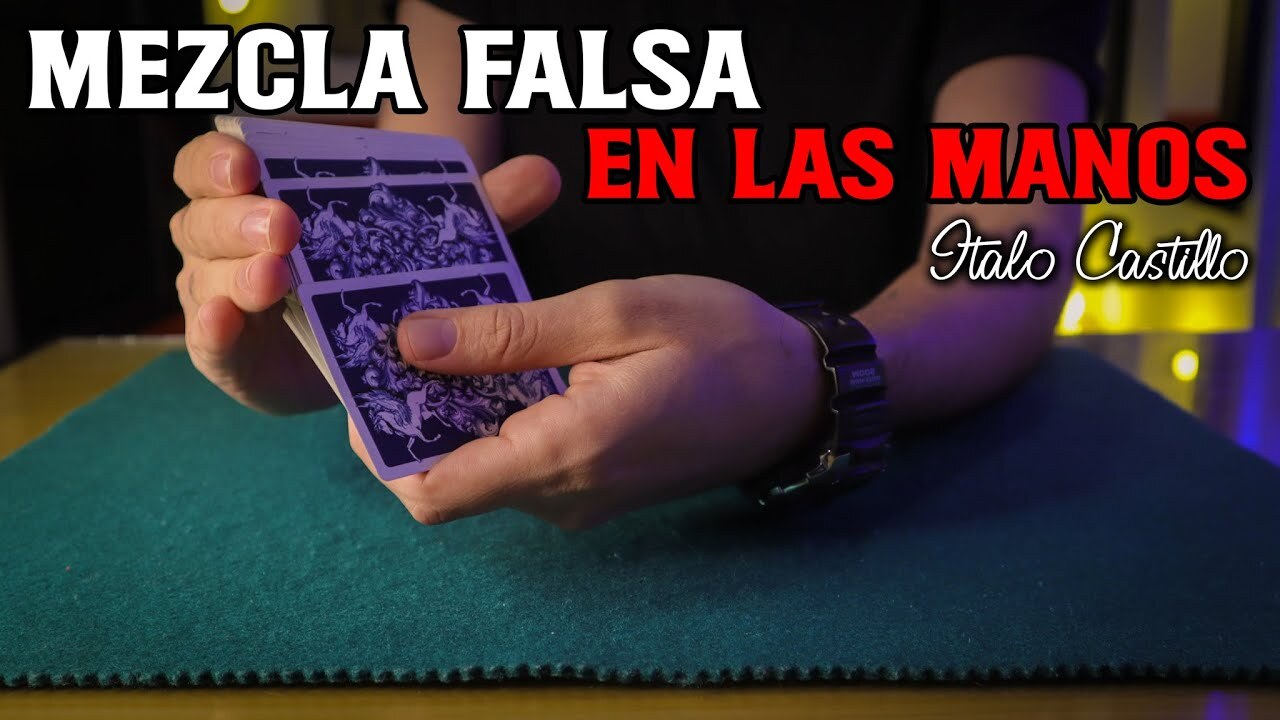
The false shuffle is a pivotal technique in the art of card magic, allowing magicians to maintain the order of cards while creating the illusion of a thorough shuffle. This technique is not merely a performance trick; it has deep historical roots and a critical role in modern card manipulation. Understanding and mastering false shuffles can greatly enhance a magician’s repertoire, ensuring that they maintain control over the game while captivating their audience.The historical significance of false shuffles in card magic dates back centuries, with their origins embedded in the craft of deception and entertainment.
Initially popularized in the realms of gambling and street performances, these techniques have evolved into a core component of card magic routines. Magicians began to realize the potential of performing false shuffles not only to maintain the order of cards but also to build suspense and engage the audience’s curiosity. This technique has been a vital tool for notable magicians throughout history, establishing its place as a fundamental aspect of the magician’s skill set.
Mechanics of a Flawless False Shuffle
To perform a flawless false shuffle, one must master the following mechanical aspects which collectively ensure the illusion of a genuine shuffle without altering the card order:
1. Grip and Hand Positioning
The initial grip of the cards is crucial. A proper grip ensures that the cards are held securely, allowing for manipulation without loss of control. The dominant hand should hold the deck in a dealing position, while the non-dominant hand assists in the movement.
2. The Shuffle Movement
The key to executing a false shuffle lies in the precise movements of both hands. The dominant hand performs the shuffle while the non-dominant hand maintains the original order. The cards must appear to intermingle while remaining in their original sequence.
3. Timing and Rhythm
Timing plays an essential role in the illusion. The magician should aim to synchronize their movements with engaging patter or visual cues to distract the audience from the mechanics of the shuffle.
4. Practice and Repetition
Continuous practice is necessary to achieve fluidity in the shuffling motion. Over time, muscle memory will develop, resulting in a seamless presentation that appears effortless to the audience.In mastering the false shuffle, the following points are critical:
- Begin practicing slowly to ensure that each movement is precise before gradually increasing speed.
- Record your practice sessions to self-evaluate and refine your technique based on playback.
- Seek feedback from peers or mentors within the magic community to gain insights into areas for improvement.
“Mastery of the false shuffle is not just about technique; it is about creating an engaging experience for the audience while maintaining control of the performance.”
The importance of practice and technique mastery cannot be overstated. A magician who is proficient in the mechanics of a false shuffle will not only enhance their performance but will also increase their confidence in executing complex routines. By dedicating time to practice, magicians can ensure that they are equipped to deliver captivating performances that leave a lasting impression on their audience.
Steps to Execute a Flawless False Shuffle
The false shuffle is an essential technique in card magic that allows the magician to create the illusion of shuffling the deck while maintaining the original order of the cards. Mastering this skill requires practice and attention to detail, but when executed correctly, it enhances the overall performance and maintains the illusion of randomness.To successfully perform a false shuffle, it is imperative to follow a methodical sequence of movements.
Each step contributes to both the deception and the control of the deck, ensuring the cards remain undisturbed. Below is a structured guide to help you master this technique.
Step-by-Step Guide to False Shuffle Execution
Understanding the precise movements involved in a false shuffle is crucial for achieving a seamless performance. The following steps Artikel the key actions, along with tips for maintaining control of the deck throughout the process.
- Grip the Deck: Start by holding the deck in your dominant hand with your fingers along one long edge and your thumb on the opposite side, ensuring a firm grip.
- Prepare for the Shuffle: Use your non-dominant hand to lift half of the deck upwards, creating a visible separation between the two halves.
- Begin the Shuffle: With your dominant hand, push the top half of the deck down towards the bottom half, mimicking the motion of a real shuffle.
- Maintain Control: While you press the two halves together, use your fingers to subtly guide the cards back into their original positions without revealing any movement.
- Complete the Illusion: Finish the motion by allowing both halves to meet at the center, ensuring no cards are out of place and the shuffle appears genuine.
Throughout these steps, maintaining control of the deck is paramount. Here are some additional tips to help you achieve a flawless execution:
- Practice Finger Placement: Ensure your fingers are positioned correctly to control the cards without drawing attention to your grip.
- Use Misdirection: Engage your audience with eye contact or dialogue to distract from the technical aspects of the shuffle.
- Vary Your Speed: Adjusting the speed of your shuffle can enhance its natural appearance; practice at different tempos to find what works best.
- Record Yourself: Watching recordings of your practice can help identify areas for improvement and build confidence in your performance.
By consistently applying these steps and tips, you will be able to execute a flawless false shuffle, elevating your card magic to new heights.
Common Mistakes to Avoid
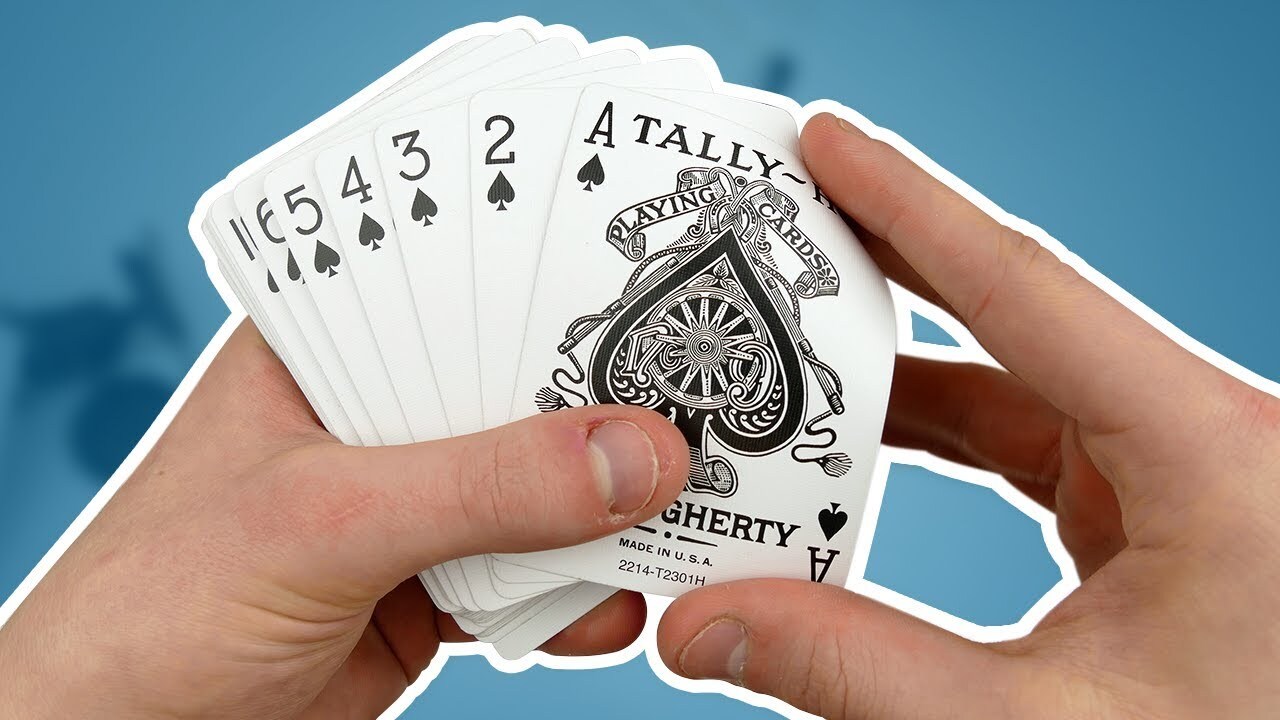
When executing a false shuffle, it is vital for performers to be aware of common pitfalls that can undermine their effectiveness. Beginners often find themselves making errors due to lack of experience or understanding of the technique. Recognizing and correcting these mistakes not only improves proficiency but also enhances the overall presentation of card magic. Several typical errors are frequently encountered by novices.
By identifying these mistakes early on, performers can take proactive measures to ensure their execution remains flawless.
Typical Errors in False Shuffle Execution
The following points Artikel common mistakes made by beginners and how to avoid them:
- Inconsistent Grip: A shaky or inconsistent grip on the cards during the shuffle can lead to unintended card movements, revealing the shuffle’s true nature. Maintaining a firm yet relaxed grip is essential for smooth execution.
- Poor Timing: Executing the shuffle too quickly or too slowly can draw unwanted attention. The timing should feel natural and integrated within the flow of the performance.
- Unintentional Reveals: Inadvertently revealing the bottom or top card during a shuffle can spoil the illusion. Practicing in front of a mirror can help in recognizing and adjusting any revealing actions.
- Neglecting Practice: Underestimating the importance of practice can lead to a lack of confidence during performances. Regular rehearsal is crucial for muscle memory and fluidity.
- Overcomplicating the Shuffle: Attempting to add too many flourishes or additional techniques can detract from the false shuffle’s effectiveness. Simplicity often enhances the illusion.
Recognizing these mistakes is the first step towards mastering the false shuffle. Regular practice and self-assessment can help in pinpointing specific areas for improvement.
“A flawless performance hinges not just on the techniques employed, but on the confidence and subtlety of execution.”
The impact of poor execution on overall performance can be significant. A well-executed false shuffle enhances the mystery and spectacle of card magic, while errors can disrupt the flow and diminish the audience’s engagement. A performer’s ability to maintain the illusion relies heavily on their attention to detail and commitment to perfecting their craft. Therefore, addressing common mistakes is crucial to achieving a polished and captivating performance.
Enhancing the Illusion of the Shuffle
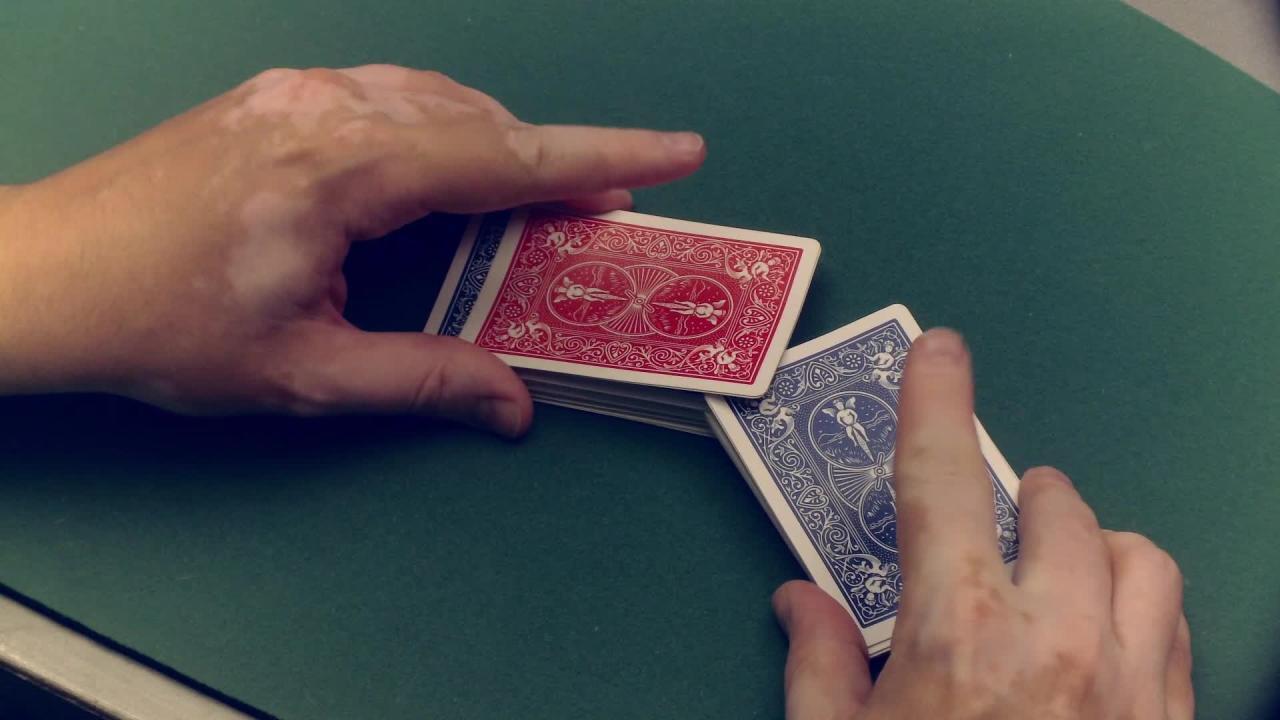
In the art of card magic, the ability to execute a false shuffle flawlessly is only one facet of a captivating performance. To truly engage an audience, it is vital to enhance the illusion of the shuffle through various techniques that distract spectators from what is actually occurring. This section focuses on methods to heighten the illusion, emphasizing the importance of presentation, patter, and visual cues that mislead observers effectively.
Distraction Techniques During the Shuffle
Successfully diverting the audience’s attention is crucial when performing a false shuffle. A well-timed distraction can enhance the illusion, making the shuffle appear genuine. Below are effective techniques to achieve this:
- Engaging Conversation: Initiate a light-hearted dialogue with the audience as you perform the shuffle. Use humor or anecdotes relevant to the context of the performance, ensuring that the spectators are focused on your words rather than the cards themselves.
- Gesture and Movement: Incorporate deliberate hand movements or gestures that draw the eye away from the cards. For example, a sweeping motion with the opposite hand can redirect focus at a pivotal moment in the shuffle.
- Eye Contact: Establishing and maintaining eye contact can create a connection with the audience, effectively leading their attention away from the mechanics of the shuffle. Shifting your gaze at critical moments can further enhance this effect.
The Role of Patter and Presentation
Patter, or the narrative that accompanies a magic performance, plays a fundamental role in enhancing the overall experience. Effective patter not only entertains but also serves to misdirect. Here are some key points regarding its importance:
- Building Suspense: Use your narrative to create suspense. As you lead the audience through the shuffle, incorporate elements of mystery that make them eager to see what happens next, rather than focusing on the shuffle itself.
- Creating Context: Frame the shuffle within a story or theme. For instance, if performing a card trick related to fortune telling, weave a tale that connects the shuffle to revealing one’s destiny, thus enhancing engagement and distraction.
- Reinforcement of Misconceptions: Employ language that reinforces the illusion that the cards are being thoroughly shuffled. Phrases such as “Let’s mix these up really well” can subconsciously lead audiences to believe in the authenticity of the shuffle.
Visual Cues to Mislead Spectators
Effective visual cues can significantly bolster the illusion of a false shuffle. By incorporating specific elements into your performance, you can mislead spectators and heighten their belief in the authenticity of your actions. Consider the following examples:
- Card Orientation: Changing the orientation of the cards when they are being shuffled can create an illusion that they are being genuinely mixed. For instance, turning the cards sideways briefly can confuse the audience regarding their arrangement.
- Reflective Surfaces: If performing in a setting with reflective surfaces, use these to your advantage. For example, positioning certain cards at an angle may create visual misdirection that causes the audience to perceive a different arrangement.
- Color Patterns: Employing cards of varied colors or designs can mislead spectators when they believe they see a specific sequence. For example, select cards with contrasting colors that appear to mix well, leading viewers to overlook the actual order.
“A magician is not just about the tricks—it’s about creating an entire experience that captivates and distracts.”
Practicing the False Shuffle
Mastering the false shuffle requires consistent practice and a well-structured routine. This phase is crucial for developing confidence and refining your technique to ensure seamless performances. A dedicated practice routine allows you to focus on different aspects of the shuffle, gradually building your skill set and ensuring that you execute the move with precision.A well-rounded practice routine should incorporate various methods to help track your progress and enhance your technique over time.
Regular practice not only builds muscle memory but also helps identify areas that require improvement. Documenting your practice sessions will provide valuable insights into your progress, allowing for targeted improvements.
Designing a Practice Routine
Creating an effective practice routine is essential in perfecting the false shuffle. Here are key components to include in your routine:
- Warm-Up Exercises: Begin your practice session with basic card handling exercises to loosen your fingers and improve dexterity.
- Technique Drills: Focus on the false shuffle technique itself, practicing slowly at first to ensure accuracy before gradually increasing your speed.
- Mirror Practice: Use a mirror to observe your hand movements. This allows you to self-correct and adjust your technique in real time.
- Recording Sessions: Record your practice sessions to review your performance later. This helps identify any inconsistencies or mistakes that need addressing.
Tracking Progress and Improving Technique
Monitoring your improvement is vital for sustained growth in your false shuffle execution. Here are effective methods for tracking your progress:
- Journaling: Maintain a dedicated journal to document your daily practice. Note what techniques you focused on, any difficulties faced, and particular improvements observed.
- Set Goals: Establish specific, measurable goals for each practice session. For instance, aim to execute a certain number of flawless shuffles within a set time frame.
- Feedback from Peers: Collaborate with fellow magicians or performers to receive constructive feedback. Their insights can provide an external perspective on your technique.
Practicing in Front of an Audience
Performing in front of an audience, even a small one, is essential for honing your false shuffle. Engaging with an audience introduces elements of performance that cannot be replicated in solitary practice. Here are reasons why practicing in front of others is beneficial:
- Real-Time Feedback: An audience can provide immediate reactions, helping you gauge the effectiveness of your shuffle and overall performance.
- Building Confidence: Regularly performing in front of others helps mitigate performance anxiety, ensuring you feel more at ease during actual performances.
- Adjusting to Distractions: Practicing in a live setting introduces potential distractions, which can help you develop the ability to maintain focus and execute flawlessly under pressure.
“Practice not only makes perfect; it makes permanent.”
Incorporating the False Shuffle in Performances
The effective use of a false shuffle in magic performances can enhance the overall impact of a routine. When executed with precision, it not only preserves the order of the cards but also adds an element of surprise for the audience. Understanding the right moments to employ this technique can significantly elevate the quality of a magic act.A false shuffle can be used strategically at various points throughout a performance.
It serves as a powerful tool to maintain control over the deck while simultaneously engaging the audience. The best opportunities to incorporate a false shuffle include transitions between effects, moments of audience interaction, or when building suspense before revealing a climax in the routine.
Effects and Tricks Benefiting from a False Shuffle
Several magic effects and tricks are particularly enhanced by the inclusion of a false shuffle. Utilizing this technique can maintain the illusion of randomness while keeping the necessary order of the cards intact. Below is a list of effects that benefit from incorporating a false shuffle:
- Card Control: A false shuffle allows for the preservation of key cards that are crucial to the success of card control effects.
- Card Prediction: Effective when the magician reveals a card that the spectator believes has been lost in the shuffle.
- Color Changes: When executing a color-changing effect, a false shuffle can disguise the initial setup.
- Card Vanish and Reappearance: The false shuffle provides cover during the process of making a card vanish or reappear.
- Ambitious Card Routine: Ensures that cards remain in the correct order while allowing for multiple stunning revelations.
Seamless Integration into Performance Flow
Integrating a false shuffle into a performance should be done smoothly to avoid drawing attention to the technique. It is important to practice the false shuffle until it becomes second nature, allowing you to focus on your presentation and audience engagement rather than the mechanics.A recommended approach to seamlessly incorporate the false shuffle includes the following strategies:
- Rehearsing with Patters: Develop a narrative or patter that naturally leads into the false shuffle, allowing it to feel organic.
- Building Suspense: Use the shuffle to heighten tension before revealing a significant moment in your act, creating anticipation.
- Distraction Techniques: Utilize misdirection to divert the audience’s attention while performing the false shuffle, ensuring they are focused on your words or gestures.
- Timing: Choose moments that enhance the flow of the routine. For instance, performing a false shuffle after a strong effect can help reset the audience’s expectations.
By mastering the art of the false shuffle and understanding its incorporation into performances, magicians can create more impactful and engaging experiences for their audience.
Advanced Variations of the False Shuffle
The realm of card magic is filled with countless techniques and variations, particularly when it comes to shuffling. Once a magician has mastered the basic false shuffle, the next step is to explore advanced variations that can enhance the effectiveness and creativity of their performances. These advanced techniques not only build upon the foundational skills of the false shuffle but also allow magicians to develop their own unique style, providing a fresh twist on traditional methods.Among the various advanced techniques, there are several noteworthy variations that can significantly elevate the illusion of shuffling while maintaining the order of the deck.
Each variation offers distinct advantages, allowing for personal expression and adaptation in performances.
Complex False Shuffle Techniques
Advanced false shuffles often incorporate additional movements or subtleties that add complexity to the basic shuffle. Below are some sophisticated techniques that have been expertly crafted by renowned magicians:
- Faro Shuffle: This technique interlaces two halves of the deck perfectly, creating a seamless illusion of mixing cards. While the Faro Shuffle can be challenging, it is a powerful method for maintaining card order while appearing to randomize the deck.
- Strip Shuffle: Involves removing sections of the deck while performing a false shuffle. This technique can create the appearance of a thorough shuffle while controlling key cards. The ability to manipulate groups of cards discreetly adds a layer of sophistication to the illusion.
- Tabled False Shuffle: A shuffle performed on the table that uses subtle finger movements to maintain order. This variation allows for greater visibility and can be combined with other techniques for a more dramatic effect.
Creating Unique Styles
Personalizing a false shuffle can significantly enhance its impact during performances. Magicians can experiment with different grips, movements, and timings to develop a unique style that resonates with their audience. The following elements can contribute to a distinctive false shuffle:
- Finger Placement: Adjusting finger positions can alter the perception of the shuffle. Subtle changes in grip can draw attention away from the controlled cards.
- Rhythm and Timing: Establishing a specific rhythm can create a hypnotic effect, making the shuffle more engaging. Synchronizing movements with verbal patter can enhance the overall presentation.
- Incorporating Flair: Adding flourishes or theatrical gestures can elevate the performance, captivating the audience and providing a stronger illusion of randomness.
Renowned Magicians’ Variations
Several magicians have made significant contributions to the art of false shuffles, each with their own innovative twists. Their unique interpretations have led to popular techniques that many aspiring magicians study and perform. Notable examples include:
- David Copperfield: Known for his elaborate performances, Copperfield often employs a combination of tabled false shuffles and advanced flourishes, captivating audiences with both skill and showmanship.
- Dai Vernon: Renowned as the “Man Who Fooled Houdini,” Vernon is credited with inventing various false shuffle methods that emphasize misdirection and subtlety, influencing countless magicians.
- Juan Tamariz: Tamariz’s approach often incorporates psychological subtleties, using the false shuffle not only as a technical move but also as a means of storytelling within his performances.
Incorporating these advanced variations and personal styles into one’s repertoire can significantly enhance the quality and creativity of card performances. By studying and adapting techniques from renowned magicians, practitioners can cultivate their own unique take on the art of the false shuffle, leading to more engaging and entertaining performances.
Resources for Further Learning
To enhance your mastery of card shuffling techniques, a variety of resources are available that cater to both beginners and advanced practitioners. These resources include books, online courses, video tutorials, and community forums designed for enthusiasts looking to refine their skills and share experiences.Books and courses focused on card shuffling techniques can provide foundational knowledge as well as advanced strategies.
The following list encompasses some noteworthy publications and courses that are highly regarded within the magic community:
Books and Online Courses
Books serve as a valuable tool for learning the intricacies of card manipulation and false shuffling methods. Online courses can also offer structured guidance with visual demonstrations. Here are some recommendations:
- The Royal Road to Card Magic by Jean Hugard and Frederick Braue – This classic text covers fundamental techniques, including shuffling methods.
- Expert Card Technique by John Grenier – A comprehensive guide that delves deeper into advanced shuffling techniques.
- Card College Series by Roberto Giobbi – A series of books that provides thorough instructions on various card techniques, including false shuffles.
- Online Course: Mastering Card Magic on platforms like Udemy or Skillshare – These courses often include video demonstrations and practice routines.
In addition to written resources, video tutorials can enhance your understanding of the mechanics behind the false shuffle. They provide visual cues and expert commentary on execution nuances.
Video Tutorials
Video tutorials are an excellent way to observe techniques in action. Many skilled magicians share their knowledge through platforms like YouTube, offering free access to diverse learning materials. Consider the following suggestions for video resources:
- Chris Ramsay’s Card Magic Tutorials
-Ramsay is known for his engaging teaching style and covers various shuffling techniques. - Brian Tudor’s Card Manipulation Series
-Tudor provides in-depth tutorials on false shuffles and other advanced card techniques. - Card Magic Masterclass with Michael Ammar
-Ammar’s videos focus on performance as well as technique, giving a well-rounded perspective. - Ellusionist’s Video Library
-A subscription service that grants access to numerous tutorials on card tricks and techniques, including shuffling.
Peer support can also significantly enhance your learning experience. Engaging with communities of like-minded individuals allows for the exchange of tips, tricks, and personal stories.
Forums and Communities
Participating in forums and online communities can foster a sense of belonging while providing access to a wealth of shared knowledge. Here are some platforms to consider:
- The Magic Café
-An online forum where magicians discuss various topics, including card techniques and false shuffles. - Reddit – r/Magic
-A subreddit dedicated to magic enthusiasts, where users share advice, experiences, and resources. - Ellusionist Forum
-A community focused on card magic, offering discussions and feedback on performances and techniques. - Facebook Groups
-Look for groups specifically dedicated to card magic; many experienced magicians share their insights in these spaces.
Wrap-Up

In conclusion, mastering the false shuffle is not merely about executing a technique; it is about weaving a story that captures and holds the audience’s attention throughout your performance. By practicing diligently, avoiding common mistakes, and incorporating advanced variations into your routines, you can make your magic more impactful and memorable. Embrace this skill, and bring an element of surprise and wonder to your card magic that will leave spectators astounded.