How to Force a Card on a Spectator (Easy Method) sets the stage for a captivating exploration into the fascinating world of card magic. This guide unveils the art of card forcing, a fundamental technique that enables magicians to create mesmerizing illusions that leave audiences in awe. By understanding the nuances of card forcing, performers can enhance their tricks, build rapport with spectators, and elevate their overall magic presentation.
In this discussion, we will delve into various methods for forcing a card, including beginner-friendly techniques, step-by-step procedures, and the psychological principles that underpin their effectiveness. Whether you are a novice magician or an experienced performer looking to refine your skills, this comprehensive overview offers valuable insights that will enrich your magical repertoire and engage your audience like never before.
Understanding Card Forcing Techniques
Card forcing is a fundamental technique in the realm of magic that allows a magician to control a spectator’s choice while creating the illusion of free will. This technique involves subtly guiding the spectator towards a predetermined card, ensuring that when they believe they have made an independent selection, they have, in fact, chosen the card that the magician intended all along.
Understanding card forcing is essential for any magician aiming to create impactful and memorable performances.
The importance of card forcing lies in its ability to maintain the illusion of choice while allowing the magician to steer the narrative in a desired direction. This technique not only enhances the overall performance but also builds trust and engagement between the magician and the spectator, as the latter feels involved in the process. By mastering card forcing techniques, magicians can effectively manipulate the outcome of tricks while ensuring that the audience remains captivated and entertained.
Contexts for Applying Card Forcing
Card forcing techniques can be utilized in various magical contexts, each offering unique opportunities for creativity and engagement. Some of these contexts include:
- Close-Up Magic: In intimate settings, such as small gatherings or one-on-one performances, card forcing allows a magician to create personalized experiences for spectators, increasing the impact of the trick.
- Stage Magic: On larger stages, card forcing can be employed in conjunction with other illusions, helping to build suspense and surprise as the expected outcome aligns with the pre-selected card.
- Street Magic: Street performances often rely on quick, engaging tricks that can be adapted to a spectator’s reactions. Card forcing provides an effective method for securing a desired outcome in unpredictable environments.
- Digital Magic: With the rise of virtual performances, card forcing can also be adapted to online magic shows, where the magician interacts with viewers through a screen but still creates the illusion of choice.
The versatility of card forcing makes it a valuable technique across different performance settings, demonstrating the magician’s skill in both execution and audience engagement. Mastering these techniques not only enriches the magician’s repertoire but also enhances the overall experience for the spectators, creating lasting impressions through effective misdirection and control.
Methods for Forced Card Selection

The art of card forcing is an essential skill for magicians, allowing them to control the outcome of a trick while maintaining the illusion of free choice. Understanding various methods for forced card selection enables performers, especially beginners, to engage their audience effectively. This segment Artikels some of the easiest methods for forcing a card, ensuring that even novice magicians can employ them with confidence.The following methods highlight specific techniques suitable for beginners and introduce classic approaches that have been successfully utilized by magicians throughout history.
Mastering these methods can enhance your performance and create a captivating experience for your audience.
Classic Forcing Techniques
Classic forcing techniques are foundational methods that have stood the test of time in the world of magic. These techniques not only simplify the card selection process but also provide a professional touch to your performances. Below are some well-known forcing methods:
- Simple Force: In this technique, the magician subtly guides the spectator to select a specific card from the deck. This is often achieved through a deliberate arrangement of cards, where the target card is placed in a position that the spectator is likely to choose.
- Slip Force: The slip force involves the magician slipping a specific card into the spectator’s hand while they are distracted. As they are unaware of the distraction, they believe they have freely chosen their card, making this an effective method for forced selection.
- Criss-Cross Force: This method requires the magician to present two halves of a deck in a criss-cross manner. The spectator is asked to select a card, and regardless of their choice, the magician manipulates the outcome. This technique cleverly misdirects the audience’s attention while maintaining control.
- Equivocation (The French Drop): This classic method involves using language and presentation to create the illusion of choice. By offering two options and ensuring that no matter which one the spectator picks, the outcome is predetermined. This requires careful wording and presentation to ensure success.
- Center Tear: The center tear is often used for mentalism acts but can be adapted for card forcing. The magician makes it seem as though the spectator is writing down their choice, but in reality, the magician retains control over the information. This method relies heavily on misdirection and subtle psychology.
Each of these techniques serves as a valuable tool in a magician’s repertoire, ensuring the performer can engage with their audience while seamlessly guiding them to the intended outcome. Practicing these methods will enhance a magician’s ability to execute card forces with precision and flair.
Step-by-Step Guide to a Simple Card Force
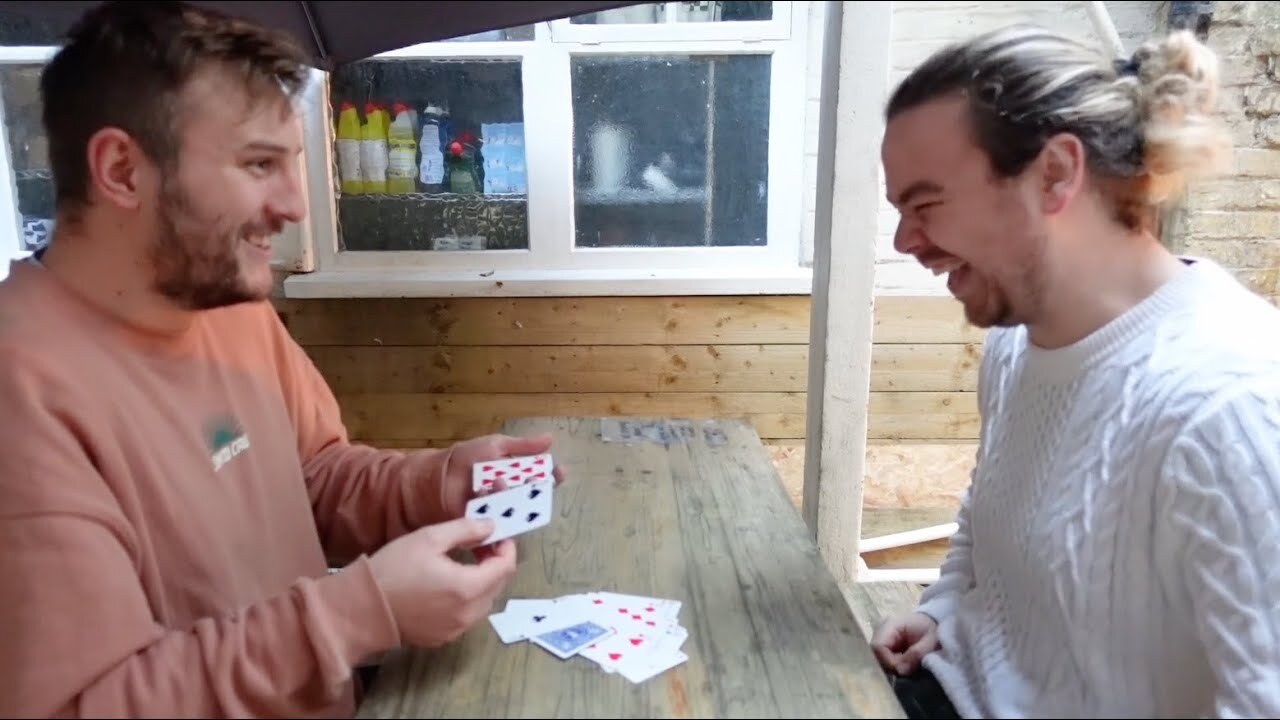
The act of forcing a card is an essential technique in magic that allows the magician to control the choice of a spectator while creating the illusion of free will. This simple guide will navigate through the steps necessary to perform a basic card force effectively, ensuring that your audience remains engaged and unaware of the method being employed. Understanding the significance of misdirection is crucial in executing a successful card force.
Misdirection helps divert the spectator’s attention, allowing the magician to manipulate the situation to their advantage. Below is a detailed procedure for executing an easy card force that incorporates these principles.
Detailed Procedure for Card Force Technique
To perform a simple card force, follow the steps Artikeld below. Each step is designed to enhance the effectiveness of the technique, ensuring a smooth and seamless performance.
1. Select a Card
Begin by having the spectator select a card from the deck. You can either allow them to draw a card freely or create the illusion of choice by subtly guiding them to a specific card.
2. Control the Card
Once the spectator has chosen a card, it is vital to control that card to the top of the deck. This can be accomplished through a simple shuffle where the chosen card is retained at the top.
3. Misdirection
At this point, engage the spectator by directing their attention away from the deck. You might state something interesting or ask them a question that requires their focus, allowing you to maintain control of the situation.
4. Reveal the Card
After ensuring the spectator’s attention is diverted, you can reveal the top card as the chosen one. This can be done through a dramatic gesture or by simply asking them to name their card as you flip over the top card.
5. Practice the Presentation
Rehearsing the entire routine is crucial. Ensure that your movements are natural and confident, as any hesitation may raise suspicion.The following points are essential in enhancing your performance of the card force:
- Maintain a casual demeanor while performing the force.
- Use patter (the magician’s dialogue) to keep the audience engaged and misdirected.
- Practice the technique in front of a mirror to refine your gestures and expressions.
- Ensure that you have a smooth transition from the force to the reveal, minimizing any delays.
“Misdirection is the magician’s most powerful tool, guiding the audience’s focus away from the method.”
Incorporating misdirection effectively during a card force enhances its success rate. By skillfully managing the audience’s attention, you can execute the technique without arousing suspicion. Always remember that a confident presentation combined with practiced techniques will yield the best results in your magic performances.
Practicing Card Forcing Techniques
Mastering card forcing techniques requires diligent practice and a deep understanding of the mechanics involved. Developing muscle memory and confidence in these techniques can significantly enhance a performer’s ability to entertain and amaze an audience. Regular rehearsal not only solidifies the movements but also allows magicians to refine their presentation skills, ensuring that they engage and captivate their spectators.Effective practice strategies are pivotal to ensuring that card forcing techniques become second nature.
To facilitate this mastery, it is recommended to rehearse in various scenarios that mimic real performance environments. This not only builds confidence but also helps to identify areas that may need improvement.
Effective Rehearsal Scenarios
Utilizing diverse rehearsal scenarios can enhance your card forcing skills by simulating different performance conditions. Consider the following effective practice tips:
- Rehearse in front of a mirror to observe your gestures and expressions, allowing for self-correction and refinement.
- Record practice sessions to review and analyze your techniques, identifying strengths and areas for improvement.
- Engage friends or family as practice spectators to provide feedback, which can greatly enhance your performance skills.
- Vary the environment where you practice; different settings can help you adapt to distractions and enhance your focus.
- Set specific goals for each practice session to target particular techniques or aspects of your performance.
Identifying and avoiding common mistakes is crucial in elevating the quality of your card forcing techniques. Beginners may inadvertently fall into certain pitfalls that can hinder their progress.
Common Mistakes and Avoidance Strategies
Understanding common missteps can prevent frustration and ensure a smoother learning curve. Here are frequent mistakes made by beginners and suggestions for avoiding them:
- Rushing through the technique: Take your time to ensure precision and clarity in your movements. Practice slowly before increasing speed.
- Neglecting the importance of misdirection: Focus on engaging your audience to shift their attention away from the mechanics of the force.
- Inconsistent practice: Regular rehearsal is essential; aim for shorter, more frequent practice sessions rather than infrequent, prolonged ones.
- Overcomplicating the technique: Start with simpler methods and gradually progress to more complex techniques as your skills improve.
- Failing to incorporate presentation: Remember that performance is about storytelling; integrate your card forcing techniques seamlessly into your overall presentation.
“The key to mastering card forcing techniques lies not only in the mechanics but also in the magician’s ability to connect with the audience.”
Enhancing Performance with Presentation Skills
The effectiveness of a card force performance extends far beyond the technical execution of the trick itself. Presentation skills are crucial in creating a memorable experience for the audience, transforming a simple card trick into an engaging narrative that captivates and entertains. By enhancing the way a card force is presented, performers can elevate their magic to a level that not only impresses spectators but also invites them into the world of wonder and mystery.Effective presentation techniques can play a vital role in engaging the audience during the card force trick.
A well-executed performance is characterized by a combination of charisma, storytelling, and audience interaction. The following techniques can help performers connect with their spectators and create an unforgettable experience:
Engagement Techniques During the Trick
To maintain audience interest and involvement, it is essential to use various engagement techniques. These techniques ensure that spectators remain focused and excited throughout the performance. Consider the following approaches:
- Eye Contact: Establishing eye contact creates a personal connection with the audience, making them feel included and engaged.
- Inviting Participation: Asking audience members to help with the trick fosters a sense of inclusion and excitement. This can be done by requesting a card choice or having someone shuffle the deck.
- Vocal Variety: Utilizing changes in tone, pitch, and volume can help emphasize key moments in the performance, drawing attention to the card force and building anticipation.
- Body Language: Confident and animated gestures can enhance the storytelling aspect, guiding the audience’s focus and heightening their emotional investment in the trick.
Creating a compelling narrative around the card force can significantly impact its overall effectiveness. A well-structured story not only entertains but also provides context that enhances the audience’s emotional response. Here are strategies to craft a narrative that complements the trick:
Narrative Creation for Impact
Building a narrative around a card force allows the performer to weave elements of intrigue and suspense into the trick. The following strategies can help in developing an engaging story:
- Establishing a Theme: Selecting a theme that resonates with the audience can make the performance more relatable. Themes such as mystery, adventure, or fantasy can elevate the storytelling experience.
- Building Suspense: Gradually revealing information or leading the audience to anticipate a twist can keep them emotionally invested. This can involve creating a scenario where the outcome seems uncertain until the final moment.
- Character Development: Introducing a character or persona can add depth to the narrative. This persona can guide the audience through the trick, making them feel as though they are part of a larger story.
- Connecting Emotionally: Sharing personal anecdotes or relatable experiences can create a bond with the audience, making them more receptive to the performance.
Incorporating these presentation skills and narrative techniques into a card force performance not only enhances the overall effectiveness of the trick but also leaves a lasting impression on the audience. By focusing on engagement and storytelling, performers can take their magic to new heights, transforming simple card tricks into extraordinary experiences.
Troubleshooting Card Forcing Issues

In the art of card magic, even the most seasoned performers occasionally encounter challenges when attempting to force a card on a spectator. Understanding these issues and having strategies at hand is crucial for maintaining confidence and control during a performance. This section delves into common challenges, strategies for overcoming skepticism, and backup plans to employ should a force fail.
Common Challenges Faced While Performing a Card Force
Several issues may arise during a card force, which can affect both the performer’s confidence and the audience’s perception. Recognizing these challenges allows you to prepare and adapt accordingly. Below are some common challenges:
- Inadvertent selections by the spectator: Spectators may accidentally select a card other than the intended one, disrupting the flow of the trick.
- Audience familiarity with techniques: With the rise of magic exposure on social media, audiences may recognize common forcing methods, leading to skepticism.
- Poor execution: Inconsistent handling or lack of practice can result in a force that does not appear seamless.
- Distraction: External factors or audience behavior may divert attention, making the force less convincing.
Strategies for Overcoming Audience Skepticism
To maintain the illusion and engage the audience, it is essential to address skepticism effectively. The following strategies can enhance your performance:
- Establish a strong narrative: Crafting a compelling story around the force can engage the audience and divert attention from the mechanics of the trick.
- Incorporate misdirection techniques: Use verbal or physical cues to redirect the audience’s focus away from the method while the force is executed.
- Build rapport with the audience: Creating a connection with your spectators fosters trust, making them more likely to accept the outcome of the performance.
- Practice confidently: Confidence in your performance can help mitigate skepticism, as audiences are more likely to believe in a performer who exhibits self-assuredness.
Examples of Backup Plans if a Force Fails During Performance
Even with the best preparation, there may be instances when a card force does not go as planned. Having backup plans can help salvage the performance and maintain audience engagement. Here are a few effective strategies:
- Switch to an alternative method: If a force fails, smoothly transition to an alternative card selection method that you are comfortable with, such as a card reveal that does not rely on a force.
- Use humor to diffuse tension: Making a light-hearted comment about the situation can ease any awkwardness and help re-engage the audience.
- Engage in audience participation: If the force fails, allow the spectator to choose a card freely and incorporate their selection into the performance, demonstrating adaptability.
- Have a pre-planned reveal: A surprising and well-rehearsed revelation can enhance the performance’s entertainment value, whether or not the initial force was successful.
The Psychology Behind Card Forcing

Understanding the psychological principles underlying card forcing can significantly enhance a magician’s effectiveness. By leveraging established psychological techniques, performers can guide spectators toward specific choices without them even realizing it. This subtle manipulation not only creates a compelling experience but also fosters a sense of wonder and amazement.Magicians must also pay keen attention to spectator behavior. Familiarity with the intricacies of human psychology can lead to improved outcomes in performances.
When a magician understands how people think, they can better anticipate and respond to their reactions, ultimately enhancing the overall experience. Additionally, building rapport with the audience is crucial, as a strong connection fosters trust and openness, making the audience more susceptible to the magician’s influence.
Understanding Spectator Behavior
Audience reactions can be predicted based on common psychological patterns. Recognizing these patterns allows magicians to tailor their performances effectively. Key behaviors to consider include:
- Expectation Management: Spectators often have preconceived notions about the magician’s abilities and the nature of magic. By managing expectations through careful wording and presentation, magicians can guide the audience’s focus.
- Social Proof: People tend to look to others for cues on how to behave. If a spectator sees their peers engaged and entertained, they are more likely to participate actively and relinquish control over their selections.
- Perception of Choice: When spectators believe they are making a free choice, they are more likely to accept the outcome. Magicians can create an illusion of freedom in their selections while skillfully leading them to a predetermined card.
Building Rapport with the Audience
Establishing a personal connection with spectators is vital for successful card forcing. Rapport enhances trust and opens the door to effective psychological influence. Several techniques can help in building this connection:
- Active Listening: Engage with spectators by actively listening to their comments and feedback. Acknowledging their responses fosters a sense of involvement and validation.
- Mirroring Body Language: Subtly mimicking the body language of the audience can create a sense of familiarity and comfort, making them more receptive to suggestions.
- Utilizing Humor: Light-hearted humor can break the ice and create a relaxed atmosphere, which encourages spectators to engage more freely with the performance.
Through understanding the psychology behind card forcing and effectively connecting with the audience, magicians can enhance their performances and create truly memorable experiences.
Resources for Further Learning
To enhance your skills in card forcing, a variety of resources are available, including books, instructional videos, online courses, and community forums. These resources can provide valuable insights, techniques, and support as you develop your card manipulation abilities. Whether you prefer reading, watching, or engaging with fellow magicians, the following recommendations will help you expand your knowledge and refine your skills.
Recommended Books
Books are an excellent way to gain in-depth understanding of card forcing techniques. Here are some highly regarded titles in the field of magic:
- The Royal Road to Card Magic by Jean Hugard and Frederick Braue – A classic that covers fundamental techniques, including card forces.
- Magic and Showmanship by Henning Nelms – This book emphasizes performance aspects that can enhance card forcing.
- Expert Card Technique by Jean Hugard – A comprehensive guide that delves into card manipulation with detailed explanations of various forces.
- Card College by Roberto Giobbi – A thorough series that covers card magic from basics to advanced techniques, including card forcing.
Instructional Videos and Online Courses
Video tutorials and online courses provide visual and practical learning experiences that can significantly improve your understanding of card forcing. Consider the following options:
- Masterclass by Penn & Teller
-Offers insights into various aspects of magic with a focus on performance. - Ellusionist and Theory11
-Both platforms provide high-quality instructional videos specifically on card forces and related techniques. - Udemy Courses on Card Magic
-Various courses available that cover card manipulation, including forces and performance tips.
Magician Communities and Forums
Joining magician communities can provide support and feedback as you practice your skills. Engaging with others in the field can lead to valuable friendships and mentorship opportunities. Here are some communities to explore:
- The Magic Café
-A vibrant online forum where magicians of all levels discuss techniques, performances, and share resources. - Reddit’s r/magic
-A subreddit dedicated to all things magic, offering discussions, advice, and support for magicians. - Facebook Groups
-There are many groups focused on card magic and performance, providing a platform to connect with other enthusiasts.
Finding Mentors and Workshops
Having a mentor or attending workshops can significantly accelerate your learning process. Here are ways to find opportunities to improve your card manipulation skills:
- Local Magic Clubs
-Many cities have magic clubs where experienced magicians share knowledge and offer workshops. - Magic Conventions
-Attending conventions such as the Magic Live or The Blackpool Magic Convention can provide networking opportunities with experienced magicians. - Online Mentorship Platforms
-Websites like Skillshare or even private sessions with professional magicians can provide personalized feedback and guidance.
“The art of magic is about communication and performance; understanding the psychology behind your tricks is as important as mastering the technique.”
Summary
In conclusion, mastering the art of card forcing can significantly enhance your magic performances, providing you with the tools to create unforgettable experiences for your audience. By practicing the techniques Artikeld and integrating the suggested presentation skills, you can overcome common challenges and elevate your card magic to new heights. Embrace the journey of learning, and remember that the essence of magic lies in captivating your spectators and sparking their imagination.