How to Force a Card with the Riffle Force is an intriguing exploration into the art of card magic, where the dexterity of the magician meets the psychology of the audience. This technique stands as a cornerstone in card manipulation, allowing magicians to subtly influence a spectator’s choice while maintaining the illusion of free will. With a rich history rooted in the evolution of magic performances, the Riffle Force showcases the intricate interplay between skill and presentation that captivates both novice magicians and seasoned professionals alike.
Understanding the mechanics behind the Riffle Force is essential for any magician looking to enhance their repertoire. This technique not only requires precise physical movements but also an understanding of how audience perception can be shaped. By mastering this force, performers can create more dynamic and engaging routines that leave lasting impressions.
Introduction to Riffle Force

The Riffle Force is a fundamental technique in the realm of card magic that allows a magician to control which card a spectator selects. It involves a specific way of riffling through a deck of cards while subtly guiding a participant towards a predetermined card. This method is cherished for its simplicity and effectiveness, making it a staple in many magicians’ repertoires.The Riffle Force has a rich history tracing back to the early days of card magic.
Originating in the late 19th century, it has evolved through performances by notable magicians who have contributed to its refinement. The technique gained popularity due to its visual appeal and the seamless manner in which it integrates into various routines. Today, it remains an essential skill for both amateur and professional magicians, enhancing the overall impact of card tricks.
Importance of the Riffle Force in Card Magic
The Riffle Force is a critical element in many card tricks, serving as a reliable method for achieving a desired outcome. Its application not only aids in the magician’s ability to control the card selection but also enriches the overall experience for the audience. By employing this technique, a magician can create an illusion of randomness while maintaining control over the performance.The effectiveness of the Riffle Force can be attributed to several key factors:
- Psychological Manipulation: The technique capitalizes on the spectators’ perception of choice, allowing them to feel involved in the process while the magician secretly directs their selection.
- Versatility: The Riffle Force can be seamlessly integrated into various routines, making it suitable for different types of performances, from close-up magic to stage shows.
- Visual Appeal: The act of riffling cards is inherently engaging, providing a dynamic visual element that captivates audiences and enhances the overall impact of the trick.
- Ease of Learning: For beginners, the Riffle Force is relatively straightforward to master, making it an accessible tool for those starting their journey in card magic.
The Riffle Force exemplifies the magician’s ability to blend skill with psychological insight, creating a captivating experience for spectators.
Mechanics of the Riffle Force
![Force a card! - Any Card! [2021] – Red Dragon Magic](https://rembugan.web.id/wp-content/uploads/2025/09/cross_cut_force-1.png "Force a card! - Any Card! [2021] – Red Dragon Magic")
The Riffle Force is a sleight of hand technique employed in card magic that allows a magician to control a chosen card while maintaining the illusion of a fair selection. This technique relies on a specific set of physical movements and an understanding of the psychological dynamics at play during the performance. By mastering the mechanics of the Riffle Force, magicians can effectively create a seamless and convincing trick that captivates their audience.The execution of the Riffle Force involves careful hand positioning and movement.
The magician begins by holding a deck of cards in one hand, typically the dominant hand, while the other hand is used to riffle through the cards. This action is crucial as it establishes a sense of randomness. The positioning of the cards is critical; the magician must maintain a subtle grip that allows for the selection of a specific card without drawing attention to the process.
A successful Riffle Force requires practice to ensure that the hand movements appear natural and fluid.
Physical Technique of the Riffle Force
The physical technique of the Riffle Force consists of several key movements that must be executed with precision. The following points Artikel the essential steps involved:
- Grip: Hold the deck in a vertical position using the thumb and middle finger, with the index finger resting lightly on the top of the deck. This grip helps control the cards and allows for a smooth riffle.
- Riffle: With the dominant hand, use the thumb to push the cards off the top of the deck while gently applying pressure with the middle finger. This motion should create a natural riffle sound, simulating a genuine shuffle.
- Card Selection: As you riffle through the cards, subtly apply pressure to the card you wish to force. The goal is to make it the only card that remains in the viewer’s line of sight when they are prompted to stop.
- Presentation: Once the spectator indicates the stop point, square the cards back together while maintaining the forced card on top. This final gesture should appear effortless and casual.
Understanding the psychology behind the Riffle Force is as important as mastering the physical technique. The magician’s confidence and the perception of randomness play crucial roles in the effectiveness of the force. The audience’s belief in the fairness of the selection process is influenced by their observations and the magician’s demeanor.
“The success of the Riffle Force lies not just in the mechanics but also in the magician’s ability to engage and misdirect the audience.”
When performed correctly, the Riffle Force can create a powerful illusion of choice, leading the audience to feel that they have freely selected a card, when in fact, it has been predetermined by the magician’s skillful manipulation. This blend of technique and psychological influence ensures a memorable experience for the spectators.
Step-by-Step Guide to Performing the Riffle Force
The Riffle Force is a powerful card manipulation technique that allows a magician to control the card chosen by a spectator while maintaining the illusion of randomness. Mastering this technique can significantly enhance your performance and add an element of surprise and intrigue to your magic routines. Below is a detailed step-by-step guide to executing the Riffle Force effectively.
Step-by-Step Procedure
The following steps Artikel the precise actions needed to perform the Riffle Force successfully. Each step is crucial for ensuring the effectiveness of the force and must be practiced thoroughly.
- Preparation of the Deck: Begin with a well-shuffled deck of cards. Familiarize yourself with the positioning of the cards you wish to force.
- Setting Up the Force: Hold the deck in your dominant hand. The thumb should rest on one side, while the fingers grip the other side securely.
- Creating the Riffle: Using your thumb, riffle through the cards, allowing a few cards to fall from the back of the deck. This motion should appear natural and casual.
- Controlling the Card: As you riffle, subtly stop at the card you intend to force. This is usually done by applying slight pressure to the card with your thumb, preventing it from falling completely out of the deck.
- Engaging the Spectator: Invite the spectator to say “stop” at any time during the riffle. When they do, ensure that they stop at the card you have controlled.
- Revealing the Card: After the spectator has stopped you, smoothly pull the forced card from the deck while maintaining a confident demeanor.
Practicing these steps will help you refine your technique. Below is a list of tips that can further improve your Riffle Force performance.
Tips for Practice and Improvement
Developing proficiency with the Riffle Force requires dedication and attention to detail. Consider the following tips to enhance your technique:
- Repetition: Regularly practice the Riffle Force in front of a mirror to observe your movements and ensure they look natural.
- Slow Motion: Initially perform the force in slow motion to get accustomed to the mechanics. Gradually increase your speed as you gain confidence.
- Vary the Setup: Experiment with different cards and scenarios to make the force feel spontaneous and less predictable.
- Record Yourself: Use video recordings of your practice sessions to analyze your technique and identify areas for improvement.
- Perform for Others: Practice in front of friends or family members to simulate real performance conditions and receive constructive feedback.
Mastering the Riffle Force can elevate your card magic to new heights, allowing for captivating performances that amaze your audience. Focus on the nuances of your movements and the psychological aspect of engaging your spectators to create a memorable experience.
Common Mistakes in the Riffle Force
When attempting the Riffle Force, beginners often encounter several pitfalls that can compromise the effectiveness of their performance. Understanding these common mistakes is crucial for improving one’s skills and ensuring a successful execution of this technique. This section will delve into frequent errors made by novices, how to troubleshoot these mistakes, and examples of what to avoid in order to enhance your proficiency with the Riffle Force.
Frequent Errors in Execution
Many beginners struggle with the Riffle Force due to a variety of execution errors. Recognizing and addressing these issues can lead to a more polished performance. Below are some common mistakes and suggestions for improvement.
- Mishandling of the Cards: Beginners often apply excessive pressure when riffling the cards, causing them to either stick together or fly apart uncontrollably. To correct this, practice maintaining a light grip while riffling the cards. This will allow for smoother movement and better control.
- Improper Angle: The angle at which the cards are held can significantly affect the visibility of the force card. Adopting an inappropriate angle can lead to the audience seeing more than intended. To improve, practice in front of a mirror or record yourself to adjust the angle for optimal concealment of the forced card.
- Inconsistent Timing: Timing is crucial during the Riffle Force. Beginners may either rush through the motion or linger too long on the force card. To troubleshoot this, develop a rhythm through repeated practice, ensuring that the timing feels natural and fluid.
- Neglecting Audience Awareness: Failing to engage with the audience can make the performance feel disconnected. It is important to maintain eye contact and incorporate fluid gestures that draw attention away from the mechanics of the force. Practicing your patter or presentation alongside the technique can help create a seamless experience.
Examples of What Not to Do
To further clarify common mistakes in the Riffle Force, the following examples highlight specific actions to avoid along with corrections that can enhance performance.
- Example of Excessive Pressure: A beginner applies too much force while riffling, causing cards to stick.
To correct this, practice with a gentle touch, allowing cards to flow smoothly.
- Example of Poor Angle Visibility: Holding the deck too high, leading to audience visibility of the force card.
Ensure the deck is angled towards the audience but slightly downward to obscure the card.
- Example of Rushed Timing: Quick riffling that results in confusion for the spectator.
Rehearse the motion slowly to foster a more deliberate and controlled presentation.
- Example of Disengagement: Performing the force without interaction, making it feel mechanical.
Incorporate storytelling or engaging commentary as you perform the technique to enhance connection.
By being aware of these common mistakes and actively working to rectify them, practitioners of the Riffle Force can significantly improve their execution and create a more engaging performance for their audience. Each adjustment contributes not only to the technical aspect of the trick but also to the overall entertainment value of the act.
Enhancing the Riffle Force with Presentation
The effectiveness of the Riffle Force is not solely dependent on the technical execution of the technique but also on how it is presented to the audience. Engaging storytelling, skilled misdirection, and stylistic flair are essential elements that elevate this card force from a mere trick to a captivating performance. These components can create a memorable experience for the audience, ensuring that they are not only amazed by the magic but also entertained by the presentation.Incorporating storytelling into the performance can significantly enhance the experience for the audience.
A well-crafted narrative not only engages the viewers but also provides a context for the magic, making it feel more personal and impactful. Here are key aspects to consider when integrating storytelling with the Riffle Force:
Utilizing Storytelling to Engage the Audience
A compelling story can capture the audience’s imagination and create an emotional connection, which enhances the overall impact of the performance. Here are some points to keep in mind:
- Choose a Relatable Theme: Select a theme that resonates with your audience, such as love, adventure, or mystery. Relatable themes help the audience become invested in the story.
- Develop Characters: Introduce characters that the audience can identify with or feel sympathy for. This adds depth and makes the performance more engaging.
- Incorporate the Card Choice into the Narrative: Weave the card selection into the story, explaining its significance within the context of the narrative. This enhances the importance of the chosen card.
- Use Emotion to Drive Engagement: Infuse your storytelling with emotional highs and lows, keeping the audience captivated and their attention focused on the performance.
Misdirection plays a pivotal role in the effectiveness of the Riffle Force, as it directs the audience’s attention away from crucial moments in the performance. Effective misdirection can be achieved through a variety of techniques:
Implementing Misdirection Strategies
Understanding how to guide the audience’s focus is crucial for the successful execution of the Riffle Force. Consider these strategies for effective misdirection:
- Verbal Misdirection: Use engaging dialogue or humor to divert the audience’s attention at critical moments. A well-timed joke can shift focus away from your hands.
- Gestural Misdirection: Incorporate gestures or movements that attract attention away from the method. This can include pointing to another area or performing an unrelated action.
- Eye Contact and Engagement: Maintain eye contact and engage with the audience. This can create a connection that keeps them focused on your words rather than your hands.
- Pacing and Timing: Control the rhythm of the performance. Slowing down or speeding up your speech can create moments that naturally draw the audience’s focus away from the technique.
Adding flair to your performance not only enhances the visual appeal but also contributes to the overall mystique of the Riffle Force. Here are some techniques to incorporate stylistic elements:
Enhancing Performance with Flair and Style
The visual and stylistic components of a magic performance can significantly influence how the Riffle Force is perceived. Consider these methods to infuse style into your act:
- Elegant Hand Movements: Practicing graceful and fluid hand movements can enhance the aesthetic quality of the force and create a sense of sophistication.
- Dynamic Presentation Style: Vary your tone, volume, and pacing during the performance. A dynamic presentation style keeps the audience engaged and adds excitement to the experience.
- Costuming and Props: Utilize costumes or props that align with the narrative theme. This can enhance the visual impact and contribute to the storytelling aspect of your performance.
- Engaging Stage Presence: Cultivating a strong stage presence through confidence and charisma can elevate the performance. A magician who believes in their narrative will better connect with the audience.
By thoughtfully combining storytelling, misdirection, and stylistic flair, magicians can significantly enhance the impact of the Riffle Force. These elements create a richer experience for the audience, transforming a simple card trick into a memorable and engaging performance.
Variations of the Riffle Force
The Riffle Force is a versatile technique that can be adapted in various ways to enhance its effectiveness and presentation in card magic. Understanding the different variations not only broadens a magician’s toolkit but also allows for creative expression in performances. Each variation has its own unique characteristics and can be selected based on the context of the performance or the preferences of the magician.One notable aspect of the Riffle Force is its adaptability.
While the traditional method relies on a specific execution, variations can adjust elements such as the grip, the angle of the riffle, and the number of cards involved. Below are several prominent variations of the Riffle Force, each offering distinct advantages and challenges.
Classic Riffle Force
The Classic Riffle Force involves a standard riffle shuffle where the magician forces a card by controlling the cards at a specific position. This is the foundational technique from which other variations are developed.
Modified Riffle Force
In the Modified Riffle Force, the magician alters the positioning of the cards slightly, which can make the force less predictable. This technique may involve using a different grip or varying the riffle speed, allowing for more natural looking shuffles.
Two-Handed Riffle Force
This variation utilizes both hands simultaneously to riffle through two halves of the deck. The advantage of this method is that it can create a more dynamic visual effect, engaging the audience more deeply. The magician can manipulate the cards more freely, potentially leading to unexpected outcomes.
Single-Hand Riffle Force
The Single-Hand Riffle Force focuses on executing the force using one hand, which requires more skill and dexterity. This method can create a more impressive display as it demonstrates the magician’s control over the cards while maintaining a clean presentation.
Table Riffle Force
In the Table Riffle Force, the cards are riffled on a flat surface, allowing for a different angle of presentation. This method can be particularly useful in close-up magic, where spectators are often positioned around the table.
Comparative Table of Riffle Force Variations
The following table summarizes the pros and cons of each variation of the Riffle Force for easy reference:
| Variation | Pros | Cons |
|---|---|---|
| Classic Riffle Force | Simple and effective; easy to learn. | May become predictable over time. |
| Modified Riffle Force | Increases unpredictability; adaptable to various settings. | Requires practice to master subtle changes. |
| Two-Handed Riffle Force | Creates dynamic visual appeal; engages audiences effectively. | Can be more difficult to execute flawlessly. |
| Single-Hand Riffle Force | Demonstrates skill and control; visually impressive. | Requires significant dexterity and practice. |
| Table Riffle Force | Ideal for close-up magic; provides a unique angle. | Limited to settings with a table; may restrict movement. |
Practical Applications of the Riffle Force
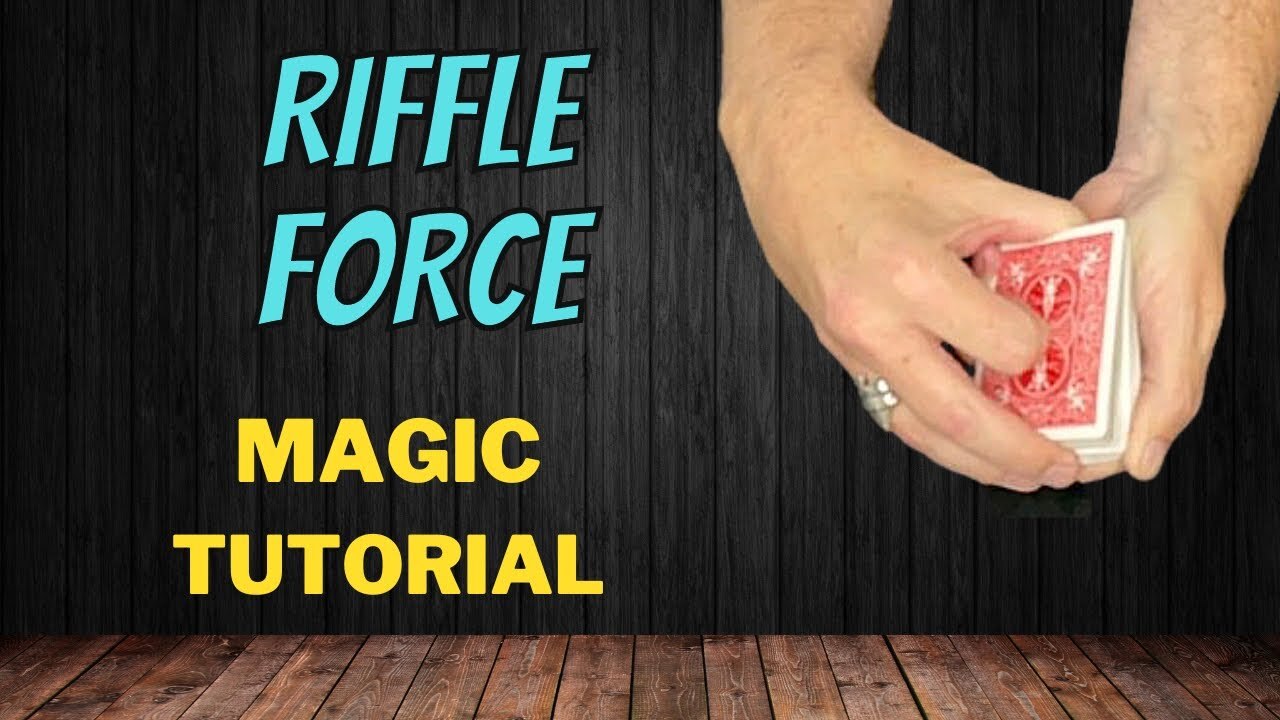
The Riffle Force is a fundamental technique in card magic that allows magicians to control a spectator’s choice in a seamless and deceptive manner. This force can be integrated into various routines and tricks, making it a versatile tool for performers seeking to enhance their presentations. Understanding the practical applications of the Riffle Force can elevate a magician’s performance and create memorable experiences for audiences of all types.The Riffle Force can be utilized in a variety of routines that require an element of surprise or choice.
It can seamlessly blend into both close-up and stage magic, making it suitable for intimate gatherings or larger performances. By following established patterns and incorporating engaging narratives, magicians can effectively use this technique to astonish their audiences. Below are some examples of routines where the Riffle Force is prominently featured.
Routines and Tricks Incorporating the Riffle Force
Several magic routines are well-known for utilizing the Riffle Force to create impactful moments. These include:
- Card to Pocket: In this classic effect, a spectator freely selects a card, which is then found in the magician’s pocket. The Riffle Force can be skillfully integrated to ensure the chosen card is the one the magician desires.
- Invisible Deck: This effect relies on the magician’s ability to predict a spectator’s choice. By using the Riffle Force, the magician can maintain control over the selection while introducing an element of randomness.
- Three Card Monte: A street magic staple, this routine often incorporates the Riffle Force to misdirect the audience while keeping the actual chosen card hidden until the final reveal.
Famous Magicians Using the Riffle Force
Numerous renowned magicians have effectively employed the Riffle Force in their performances, showcasing its versatility and effectiveness. Prominent figures include:
- Dai Vernon: Known as the “man who fooled Houdini,” Vernon incorporated the Riffle Force in many of his routines, demonstrating its elegance and simplicity.
- Fred Kaps: This legendary magician was noted for his engaging card routines that often utilized the Riffle Force to enhance the spectator’s experience.
- David Copperfield: In his grand illusions, Copperfield has utilized the Riffle Force to create moments of wonder and surprise, captivating audiences worldwide.
Adapting the Riffle Force for Different Audiences
The adaptability of the Riffle Force makes it suitable for various audience types, from children to adults. Understanding the audience’s preferences is critical in tailoring the performance to maximize engagement. Here are some considerations for adapting the Riffle Force:
- Children’s Magic: For young audiences, incorporating storytelling elements and colorful cards can enhance the effectiveness of the Riffle Force. Engaging narratives can keep children captivated and involved in the performance.
- Adult Audiences: For a more sophisticated audience, using psychological subtleties and complex narratives can elevate the performance. The Riffle Force can be seamlessly integrated into routines that have deeper themes or involve humor.
- Cultural Sensitivity: When performing for diverse audiences, it’s crucial to consider cultural nuances. Tailoring the presentation style and dialogue to align with the audience’s cultural background can enhance receptivity to the Riffle Force.
Resources for Further Learning
The mastery of the Riffle Force, like many techniques in card magic, is greatly enhanced by continuous learning and practice. Exploring diverse resources can provide valuable insights and refine one’s skills. Whether through books, online courses, or community engagement, these resources are essential for any magician aiming to excel in card manipulation.Educational materials play a significant role in developing a robust understanding of the Riffle Force and card magic techniques.
A combination of theoretical knowledge and practical application is critical for success.
Books on Card Magic and the Riffle Force
Numerous books are available that delve into the intricacies of card magic, including the Riffle Force. These texts offer structured guidance and expert techniques that can significantly improve a magician’s repertoire. Some noteworthy titles include:
- The Royal Road to Card Magic by Jean Hugard and Frederick Braue – A classic resource that covers foundational techniques and principles of card magic.
- Card College by Roberto Giobbi – A comprehensive series that provides in-depth instruction on various card techniques, including the Riffle Force.
- Magic and Showmanship by Henning Nelms – This book emphasizes the presentation aspect, crucial for enhancing card tricks and engaging an audience.
Online Courses and Video Tutorials
The digital age has made learning card magic more accessible than ever. Several platforms offer online courses and video tutorials that cover the Riffle Force and other card techniques. These resources often include visual demonstrations, allowing learners to observe the mechanics in action. Notable platforms include:
- Ellusionist
-Offers a variety of video tutorials specifically focused on card magic, including the Riffle Force. - Skillshare
-Features courses taught by experienced magicians, covering various tricks and techniques, including card manipulation. - Penguin Magic
-Provides instructional videos from a range of magicians, focusing on specific techniques and performances.
Importance of Mentorship and Community
In the journey of mastering card magic, mentorship and community support are invaluable. Engaging with experienced magicians can provide personalized guidance, feedback, and encouragement. Mentorship fosters a deeper understanding of techniques and presentation skills. Communities, both online and offline, offer platforms for sharing experiences, challenges, and successes.
Forums and Groups for Practicing the Riffle Force
Participating in forums and groups dedicated to magic can enhance one’s learning experience. These platforms allow magicians to connect, share insights, and practice techniques such as the Riffle Force. Some popular forums and groups include:
- The Magic Café
-An online community where magicians can discuss techniques, share performances, and seek advice. - r/Magic on Reddit – A subreddit dedicated to magic where users can share their experiences and learn from one another.
- Local Magic Clubs
-Many cities have clubs where magicians can gather to practice together, share ideas, and perform in front of peers.
Closure
In conclusion, mastering How to Force a Card with the Riffle Force opens up a world of possibilities in card magic, allowing magicians to weave compelling narratives and engage their audiences effectively. The combination of technique, practice, and creativity enables performers to diversify their acts while minimizing common pitfalls. As you refine your skills in this classic technique, remember that the essence of magic lies not just in the trick itself, but in the unforgettable experience you create for your spectators.