How to Make a Coin Jump from One Hand to the Other is a classic magic trick that enchants audiences with its simplicity and elegance. Coin tricks have a rich historical background, captivating both performers and spectators for centuries. The ‘Coin Jump’ trick stands out as a significant favorite among magicians, offering not only a visual spectacle but also a gateway for beginners to delve into the art of magic.
This guide aims to equip learners with the essential skills and techniques to master this captivating trick.
Within these pages, you will find a comprehensive Artikel of the necessary materials, fundamental techniques, and advanced variations that will elevate your performance. Whether you are a novice seeking to impress friends or an experienced magician looking to refine your craft, this resource will provide the insights needed for success.
Introduction to the Coin Jump Trick
The art of coin manipulation has a rich history that dates back centuries, enchanting audiences with its blend of skill, dexterity, and illusion. Coin tricks have evolved from simple sleight-of-hand acts in ancient times to sophisticated performances seen in modern magician shows. This evolution signifies not only the advancement in techniques but also the continuous fascination people have with the seemingly impossible.The ‘Coin Jump’ trick holds a special place within the realm of magic due to its ability to mesmerize spectators with an illusion of effortless movement.
This trick showcases the magician’s skill in misdirection and control, allowing a coin to appear to leap from one hand to another without any visible means of transport. The significance of this trick extends beyond mere entertainment; it serves as a foundational exercise for aspiring magicians, honing their skills in dexterity and audience engagement.Mastering the Coin Jump trick aims to achieve several objectives, including developing hand coordination, understanding the principles of misdirection, and creating a captivating narrative during a performance.
By perfecting this trick, a magician not only impresses their audience but also lays the groundwork for more advanced techniques. The ability to seamlessly transfer a coin between hands exemplifies the essence of magic—transforming the ordinary into the extraordinary.
Historical Background of Coin Tricks
Coin tricks can be traced back to ancient civilizations where they were often used for entertainment in marketplaces and royal courts. Historical records indicate that magicians, known as conjurers, performed impressive feats involving coins to captivate their audiences. The craft became more refined during the Renaissance, with notable figures such as the famous magician Jean Eugène Robert-Houdin paving the way for modern magic performances.The significance of coin tricks in the history of magic cannot be understated.
They served not only as entertainment but also as a means of storytelling, often illustrating themes of wealth, power, and illusion. As the craft continued to develop, various techniques emerged, allowing magicians to create more complex and engaging performances. Today, the Coin Jump trick remains a fundamental part of magic training, symbolizing the foundational skills needed to master the art of illusion.
Objectives of Learning the Coin Jump Trick
Understanding the objectives behind mastering the Coin Jump trick is crucial for any aspiring magician. This trick provides practical benefits that enhance overall performance abilities:
- Enhancing Dexterity: The Coin Jump trick requires precise hand movements and coordination. Practicing this trick helps develop fine motor skills essential for various magic tricks.
- Improving Misdirection Techniques: Learning to perform the Coin Jump effectively teaches magicians to direct audience attention away from the actual mechanics of the trick, a skill crucial for all forms of magic.
- Building Confidence: Performing the Coin Jump trick in front of an audience fosters confidence in a magician’s ability to perform and connect with spectators, increasing their overall stage presence.
- Creating Engagement: The visual appeal of the Coin Jump trick captivates audiences, making it an excellent tool for engaging viewers and keeping their attention focused on the performance.
- Foundational Skill Development: Mastering the Coin Jump sets the stage for learning more advanced sleight-of-hand techniques, allowing magicians to expand their repertoire significantly.
Learning the Coin Jump trick is not just about the trick itself; it encompasses a broader journey into the world of magic, where skill, presentation, and audience engagement converge to create enchanting experiences.
Required Materials for the Coin Jump Trick
To perform the Coin Jump Trick effectively, having the right materials is essential. This trick relies heavily on the proper selection of coins and the environment in which it is executed. The following components will help ensure a smooth performance and successful execution of the trick.
Essential Items Needed for the Trick
It is crucial to gather the necessary items before attempting the Coin Jump Trick. This ensures that you are well-prepared and can focus solely on mastering the technique. The following list Artikels the essential materials required:
- A Coin: The primary item needed for the trick. A medium-sized coin, such as a quarter or a half-dollar, is generally recommended for ease of handling and visibility.
- Practice Space: A comfortable and clutter-free area where you can practice without distractions. This space should allow for both seated and standing positions.
- Good Lighting: Adequate lighting is essential to make the coin visible to your audience. Natural light or a well-placed lamp can significantly enhance visibility.
- A Mirror: A full-length mirror can be beneficial for practicing your performance. It allows you to observe your hand movements and ensure that the trick appears seamless.
Choosing the Right Type of Coin
Selecting the appropriate coin can greatly influence the success of the trick. The weight, size, and design of the coin should be considered carefully to optimize performance.
- Weight: Heavier coins, like half-dollars, provide a satisfying feel when manipulated, making them easier to control during the trick.
- Size: A medium-sized coin allows for better visibility and grasp. Coins that are too small may be difficult to handle, while those that are too large can be cumbersome.
- Design: A coin with a distinct design can capture the audience’s attention. Consider using coins that are easy to differentiate, especially if you plan to perform multiple tricks involving various coins.
Recommendations for Practice Space and Lighting Conditions
Creating an optimal practice environment is key to developing your skill and confidence in performing the Coin Jump Trick.
- Quiet Environment: Choose a location free from noise and interruptions. This allows for focused practice and helps you concentrate on your technique.
- Spacious Area: Ensure that your practice space has enough room for wide hand movements. This helps prevent accidental collisions with furniture or other obstacles.
- Lighting Conditions: Practice in well-lit areas to clearly see the coin and your hand movements. Avoid shadows that may obscure visibility. A bright, direct light source will enhance the overall quality of your performance.
Basic Techniques for Coin Handling
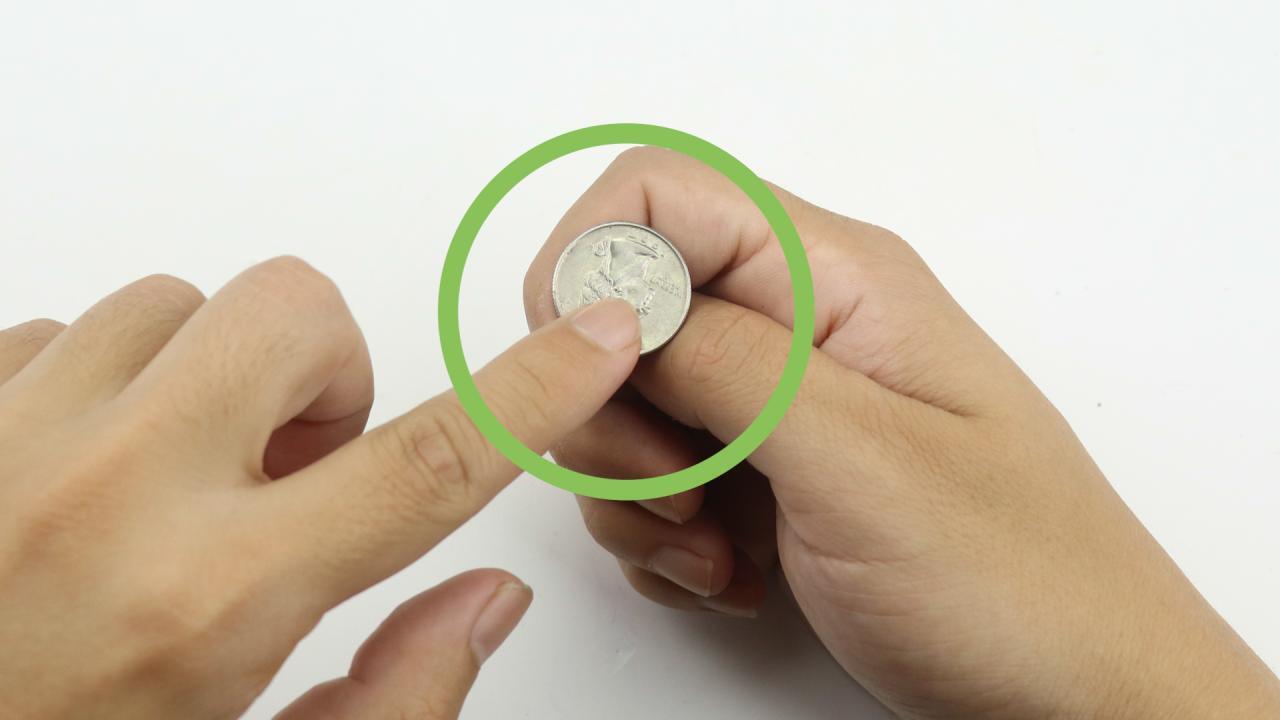
Coin handling is an essential skill for performing the Coin Jump Trick effectively. Mastering these fundamental techniques enhances not only the presentation of the trick but also the overall magician’s dexterity and confidence. The ability to manipulate coins fluidly is crucial in creating the illusion that the coin is jumping from one hand to the other.The significance of finger dexterity and grip strength cannot be overstated in the art of coin manipulation.
Finger dexterity allows for precise movements and transitions, while grip strength ensures that the coin can be held securely during the performance. Together, these attributes contribute to the seamless execution of the trick, making it believable and entertaining for the audience.
Essential Skills for Coin Manipulation
To enhance your coin handling skills, it is important to focus on specific techniques that improve both dexterity and control. Below are key areas to practice:
- Finger Isolation: Developing the ability to move each finger independently is vital for precise control of the coin. Practice moving one finger at a time while keeping the others still, gradually increasing speed and accuracy.
- Palming Techniques: Learning how to palm a coin discreetly is crucial. Start by holding the coin in your dominant hand, using the base of your fingers to conceal it. Practice transitioning between palming and displaying the coin to enhance your fluidity.
- Coin Rolls: Rolling the coin across your fingers helps develop dexterity. Place the coin on your fingertips and practice rolling it from one finger to the next. This exercise builds finger strength and improves coordination.
- Finger Strength Exercises: Utilizing exercises such as squeezing a stress ball or using grip trainers will increase your grip strength. Incorporate these exercises into your routine to enhance your ability to hold and manipulate the coin effectively.
“The mastery of coin manipulation is not merely a display of skill but an embodiment of the magician’s ability to create wonder through precision.”
Practicing these techniques regularly will significantly improve your coin handling skills, enabling you to perform the Coin Jump Trick with greater ease and effectiveness. As your dexterity and grip strength increase, so too will your confidence in showcasing this captivating illusion.
Step-by-Step Procedure for Performing the Coin Jump
The Coin Jump trick is a classic illusion that captivates audiences with its seemingly magical nature. This section provides a comprehensive guide to performing the trick, breaking down each movement into clear, sequential steps for effective learning. Mastering these steps will not only help you execute the trick smoothly but also enhance the overall visual appeal.
Detailed Movements Involved in the Coin Jump Trick
To successfully perform the Coin Jump, one must understand the essential movements that create the illusion of the coin jumping from one hand to the other. Below is a step-by-step guide outlining these movements:
1. Preparation
Begin by holding the coin in your dominant hand, ideally between your thumb and forefinger. Ensure your grip is secure yet subtle, as the audience should be unaware of the coin’s exact position.
2. Initial Gesture
Extend your non-dominant hand toward your audience. Open it slightly, palm facing up, to create anticipation. Your dominant hand should remain near the non-dominant hand, creating a visual connection.
3. The Transfer Motion
With a swift yet controlled movement, bring your dominant hand down toward the non-dominant hand.
As you approach, pretend to drop the coin into your non-dominant hand. Here, the key is to perform a sleight of hand by retaining the coin between your thumb and index finger of the dominant hand, allowing the audience to believe the coin has transitioned.
4. Creating the Illusion
Immediately after simulating the drop, close your non-dominant hand as if it has caught the coin.
This action should be accompanied by a confident upward motion of your non-dominant hand to emphasize that the coin has been successfully transferred.
5. The Reveal
Open your non-dominant hand slowly, revealing that the coin is not present.
Now, discreetly reveal the coin from the dominant hand, creating the final effect of the coin having “jumped” to the other hand.
6. Practice the Timing
The effectiveness of the Coin Jump relies heavily on timing.
Rehearse the transition to ensure that your movements appear fluid and natural, maintaining eye contact with your audience to enhance engagement.
This sequence of movements is crucial for executing the Coin Jump trick successfully. Mastering these steps will enable you to create a captivating performance that leaves your audience in awe. Be mindful of your hand movements and maintain a confident demeanor to elevate the overall illusion.
Common Mistakes and Troubleshooting
The art of performing the Coin Jump Trick can be both exciting and challenging for beginners. However, it is common for newcomers to encounter several pitfalls during practice and performance. Understanding these frequent mistakes and learning how to address them will greatly enhance one’s ability to execute the trick successfully.Many beginners tend to struggle with specific aspects of the Coin Jump Trick, which can hinder their overall performance.
Below are some of the most common errors encountered, along with effective strategies for improvement.
Frequent Errors in Execution
Learning to recognize and correct common errors is essential for mastering the Coin Jump Trick. Below are some typical mistakes that beginners may experience:
- Insufficient Grip on the Coin: A loose grip can cause the coin to fall or slip, disrupting the illusion of it jumping from one hand to the other.
- Poor Timing of the Flick: Timing is crucial. An awkward flick can lead to an awkward movement of the coin, making the trick less convincing.
- Inconsistent Hand Positioning: If the hands are not positioned correctly or do not mirror each other, the illusion is compromised.
- Lack of Practice: Insufficient rehearsal can lead to hesitation during the performance, making the trick appear less fluid and natural.
Solutions and Adjustments for Improvement
To effectively tackle these common mistakes, consider the following solutions that can enhance your technique:
- Practice Grip Strength: Use different coins during practice to strengthen your grip and become accustomed to handling various weights and sizes.
- Perfect Timing: Slow down the flicking motion during practice until it becomes second nature. Gradually increase speed as confidence builds.
- Consistent Hand Positioning: Stand in front of a mirror while practicing to ensure your hand positions are symmetrical and aligned correctly throughout the trick.
- Regular Rehearsal: Set aside time each day to practice the trick until it feels automatic, allowing you to focus on performance rather than technique.
Examples of Mistakes and Corrections
Identifying specific scenarios where mistakes may occur can provide clarity on how to adjust techniques. Commonly, during the initial flick, many novices may inadvertently drop the coin. This can be corrected by:
Ensuring a firm grip and practicing the flick motion separately before integrating it into the overall trick.
Another frequent issue arises when the coin appears to “jump” too high or not at all, leading to a failed illusion. This can be remedied by:
Focusing on the angle and force of the flick, aiming for a controlled upward motion that allows the coin to glide smoothly.
By addressing these common pitfalls with practical solutions, beginners can refine their skills and deliver a more polished performance of the Coin Jump Trick.
Enhancing the Performance with Presentation Tips

Mastering the techniques of the coin jump trick is only part of the equation for captivating your audience. The presentation plays a crucial role in transforming an ordinary magic trick into an extraordinary experience. A well-crafted performance leverages storytelling, audience engagement, and the creation of suspense to leave a lasting impression. Engaging your audience through storytelling not only provides context to your trick but also allows spectators to connect with the performance on a personal level.
Good magic often tells a story that captivates the audience’s imagination, creating a shared experience that enhances the overall impact of the trick. Here are some approaches to strengthen the narrative aspect of your performance:
Storytelling and Audience Engagement
A compelling narrative can elevate a magic trick from mere illusion to a memorable event. Consider the following strategies for integrating storytelling into your performance:
- Establish a Theme: Choose a theme that resonates with your audience. Whether it’s a classic tale of adventure or a whimsical fantasy, a relatable theme can draw your audience in.
- Character Development: Introduce characters or personas throughout your performance. This could be a fictional magician, an eccentric inventor, or even a historical figure. Engaging characters make the story more relatable and entertaining.
- Emotional Connection: Share personal anecdotes or experiences related to the trick. This creates an emotional bridge between you and your audience, making the trick more meaningful.
Creating suspense and excitement is vital in maintaining the audience’s interest. A few techniques can help build anticipation throughout your trick:
Creating Suspense and Excitement
Building suspense enhances the dramatic effect of your performance, leaving the audience on the edge of their seats. Consider implementing the following techniques:
- Slow Reveal: Gradually disclose information about the trick, allowing the audience to speculate on the outcome. This technique encourages their engagement and keeps their attention focused.
- Use of Misdirection: Incorporate misdirection cleverly to maintain the illusion. By directing the audience’s focus elsewhere, you heighten the surprise when the coin jumps from one hand to another.
- Dramatic Pauses: Strategic pauses during your performance can amplify tension, making the eventual reveal more impactful. Timing is crucial; a well-placed pause can create a moment of wonder.
Personalizing your performance is an effective way to connect with your audience, making your magic feel more intimate and relevant. Here are some suggestions:
Personalizing the Performance
Tailoring your presentation to resonate with your audience can significantly enhance their enjoyment and engagement. Consider these personalization techniques:
- Know Your Audience: Research your audience demographics and interests. Tailoring your narrative to include references or jokes that resonate with them builds rapport.
- Incorporate Audience Participation: Allow audience members to partake in the trick. This not only makes them feel included but also adds an element of surprise to your performance.
- Utilize Local Culture: Integrate aspects of local culture or current events into your storytelling. This makes your performance feel timely and relevant to those watching.
By focusing on storytelling, creating suspense, and personalizing your magic performance, you can significantly enhance the impact of the coin jump trick. These presentation tips not only make your act more engaging but also forge a memorable experience for your audience.
Advanced Techniques and Variations

The coin jump trick, while captivating in its basic form, can be elevated through advanced techniques and variations that enhance both technical execution and audience engagement. Experienced magicians often seek to refine their skills and incorporate unique twists that challenge both their dexterity and the perceptions of seasoned spectators. This section will explore complex methods and creative variations that can add depth to your coin jump performance, as well as a comparison of the different styles of this enchanting trick.
Complex Methods for Executing the Coin Jump
Advanced coin jump techniques often require a greater level of skill in sleight of hand and misdirection. Mastering these methods can significantly increase the impact of the performance. Here are a few noteworthy techniques:
- Palming Techniques: Utilizing various forms of palming, such as the classic palm or finger palm, allows for discreet movement of the coin between hands, enabling a smoother transition that appears magical.
- False Transfers: This technique involves convincingly pretending to transfer the coin to the other hand while retaining it in the original hand. A well-executed false transfer can leave audiences baffled.
- Switching with a Second Coin: Introducing a second coin during the performance can create an element of surprise. By secretly placing the second coin into the palm during the jump, you can astonish the audience with an unexpected outcome.
- Back Palming: This technique involves holding the coin behind the back, allowing for a dramatic reveal as you switch hands. Proper practice is essential to ensure fluidity and avoid detection.
Variations to Surprise Seasoned Audiences
Incorporating variations into the coin jump can rejuvenate the trick and keep it fresh, especially for those familiar with its standard execution. Here are several creative options:
- Multiple Coin Jumps: Adding more than one coin to the routine can provide a visually stimulating experience. Performing simultaneous jumps with various coins increases complexity and audience engagement.
- Audience Participation: Inviting a spectator to assist in the performance can enhance the interaction. This could involve having them hold one of the coins, amplifying the surprise when the jump occurs.
- Environmental Factors: Performing the trick in different settings, such as outdoors, can change the dynamics. Utilizing natural light or contrasting backgrounds can create stunning visual effects.
- Storytelling Elements: Weaving a narrative around the coin jump can enhance the emotional impact. By creating a storyline that ties into the performance, you can captivate your audience on multiple levels.
Comparison of Different Styles of the Coin Jump Trick
The coin jump trick can be executed in various styles, each with distinct characteristics. Understanding these styles can help performers choose the most effective approach for their audience.
| Style | Description | Difficulty Level |
|---|---|---|
| Classic Coin Jump | Traditional execution with minimal techniques, focusing on clear visibility of the coin. | Beginner |
| Advanced Palming | Incorporates sophisticated palming techniques for seamless transitions. | Intermediate |
| Interactive Performance | Engages the audience through participation and storytelling, enhancing the overall experience. | Advanced |
| Visual Effects Style | Focuses on visual stimuli and unexpected outcomes, often using multiple coins or props. | Advanced |
“Mastering advanced techniques and variations in the coin jump trick not only elevates the performance but also transforms it into an unforgettable experience for the audience.”
Practice Routines for Mastery
Achieving proficiency in the coin jump trick requires dedication and a structured practice regimen. Establishing a consistent routine not only enhances skill but also builds confidence, enabling the performer to execute the trick seamlessly. The following sections Artikel a comprehensive practice plan aimed at mastering the coin jump trick.
Structured Practice Regimen
Developing a structured practice regimen is crucial for mastering the coin jump trick. A well-defined schedule allows for focused practice and gradual progression. Below are recommended components for an effective practice routine:
- Daily Practice Sessions: Dedicate at least 30 minutes each day to practice. Consistent daily practice is more effective than sporadic longer sessions.
- Warm-Up Exercises: Begin each session with basic coin handling exercises to improve dexterity. This could include flipping and rolling the coin on your fingers.
- Focused Skill Development: Allocate time to work on specific skills related to the trick, such as palming and misdirection techniques.
- Full Performance Runs: Set aside time to perform the trick in its entirety, simulating a real performance scenario. This helps integrate all practiced elements.
- Feedback Analysis: Record your performances and review them to identify areas for improvement. Self-critique is essential for growth.
Milestones for Measuring Progress
Establishing milestones allows for tracking progress and motivating continued practice. Setting clear, achievable goals can lead to significant improvements in skill. Consider the following milestones:
- Initial Proficiency: Execute the coin jump trick flawlessly at least five times in a row without errors.
- Performance Confidence: Successfully perform the trick in front of a friend or family member, gathering feedback on your presentation.
- Incorporation of Presentation Techniques: Integrate at least three presentation tips into your performance, enhancing the overall effect.
- Advanced Techniques: Start incorporating advanced variations of the coin jump trick into your routine, broadening your repertoire.
Maintaining Motivation and Consistency
Sustaining motivation during practice can be challenging. Employing various strategies can help maintain enthusiasm and consistency in your training:
- Set Short-Term Goals: Break down your long-term objectives into smaller, manageable goals that can be achieved in a shorter timeframe.
- Join a Community: Engage with other magicians or enthusiasts who share an interest in coin tricks. Sharing experiences and tips can foster motivation.
- Reward Yourself: Establish a reward system for achieving milestones, which can create a positive reinforcement loop.
- Keep a Practice Journal: Document your progress, noting improvements and areas needing focus. Reflecting on your journey can reinforce commitment.
“Success is the result of preparation, hard work, and learning from failure.” – Colin Powell
Ending Remarks
In conclusion, mastering the art of making a coin jump from one hand to the other involves dedication, practice, and a touch of creativity. By understanding the basic techniques, avoiding common pitfalls, and incorporating presentation tips, you can transform a simple trick into a mesmerizing performance that leaves a lasting impression on your audience. As you refine your skills and explore advanced techniques, remember to enjoy the journey of becoming a skilled magician.