Delving into How to Manage Your Audience and Control a Group, this introduction immerses readers in a unique and compelling narrative that underscores the significance of effectively engaging with diverse groups. Understanding your audience is not merely about recognition; it involves a thorough analysis of their characteristics and preferences, which serves as the foundation for successful communication and interaction.
As we explore the intricacies of audience management, it becomes essential to set clear objectives, communicate effectively, and utilize technology to foster engagement. By embracing these strategies, you can create an environment where collaboration and participation thrive.
Understanding Your Audience

Effective audience management begins with a thorough understanding of the characteristics of your audience. Knowing who your audience is allows you to tailor your message and approach to meet their needs and expectations. This understanding plays a crucial role in facilitating meaningful interactions and ensuring that your communication resonates with the group, ultimately leading to a more engaged and responsive audience.Audience analysis is essential for effective management as it informs how you engage with your listeners.
By identifying key demographic characteristics such as age, gender, cultural background, interests, and professional expertise, you can craft your message in a way that resonates with your audience’s values and experiences. This tailored communication increases the likelihood of positive feedback and engagement, making the entire experience more productive for both the speaker and the audience.
Audience Demographic Characteristics
Recognizing the demographic characteristics of your audience is vital for effective communication. Demographic characteristics often include:
- Age: Understanding the age range of your audience helps in choosing relevant examples and appropriate language.
- Gender: Tailoring content to reflect gender perspectives can enhance relatability and engagement.
- Cultural Background: Recognizing cultural differences improves sensitivity and inclusivity in your messaging.
- Professional Background: Knowing the professional expertise of your audience allows for the inclusion of relevant jargon and industry-specific information.
Utilizing demographic data enables you to make informed decisions that enhance audience engagement.
Importance of Audience Analysis
Analyzing your audience is not merely a tactical action but a strategic imperative. This process allows you to establish a deeper connection with your audience and to anticipate their reactions and needs. The importance of audience analysis includes:
- Informed Messaging: Tailoring your content to the audience’s interests and needs increases effectiveness.
- Enhanced Engagement: Understanding your audience encourages participation and interaction, leading to a more dynamic experience.
- Feedback Mechanism: Audience analysis helps in developing a feedback mechanism that fosters ongoing communication.
A well-informed approach to audience analysis can significantly enhance the quality of the interaction.
Methods for Gathering Audience Feedback
To effectively manage and engage your audience, gathering feedback is critical. Various methods can be employed to obtain insights into audience perceptions and preferences:
- Surveys and Questionnaires: These tools can be distributed before or after your presentation to gather quantitative and qualitative data.
- Interactive Polls: During your presentation, real-time polls can gauge audience sentiment and preferences instantly.
- Direct Feedback: Encouraging open dialogue after your presentation allows for immediate responses and deeper understanding.
- Social Media Engagement: Utilizing platforms where your audience interacts can provide insights into their interests and opinions.
Incorporating these methods into your management strategy not only enhances engagement but also ensures that your audience feels valued and heard.
Setting Clear Objectives
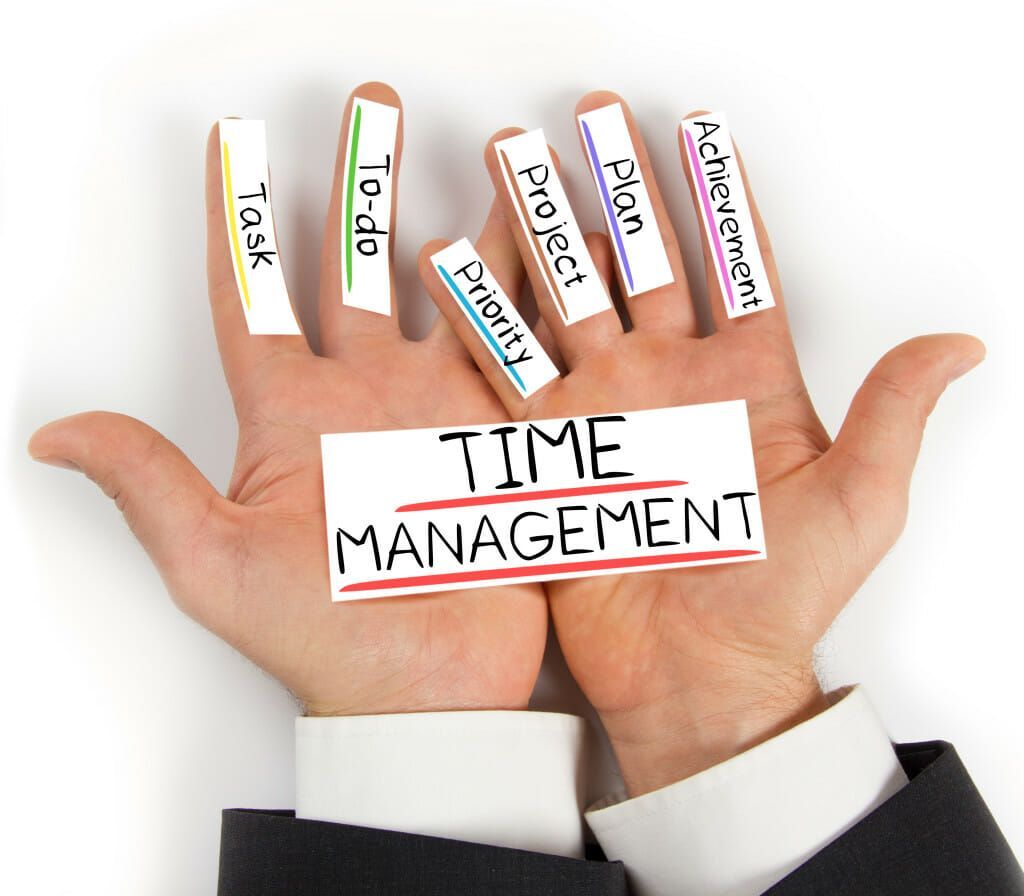
Defining clear objectives is essential for effective audience engagement. This process not only helps in focusing the content but also aligns the expectations of the audience with the desired outcomes of the interaction. By establishing well-defined goals, you can create a more meaningful and impactful experience for your audience.One of the critical steps in engaging your audience effectively involves defining specific goals.
These goals should be measurable and aligned with the overall purpose of your communication. When you establish objectives, consider the following dimensions: audience needs, content relevance, and desired actions. By addressing these components, you enhance the likelihood of successful engagement.
Defining Goals for Audience Engagement
Creating goals for audience engagement requires a systematic approach. Begin by assessing the audience’s current knowledge and expectations, followed by identifying what you hope to achieve. The following steps Artikel the goal-setting process:
- Conduct a needs assessment to understand your audience’s interests and prior knowledge.
- Identify key themes or messages that align with both audience needs and your objectives.
- Establish specific, measurable, achievable, relevant, and time-bound (SMART) goals to guide engagement efforts.
These steps will provide a clear framework for aligning your message with the audience’s expectations, ensuring a more cohesive interaction.
Communicating Objectives to Your Group
Effectively communicating your objectives to the audience is vital for maintaining focus and ensuring engagement. A well-structured plan for communication can enhance understanding and participation. Consider the following strategies:
- Share the objectives at the beginning of the presentation or interaction to set the context.
- Utilize visual aids, such as slides or infographics, to reinforce the key points and goals.
- Encourage feedback and questions during the session to clarify objectives and enhance engagement.
By implementing these strategies, you create a transparent environment where the audience feels involved and informed about the engagement process.
Aligning Audience Expectations with Your Goals
To ensure that your audience’s expectations align with your objectives, it is essential to manage perceptions effectively. This alignment not only fosters engagement but also enhances the overall experience. Here are some organized steps to achieve this:
- Clearly articulate the purpose and goals at the outset of the engagement.
- Provide context and relevance by relating objectives to the audience’s interests.
- Set checkpoints throughout the interaction to gauge audience understanding and adjust your approach as needed.
By following these steps, you will cultivate an environment conducive to participation, leading to a more successful engagement overall.
Establishing Effective Communication
Effective communication is a cornerstone of successful audience management and group control. By fostering an environment where open dialogue is encouraged, leaders can establish trust and rapport with their audience. This section will delve into various techniques to maintain open lines of communication, adapt communication styles, and emphasize the critical role of active listening in group management.
Maintaining Open Lines of Communication
Creating a communicative atmosphere involves various methods to ensure that everyone feels free to express their thoughts and concerns. Regular feedback mechanisms are essential in this regard. These can include surveys, suggestion boxes, or informal check-ins which allow participants to voice their opinions. Moreover, establishing a clear communication channel is vital for transparency. Utilizing tools such as emails, messaging platforms, or face-to-face meetings can facilitate this.
It is also beneficial to set aside dedicated time for discussions within group settings, thus reinforcing the importance of dialogue.
“Open communication fosters trust, encourages participation, and reduces misunderstandings.”
Adapting Communication Style
Adapting one’s communication style to suit the audience enhances engagement and comprehension. Understanding the demographic and cultural backgrounds of the audience is crucial for tailored messaging. For instance, a presentation to a team of engineers may involve more technical jargon than a discussion with a general audience.Utilizing various communication forms, such as visuals, storytelling, or data-driven presentations, can also cater to different learning preferences.
For example, using infographics or charts can clarify complex information for visual learners, while anecdotal stories may resonate better with those who appreciate narrative-based engagement.
“Effective communicators adjust their style based on the audience’s preferences and understanding.”
The Role of Active Listening
Active listening is integral to effective group management as it demonstrates respect for others’ opinions and encourages a two-way communication flow. This practice involves fully concentrating, understanding, responding, and remembering what is being said. Implementing active listening techniques, such as summarizing or paraphrasing what others say, not only confirms understanding but also encourages further dialogue. Additionally, maintaining eye contact and using affirmative body language can reinforce engagement and show that the listener values the speaker’s input.
“Active listening transforms communication into collaboration.”
Engaging Your Audience
Creating an engaging environment is crucial for effective group management. Engaged audiences are more likely to participate actively, retain information, and foster a collaborative atmosphere. By implementing interactive experiences, you can enhance the learning process and ensure that participants feel valued and included.An effective strategy for engaging your audience involves organizing activities that encourage participation and collaboration. Involving participants in the learning process can significantly elevate their experience and commitment to the subject matter.
Interactive activities can take various forms, such as group discussions, hands-on exercises, or project-based tasks. These activities not only make the session more enjoyable but also facilitate deeper understanding through practical application of concepts.
Interactive Activities for Participation
To promote engagement, consider the following interactive activities that can enhance participation among audience members:
- Group Discussions: Facilitating small group discussions allows participants to share their thoughts and perspectives on the topic. This encourages active listening and critical thinking.
- Role-Playing Exercises: Assigning roles related to the session’s content can help participants better understand different viewpoints and develop empathy.
- Live Polls and Surveys: Utilizing technology to conduct live polls during the session can provide instant feedback and allow participants to express their opinions anonymously.
- Case Studies: Presenting real-life scenarios for groups to analyze fosters collaboration and practical problem-solving skills.
Establishing a positive atmosphere is vital for effective engagement. Techniques that foster such an environment include the following:
Techniques for Fostering a Positive Atmosphere
Creating a welcoming and supportive environment encourages participants to engage more freely. Here are several techniques to consider:
- Encouraging Inclusivity: Make a conscious effort to include all voices in the discussion. This can be achieved by prompting quieter members to share their thoughts and ensuring diverse perspectives are acknowledged.
- Providing Positive Reinforcement: Acknowledge contributions publicly and praise effort, which can motivate participants to contribute more actively.
- Using Humor Appropriately: Light-hearted moments can help break the ice and reduce tension, making participants feel more at ease.
- Establishing Ground Rules: Setting clear expectations for behavior and participation can create a sense of safety and respect among participants.
Incorporating these strategies and techniques will greatly enhance the engagement level of your audience, leading to a more fruitful and productive group experience.
Managing Group Dynamics
Managing group dynamics is essential for effective audience engagement and collaboration. Understanding the various personalities within your audience can significantly impact how interactions unfold and how engagements are facilitated. By recognizing these dynamics, you can promote a harmonious environment conducive to learning and cooperation.
Identifying Different Personalities Within Your Audience
Recognizing the diverse personality types in your audience is a key step in effectively managing group dynamics. Various personality frameworks, such as the Myers-Briggs Type Indicator (MBTI) or the DISC model, provide insights into how individuals may behave in a group setting. Here are some common personality types you might encounter:
- Dominant Types: These individuals are assertive and goal-oriented. They are often natural leaders but may sometimes come off as aggressive.
- Influential Types: They are sociable and enjoy being part of the group. These audience members tend to be enthusiastic and can energize discussions.
- Stable Types: Often patient and calm, they promote harmony within the group. They appreciate a structured environment and may resist change.
- Conscientious Types: These individuals are detail-oriented and analytical. They may require more time to process information before contributing.
By identifying these personality types, you can tailor your communication strategies to meet the specific needs of different audience members, fostering a more inclusive atmosphere.
Conflict Resolution Techniques for Group Disagreements
Disagreements in groups are natural; however, resolving them effectively is crucial for maintaining group cohesion. Employing structured conflict resolution techniques can help facilitate constructive discussions and minimize disruption. Here are some effective strategies:
- Active Listening: Encourage all parties to express their viewpoints while ensuring that everyone feels heard. This builds trust and reduces defensiveness.
- Establish Common Goals: Focus on shared objectives rather than individual differences to redirect the group’s energy toward collaboration.
- Facilitate Open Dialogue: Create a safe space for discussion by promoting open communication that allows for respectful disagreement.
- Seek Compromise: Encourage participants to consider alternative solutions that may satisfy all parties involved.
Utilizing these techniques can help transform conflicts into opportunities for growth and stronger relationships within the group.
Encouraging Teamwork and Cooperation
Fostering an environment that encourages teamwork is paramount for effective group dynamics. Implementing specific strategies can significantly enhance collaboration and cooperation among group members. Here are several approaches to consider:
- Team-Building Activities: Engage the audience in activities that require collaboration, such as problem-solving tasks or icebreakers, which can strengthen relationships and trust.
- Role Assignments: Clearly define roles based on individual strengths and preferences, ensuring that everyone understands their contributions to the group’s objectives.
- Positive Reinforcement: Acknowledge and celebrate team successes, no matter how small. This boosts morale and encourages ongoing cooperation.
- Encourage Feedback: Create a culture where constructive feedback is welcomed, allowing team members to learn from one another and improve collectively.
By actively encouraging teamwork, you can create a supportive environment that fosters collaboration and enhances the overall effectiveness of the group.
Utilizing Technology for Audience Management
In today’s digital age, leveraging technology is essential for effective audience management. Various tools and platforms can enhance engagement, streamline communication, and provide valuable insights into audience behavior. By employing these technologies thoughtfully, facilitators can cater to their audience’s needs more effectively and create a more interactive environment.
Tools and Platforms for Audience Management
The right tools can significantly improve how you manage and engage with your audience. Below are some essential technologies that can aid in effective audience management:
- Audience Response Systems (ARS): These interactive tools allow participants to respond to polls, quizzes, and surveys in real-time during presentations. Examples include Mentimeter and Slido, which enhance engagement by providing instant feedback.
- Webinar Platforms: Tools like Zoom and Microsoft Teams facilitate virtual meetings and webinars, enabling interaction through chat, Q&A sessions, and breakout rooms.
- Social Media Management Tools: Platforms such as Hootsuite and Buffer help in scheduling posts and monitoring audience interactions across various social media channels, allowing for timely responses and engagement.
- Content Management Systems (CMS): Utilizing platforms like WordPress or Wix can ensure that your content is easily accessible, keeping your audience informed and engaged.
- Analytics Tools: Google Analytics and social media insights provide crucial data on audience demographics, preferences, and behavior, aiding in content refinement.
Guidelines for Using Social Media to Engage with Your Group
Social media is a powerful tool for engaging with your audience. Establishing clear guidelines can optimize its use:
- Define Your Voice: Maintain a consistent tone and style that aligns with your audience’s expectations to foster connection.
- Encourage Interaction: Pose questions or prompts that invite comments and discussions to stimulate engagement.
- Use Visual Content: Incorporate images, videos, and infographics to make your posts more appealing and shareable.
- Monitor and Respond: Actively engage with your audience by replying to comments and messages promptly, showing that their input is valued.
- Share Quality Content: Prioritize informative and relevant content that provides value, keeping the audience’s interests in mind.
Benefits of Data Analytics for Understanding Audience Behavior
Data analytics empowers facilitators to gain insights into audience preferences and behaviors, which is essential for tailoring content and engagement strategies. Understanding these behaviors can lead to improved audience satisfaction and retention.
- Improved Targeting: By analyzing data, you can identify specific audience segments and tailor your messaging to meet their needs more effectively.
- Content Optimization: Insights gained from data can inform content creation, allowing you to focus on topics that resonate most with your audience.
- Enhanced Engagement: Understanding when your audience is most active can help in scheduling posts and webinars at optimal times for maximum participation.
- Performance Tracking: Analytics enable you to measure the effectiveness of your engagement strategies, providing concrete data to refine your approach.
- Informed Decision Making: Leveraging data-driven insights allows for strategic planning and continuous improvement in audience management practices.
Feedback and Evaluation
Collecting and analyzing audience feedback is essential to refine and enhance the effectiveness of your audience management strategies. Feedback not only provides insights into audience perceptions but also highlights areas that may require adjustment or improvement. Utilizing structured methods to gather this information can significantly enhance your ability to respond effectively to audience needs.
Methods for Collecting Feedback
Establishing a systematic approach to gather feedback ensures that you obtain comprehensive insights from your audience. Various methods can be employed to collect valuable feedback, including:
- Surveys and Questionnaires: Online tools such as Google Forms or SurveyMonkey can be used to create tailored surveys that gauge audience satisfaction and engagement.
- Feedback Forms: Distributing feedback forms either digitally or in print during or after an event allows participants to express their thoughts and suggestions.
- Interviews: Conducting one-on-one interviews with selected audience members provides in-depth insights into their experiences and perceptions.
- Focus Groups: Organizing small groups for discussion can yield qualitative feedback that highlights common themes and concerns.
Analyzing Audience Responses
Once feedback is collected, the next step involves analyzing the data to identify trends and actionable insights. An effective analysis process includes:
- Quantitative Analysis: Reviewing numerical ratings and responses to identify statistical trends and patterns in audience satisfaction.
- Qualitative Analysis: Examining open-ended responses and comments for recurrent themes or sentiments that can illuminate audience perspectives.
- Benchmarking: Comparing current feedback with previous data to measure improvement or decline in audience engagement over time.
Adjusting Approach Based on Feedback
Feedback should lead to actionable changes in your strategies for managing audiences. Consider the following techniques for effectively adjusting your approach based on audience responses:
- Responsive Adaptation: When feedback indicates a need for change, be prepared to alter your content delivery, adjust pacing, or modify engagement strategies accordingly.
- Iterative Improvements: Use feedback as a foundation for ongoing refinements, testing new approaches in future sessions to see if they yield better results.
- Audience Reinvolvement: Re-engage your audience to communicate changes made based on their feedback, fostering a sense of community and collaboration.
Importance of Continuous Improvement
Continuous improvement in audience management is vital for maintaining relevance and effectiveness. Regular feedback collection and evaluation contribute to an evolving understanding of audience expectations. This ongoing process supports the development of tailored experiences that resonate with your audience, thereby enhancing satisfaction and engagement.
“Feedback is not merely an evaluation; it is a pathway to transformation.”
By embracing a culture of feedback and evaluation, you create a dynamic environment where improvements are consistently sought and implemented, leading to stronger connections with your audience and overall success in management practices.
Conclusion
In summary, mastering the art of managing your audience and controlling a group requires an empathetic understanding of individuals’ needs and dynamics. By implementing effective communication techniques, engaging activities, and continuous feedback mechanisms, you not only enhance group cohesion but also pave the way for a more productive and enjoyable experience for all involved. Let us strive for excellence in audience management for collective success.