How to Overcome Shyness When Performing Magic is an essential guide for aspiring magicians who find themselves fraught with anxiety when faced with the prospect of performing in front of an audience. Shyness can be an overwhelming barrier, significantly impacting one’s ability to connect with spectators and deliver a captivating show. By understanding the psychological underpinnings of shyness and employing effective techniques to manage it, performers can enhance their confidence and fully engage their audiences.
This exploration delves into the various dimensions of shyness, including common fears, effective coping strategies, and the importance of preparation. Through a combination of practice, audience engagement strategies, and support systems, individuals can transform their apprehension into a seamless performance experience.
Understanding Shyness in Performance Context
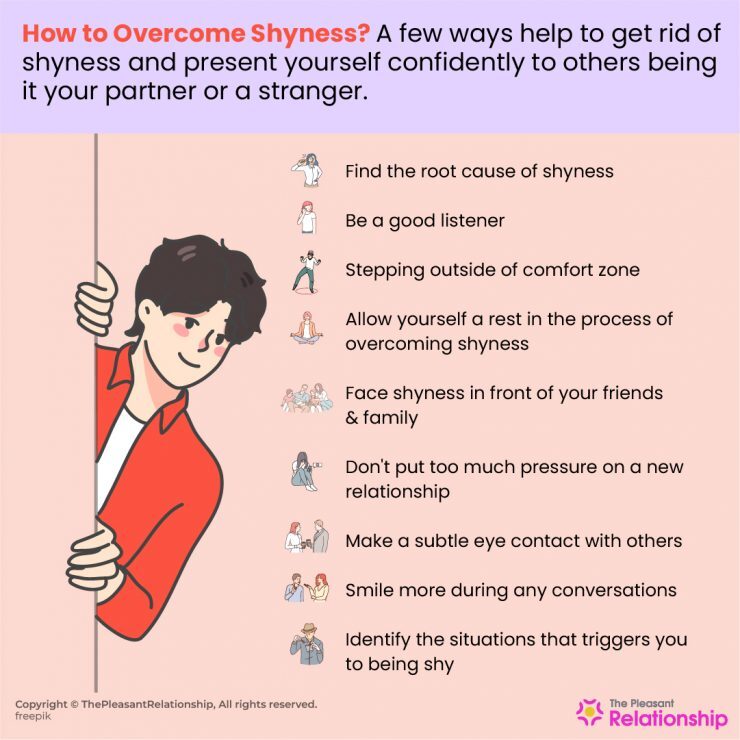
Shyness is a common experience for many individuals, particularly in performance contexts such as magic shows. This psychological phenomenon can significantly influence a magician’s ability to engage an audience, effectively showcase their skills, and enjoy the performance experience. Understanding the nuances of shyness, its underlying fears, and its impact on performance quality is essential for magicians seeking to overcome this barrier.Shyness often stems from a fear of negative evaluation, where an individual worries about being judged unfavorably by others.
In the realm of magic, this can manifest as anxiety about performing in front of an audience, leading to physical symptoms such as sweating, trembling, or a racing heartbeat. Common fears experienced by magicians include the fear of forgetting their routine, mishaps during the performance, or failing to meet audience expectations. These anxieties not only detract from a magician’s confidence but can also impair their ability to connect with the audience, thereby affecting overall performance quality.
Common Fears and Anxieties Faced by Magicians
The performance of magic involves a unique set of challenges that can exacerbate feelings of shyness. Understanding these common fears is pivotal in addressing them. The following points Artikel specific anxieties that magicians may encounter:
- Fear of Judgment: Magicians often worry about how their performance will be perceived, fearing that mistakes or failures will lead to negative criticism from the audience.
- Fear of Failure: The prospect of forgetting tricks or mismanaging props can lead to significant anxiety, causing magicians to doubt their preparedness and abilities.
- Lack of Experience: Inexperienced magicians might feel overwhelmed by the expectations associated with captivating an audience, which can intensify feelings of inadequacy.
- Performance Pressure: The desire to entertain and succeed can create high-pressure situations that contribute to nervousness and self-doubt.
The impact of these fears on performance quality can be profound. A magician’s shyness may result in a lack of engagement with the audience, limited expressiveness, and an overall diminished performance. Consequently, overcoming shyness is crucial not only for the magician’s enjoyment of their craft but also for the audience’s experience, as a confident performer is more likely to capture attention and create memorable moments.
“The key to performing magic lies in the magician’s ability to connect with the audience, transforming shyness into charisma.”
Addressing shyness through techniques such as practice, visualization, and gradual exposure to performing can significantly enhance a magician’s confidence and performance effectiveness. Understanding these psychological aspects serves as a vital step toward personal growth and success within the art of magic.
Techniques to Manage Shyness
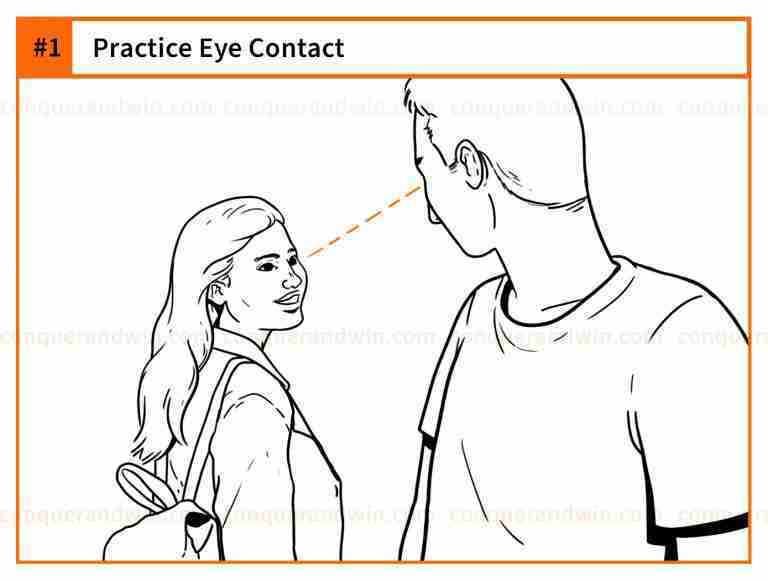
Managing shyness while performing magic is crucial for delivering an engaging and captivating experience. By employing specific techniques, performers can cultivate confidence and mitigate anxiety, allowing their magical talents to shine. This section will explore effective methods of deep breathing, visualization, and rehearsal, all aimed at overcoming shyness in performance contexts.
Deep Breathing and Relaxation Techniques
Deep breathing serves as a powerful tool for performers to calm their nerves and attain a relaxed state before stepping onto the stage. Focusing on breath can help reduce anxiety and enhance overall performance. Practicing deep breathing techniques integrates physical relaxation with mental focus, creating a conducive environment for performance. To implement these techniques:
- Diaphragmatic Breathing: Inhale deeply through your nose, allowing your diaphragm to expand, then exhale slowly through your mouth. Repeat this process several times to center your thoughts and calm your body.
- Box Breathing: Inhale for a count of four, hold the breath for another count of four, exhale for four counts, and pause for four counts before inhaling again. This structured method not only calms nerves but also helps in maintaining focus.
- Progressive Muscle Relaxation: Tense and then relax each muscle group in your body, starting from your toes and working up to your head. This technique helps release physical tension that may accompany performance anxiety.
Visualization Techniques
Visualization is a mental rehearsal strategy that allows performers to create positive scenarios in their minds, leading to improved performance outcomes. By vividly imagining successful performances, magicians can foster a sense of confidence and readiness. Here are some effective visualization techniques:
- Scenario Visualization: Picture yourself on stage, performing your magic tricks flawlessly while engaging the audience. Visualizing the positive reactions from the crowd reinforces self-assurance.
- Emotion Visualization: Envision the feelings of joy and excitement that accompany a successful performance. This emotional connection helps in redirecting anxiety towards positive anticipation.
- Outcome Visualization: Imagine the successful completion of a trick and the audience’s applause. This technique reinforces your belief in your abilities and cultivates a positive mindset.
Importance of Practice and Rehearsal
Regular practice and rehearsal are essential components of building confidence as a performer. Familiarity with your material not only enhances skill but also reduces feelings of shyness and nervousness. Through consistent rehearsal, performers develop muscle memory and an innate understanding of their routines, leading to a more relaxed stage presence.Key points regarding practice include:
- Structured Rehearsal: Implement a structured rehearsal schedule that covers all aspects of your performance, including transitions and audience interactions. A well-organized practice routine builds familiarity and confidence.
- Mock Performances: Conduct practice sessions in front of friends or family to simulate a real audience. This experience can help acclimatize you to performing live and receiving feedback.
- Continuous Improvement: Analyze and refine your techniques based on practice outcomes. Focus on areas that challenge you and set goals for improvement to enhance your overall performance skills.
Building Confidence through Preparation

Preparation is a fundamental pillar in overcoming shyness, particularly in the realm of performance arts such as magic. By establishing a solid practice routine and familiarizing oneself with the material, performers can significantly reduce performance anxiety. The following guide Artikels steps that can bolster confidence through thorough preparation.
Designing a Practice Routine
Creating a consistent and effective practice routine is essential for any magician looking to enhance their performance skills. A well-structured routine not only builds technical proficiency but also fosters confidence. The following step-by-step guide can help develop a comprehensive practice regimen:
- Set Clear Goals: Define specific objectives for each practice session, such as mastering a particular trick or improving stage presence.
- Allocate Time Wisely: Dedicate a regular time slot each day or week for practice to cultivate discipline and commitment.
- Warm-Up Exercises: Begin each session with basic exercises to loosen up and prepare both mind and body for performance.
- Focus on Technique: Spend ample time honing techniques for each trick, including hand movements and misdirection, ensuring accuracy and fluidity.
- Incorporate Performance Simulation: Regularly perform in front of a mirror or record yourself to simulate the actual performance environment, allowing for critique and adjustment.
- Seek Feedback: Share your practice sessions with trusted friends or mentors who can provide constructive criticism to further improve your skills.
Memorization and Familiarity with Tricks
Memorization plays a crucial role in reducing anxiety when performing magic. The more familiar a magician is with their tricks, the less nervous they will be during performances. This familiarity allows the magician to focus on the audience rather than the mechanics of the tricks.
“Preparation and memorization transform anxiety into confidence.”
Effective memorization techniques include:
- Chunking Information: Break down complex tricks into smaller, manageable segments to enhance recall.
- Repetition: Regularly practice tricks until they can be performed effortlessly without conscious thought.
- Visualization Techniques: Visualize the performance in your mind, picturing each step and the audience’s reactions. This mental rehearsal reinforces memory.
Equipment and Setup Checklist
Creating a checklist for equipment and setup is vital for ensuring readiness before a performance. A well-organized setup can alleviate last-minute stress and allow for a smoother execution of tricks.
“Being prepared is the key to performing with confidence.”
An effective checklist may include the following items:
- Props and Tools: List all necessary props, ensuring that each item is in good condition and easily accessible.
- Costume and Personal Presentation: Plan your outfit and appearance, ensuring that you are dressed appropriately for the performance environment.
- Performance Space Setup: Arrive early to arrange your performance area, testing lighting, sound, and any necessary technical equipment.
- Backup Equipment: Keep a backup of critical props or tools in case of unexpected issues during the performance.
- Final Check: Conduct a final walkthrough of your routine to ensure all elements are in place and functioning as intended.
Engaging with the Audience
Establishing a connection with the audience is a critical element of performing magic, as it significantly enhances the overall experience for both the performer and the spectators. Engaging effectively not only helps to diminish shyness but also captivates the audience, making the performance memorable. This section discusses various strategies to facilitate interaction, create rapport, and maintain a positive atmosphere during performances.
Strategies for Breaking the Ice with the Audience
Initiating engagement with the audience can set the tone for a successful performance. Employing specific strategies can help ease tension and foster a welcoming environment. Consider the following approaches:
- Warm Greetings: Start with a friendly greeting and express your excitement about performing for them. A simple “Hello everyone! I’m thrilled to share some magic with you today!” can work wonders in building rapport.
- Ask Questions: Pose light-hearted questions or engage in simple interactions, such as asking if anyone has seen magic before. This not only breaks the ice but also encourages audience participation.
- Use a Fun Prop: Introduce a quirky or unusual prop related to your performance. This element can serve as a conversation starter and draw the audience’s attention.
Using Humor and Storytelling to Connect with Spectators
Incorporating humor and storytelling into your magic acts is an effective way to engage the audience on a personal level. These elements can transform a standard performance into an entertaining experience filled with laughter and intrigue.
- Light-Hearted Jokes: Share appropriate jokes or amusing anecdotes related to your performance. This can not only lighten the atmosphere but also make you more relatable as a performer.
- Craft a Compelling Narrative: Weave a narrative throughout your performance that connects your tricks. This storytelling creates an emotional bond and keeps the audience invested in your act.
- Character Development: Adopt a persona or character that resonates with your audience. This not only adds depth to your performance but also invites spectators into your world, increasing their interest.
Maintaining Eye Contact and Body Language
Non-verbal communication plays a crucial role in engaging the audience. Effective eye contact and positive body language can enhance the connection between you and your spectators.
- Establish Eye Contact: Regularly making eye contact with different audience members helps to create a sense of inclusion. It conveys confidence and encourages viewers to feel connected to your performance.
- Use Open Body Language: Maintain an open and approachable posture. Avoid crossing your arms or appearing closed off, as this can create barriers between you and the audience.
- Incorporate Gestures: Use hand movements and facial expressions to emphasize key points during your act. This dynamic body language keeps the audience engaged and reinforces the impact of your tricks.
Engaging your audience not only enhances their experience but also allows you to perform with greater confidence and enjoyment.
Overcoming Setbacks during Performances

Experiencing setbacks during a performance is a common challenge that many magicians face. It can manifest in various forms, from technical difficulties to unexpected audience reactions. Understanding how to navigate these challenges not only bolsters emotional resilience but also enhances overall performance quality. By developing strategies to address these mishaps, performers can turn potential pitfalls into opportunities for growth and engagement.Recognizing that setbacks are part of the performance journey is crucial.
It is essential to approach these moments with a mindset geared toward adjustment rather than defeat. Acknowledging common performance mishaps can help magicians prepare emotionally for their impact and ensure a more composed response in the moment.
Common Performance Mishaps and Emotional Responses
Being aware of typical performance mishaps can significantly aid in emotional management during a show. Common setbacks may include:
- Technical Failures: Props failing to work as intended or malfunctioning equipment can disrupt the flow of a performance. Calmly addressing the situation while maintaining audience engagement is key.
- Memory Lapses: Forgetting lines or the sequence of tricks can lead to panic. Utilizing pause techniques or seamlessly transitioning to a backup routine can mitigate the impact.
- Audience Distractions: Unexpected interruptions or distractions from the audience can shift focus away from the performance. A gentle acknowledgment or humorous comment can re-establish rapport.
“Every setback is an opportunity for a comeback; it is how you respond that defines your success.”
Famous magicians often demonstrate resilience in the face of setbacks. For instance, Penn & Teller have shared experiences where props failed or jokes fell flat, but their ability to improvise and engage the audience turned potential failures into unforgettable moments. Their humorous approach to mistakes showcased that authenticity and adaptability can enhance a performance rather than detract from it.
Importance of Adapting and Improvising
When things go wrong during a performance, the ability to adapt is paramount. Adopting an improvisational mindset allows performers to respond dynamically to unexpected situations. This not only helps in maintaining the flow of the performance but also keeps the audience engaged. Examples of effective improvisation include:
- Switching Tricks: If a trick fails, smoothly transitioning to an alternate trick can keep the energy alive.
- Audience Interaction: Engaging with the audience through humor or questions can create a buffer that distracts from the mishap.
- Utilizing Mistakes: Some of the most memorable moments in magic occur when a magician acknowledges a mistake with wit, drawing the audience closer and creating a shared experience.
“Improvisation allows the performer to connect with their audience on a deeper level, transforming a potential failure into a shared moment of joy.”
In conclusion, overcoming setbacks in performances is essential for a magician’s development. By identifying common mishaps and employing adaptive strategies, magicians not only enhance their performances but also strengthen their emotional resilience and connection with the audience.
Utilizing Support Systems
Establishing a robust support system is vital for magicians who seek to overcome shyness and enhance their performance skills. Engaging with peers and mentors can provide encouragement, constructive feedback, and a sense of community, all of which contribute significantly to personal growth. By actively participating in magic clubs or workshops, performers can connect with others who share similar interests and challenges.
Participation in Magic Clubs and Workshops
Magic clubs and workshops serve as effective platforms for magicians to hone their craft in a supportive environment. These gatherings allow individuals to practice their performances in front of peers, receive valuable feedback, and develop their skills through collaboration. The social aspect of these clubs promotes camaraderie among members, fostering an atmosphere where participants feel understood and encouraged.
- Regular interaction with fellow magicians can provide a safe space to share experiences and strategies for overcoming shyness.
- Workshops often feature group activities, which facilitate participation and help individuals become more comfortable performing in front of others.
- Engaging in a community of fellow magicians helps normalize the feelings of anxiety associated with performance, making it easier to confront and manage these emotions.
Seeking Mentorship from Experienced Magicians
Finding a mentor in the field of magic can be a transformative experience for aspiring performers. An experienced magician can provide personalized guidance, share insights from their own journey, and assist in navigating the challenges of performance anxiety. Mentorship can include one-on-one sessions, where the mentor offers tailored advice based on the mentee’s unique strengths and areas for improvement.
- Mentors can help build confidence by encouraging mentees to perform regularly and offering constructive feedback.
- Through mentorship, magicians can learn effective techniques to manage their shyness, often through tailored practice scenarios.
- Mentorship fosters a sense of accountability, motivating individuals to push their boundaries and embrace opportunities for growth.
Role of Audience Feedback
Audience feedback is an invaluable tool for magicians aiming to reduce shyness and build confidence. Constructive criticisms and positive reinforcement from viewers can provide insight into what works well and what may need improvement.
- Performers can gain confidence by receiving acknowledgment from the audience, which reinforces their skills and talents.
- Feedback can help magicians identify specific areas for growth, allowing them to target their practice sessions more effectively.
- Understanding audience reactions enhances a magician’s ability to adapt during performances, leading to improved engagement and interaction.
“Every performance is an opportunity to learn and grow; audience feedback is the compass guiding the way.”
Long-term Strategies for Personal Growth
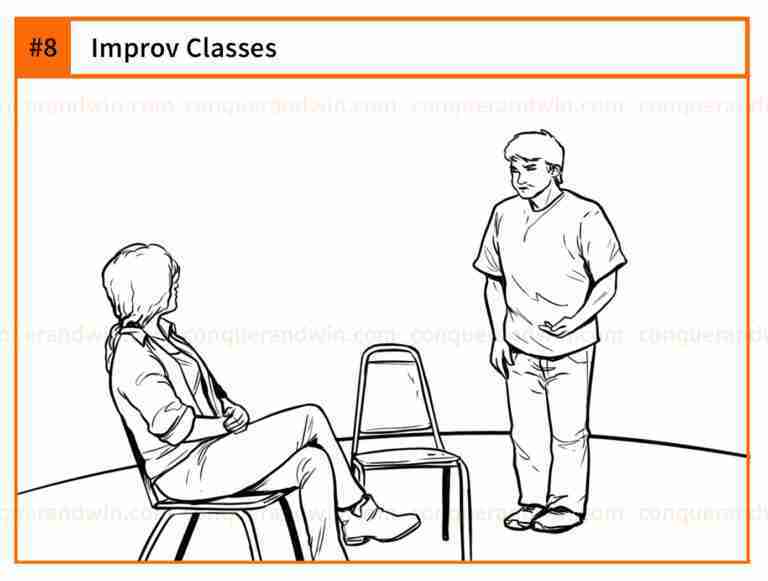
Setting long-term performance goals is essential for any magician seeking to grow and improve. By creating a structured plan, magicians can chart their progress, identify areas for improvement, and celebrate milestones in their journey. This approach fosters a sense of direction and purpose, which is critical for overcoming shyness and enhancing confidence during performances.Establishing a plan for setting achievable performance goals over time involves breaking down larger aspirations into smaller, manageable tasks.
Effective goal-setting often follows the SMART criteria: Specific, Measurable, Achievable, Relevant, and Time-bound. By implementing this method, magicians can focus on actionable steps that contribute to their overall growth. For example, a magician might aim to learn a new trick each month, gradually increasing their repertoire and confidence.
Self-reflection and Journaling
Self-reflection plays a pivotal role in personal growth for performers. After each performance, taking the time to reflect on the experience allows magicians to gain insights into their strengths and areas needing improvement. Journaling serves as a practical tool for this process, enabling magicians to document their thoughts, feelings, and experiences related to their performances.The practice of journaling can include the following aspects:
- Noting specific tricks performed and the audience’s reactions.
- Reflecting on emotional states before and after performances.
- Identifying particular challenges faced and strategies that were effective in overcoming them.
- Setting intentions for future performances based on reflections.
By reviewing journal entries, magicians can track their progress over time and gain a deeper understanding of their performance journey.
Continuous Challenge through New Techniques
To maintain growth and combat stagnation, magicians should continuously challenge themselves by exploring new techniques or styles. This approach not only enhances their skill set but also expands their creative horizons. Learning new forms of magic, such as mentalism, cardistry, or stage illusions, can invigorate a magician’s performance repertoire.Engaging in new challenges can be structured as follows:
- Participating in workshops or classes focused on different styles of magic.
- Collaborating with other magicians to learn from their techniques and experiences.
- Setting a goal to perform a new type of magic at a local event within a specified timeframe.
Challenging oneself in this manner fosters resilience and adaptability, essential traits for managing performance anxiety and enhancing overall performance quality.
Wrap-Up
In summary, overcoming shyness when performing magic is not just about battling fear; it is about embracing opportunities for personal growth and connection with others. By implementing the techniques Artikeld, magicians can build confidence, create memorable performances, and engage with their audiences on a deeper level. Ultimately, each performance is a step forward in a magical journey that transforms both the performer and the spectators alike.