How to Properly Hold and Handle a Deck of Cards sets the stage for this enthralling narrative, offering readers a glimpse into a story that is rich in detail and brimming with originality from the outset. Mastering the art of card handling is not merely a skill but an essential aspect of enjoying card games to their fullest. From understanding the anatomy of a deck to employing various gripping techniques and shuffling methods, this guide encapsulates the vital elements that contribute to an enhanced playing experience.
Throughout this exploration, we will delve into the intricacies of dealing cards, maintaining their condition, and the psychological strategies that can elevate one’s gameplay. Whether you are a novice eager to learn or an experienced player looking to refine your techniques, this comprehensive overview will equip you with the knowledge necessary for effective and impressive card handling.
Understanding the Basics of Card Handling
Proper card handling techniques are essential not only for gameplay efficiency but also for maintaining the integrity of the card deck. Mastering these techniques improves the overall experience, ensuring that games are played smoothly and fairly. Whether in a casual setting or a more competitive environment, the way cards are held and manipulated can significantly influence the outcome of a game.A standard deck of playing cards typically consists of 52 cards, divided into four suits: hearts, diamonds, clubs, and spades.
Each suit contains thirteen ranks, including the numbers two through ten, as well as the face cards—jack, queen, and king—and the ace. Additionally, many decks include two jokers, which can serve various purposes in specific games. Understanding the anatomy of a deck is crucial for effective handling, as familiarity with these components allows players to manage their cards with confidence and skill.
Importance of Proper Card Handling Techniques
Proper card handling techniques are vital for ensuring a smooth and fair gaming experience. The way players handle cards can influence not only the gameplay but also the overall enjoyment for all participants. Key aspects of card handling include the following:
- Enhanced Control: Gripping cards properly allows for better control during shuffling, dealing, and playing, preventing accidental slips or misplays.
- Increased Durability: Handling cards with care reduces wear and tear, extending the lifespan of the deck and preserving its condition for future games.
- Improved Presentation: A well-handled deck presents a professional image, especially in competitive settings, enhancing the experience for all players involved.
Anatomy of a Deck of Cards
Understanding the individual components of a card deck is essential for effective handling. The basic structure includes:
- Suits: The four suits—hearts, diamonds, clubs, and spades—each represent different characteristics and play a fundamental role in various card games.
- Ranks: The cards in each suit are ranked from two to ace, with face cards (jack, queen, king) serving special functions in many games.
- Jokers: Often included in the deck, jokers can have unique roles depending on the game being played; some games utilize them as wildcards, while others might omit them entirely.
Brief History of Card Games and Their Evolution
The history of card games traces back to ancient China, where card-like items were believed to have originated. Over the centuries, these games evolved, crossing cultural boundaries and adapting to different societies. Card games became popular in Europe during the 14th century, leading to the development of modern playing cards. Key historical developments include:
- The introduction of the Tarot deck in the 15th century, initially used for playing games rather than divination.
- The establishment of standardized suits and ranks in the 17th century, which laid the groundwork for contemporary playing card structure.
- The rise of gambling games, particularly in the 18th and 19th centuries, which fostered a wide variety of card games and competitive play styles.
In summary, understanding the basics of card handling, including the anatomy of a deck of cards and the rich history of card games, contributes significantly to enhancing gameplay and fostering a deeper appreciation of the art of card handling.
Proper Grip Techniques
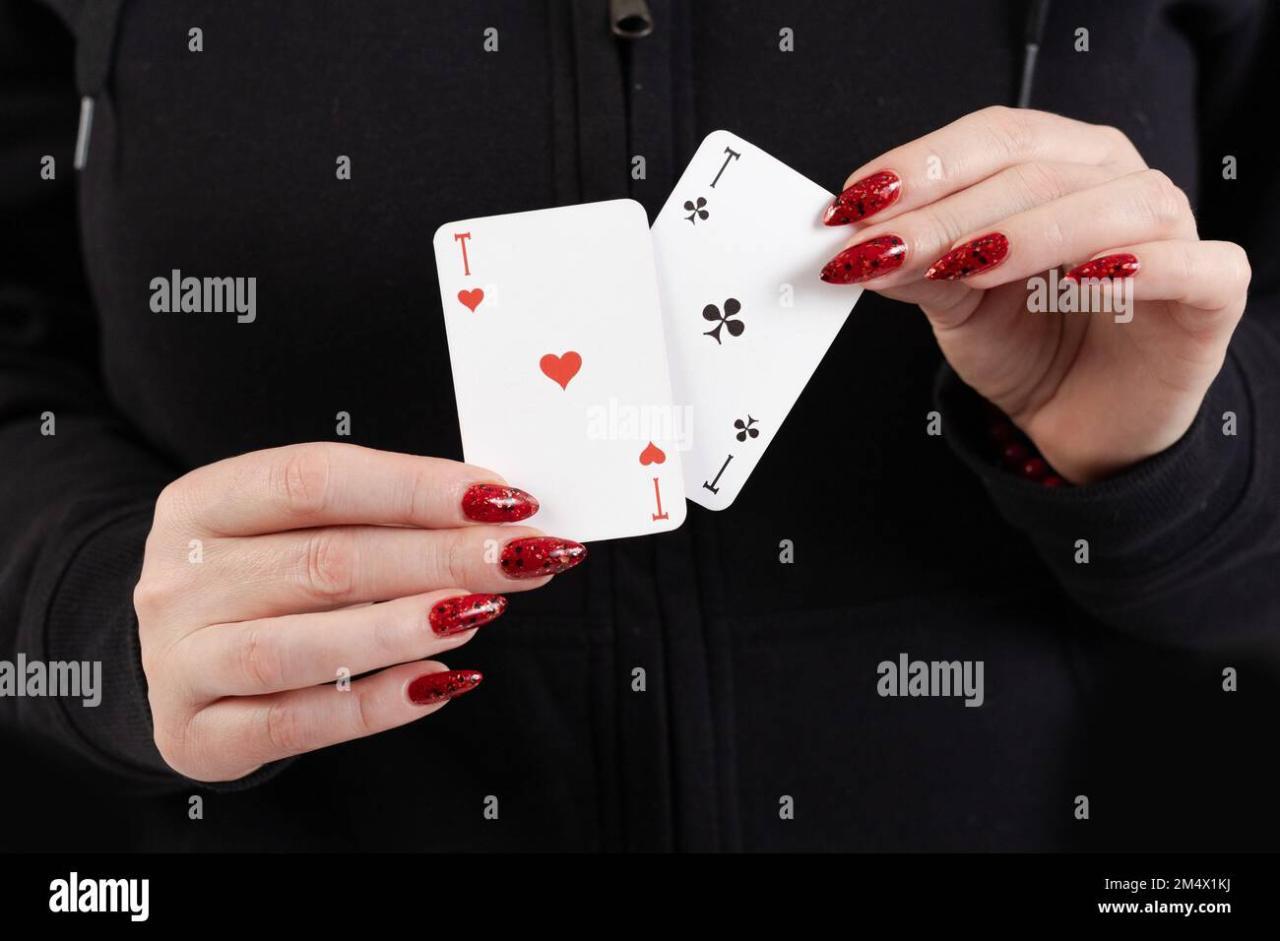
The way a deck of cards is held significantly impacts both the comfort of the handler and the quality of card manipulation. Understanding various grip techniques is essential for anyone looking to enhance their card handling skills, whether for casual play or professional performances. This section details several grip styles, the mechanisms of creating an effective fan, and a comparative analysis of the advantages and disadvantages of each grip.
Grip Styles for Card Handling
Different grip techniques serve unique purposes and can be adapted based on the situation at hand. Below are the most common grip styles used in card handling, each with its respective advantages and disadvantages.The three primary grips are:
1. Mechanic’s Grip
This grip is characterized by holding the deck in the dominant hand with the fingers on one side and the thumb on the other. The index finger often rests atop the deck for control.
2. Biddle Grip
In this grip, the deck is held similarly to the mechanic’s grip but with the addition of the pinky finger supporting the bottom, providing extra stability, especially during shuffles.
3. Hindu Grip
A popular choice for fans, this technique involves holding the cards horizontally with the thumb and fingers spread, allowing for a smooth display of cards in a fan.The following table Artikels the advantages and disadvantages of each grip style:
| Grip Style | Advantages | Disadvantages |
|---|---|---|
| Mechanic’s Grip |
|
|
| Biddle Grip |
|
|
| Hindu Grip |
|
|
Creating an Effective Fan
Fanning cards involves spreading them out in a semi-circular shape, allowing for a visually appealing display. The technique enhances the accessibility of the cards and is frequently used in games and performances to present options clearly. To create an effective fan, follow these steps:
1. Begin with the Hindu Grip
Hold the deck in the dominant hand, ensuring that your fingers are positioned to allow for a firm hold while also being able to manipulate the cards easily.
2. Apply Pressure
Use the thumb to apply moderate pressure against one side of the deck while simultaneously pressing with the fingers on the opposite side. This tension is crucial for creating a fluid fan.
3. Spread the Cards
Gradually release the pressure of the fingers while simultaneously moving the thumb outward. The cards will begin to slide apart, forming a fan. Adjust the angle to achieve the desired degree of spread.
4. Practice
Repeated practice will enhance the fluidity and aesthetic quality of your fanning technique, ensuring you can present the cards effectively under various circumstances.With a combination of proper grip techniques and the ability to fan cards effectively, one can significantly elevate their card handling skills.
Shuffling Methods
In the realm of card handling, mastering the art of shuffling is crucial for both gameplay and maintaining the integrity of the deck. A proper shuffle ensures that the cards are mixed thoroughly, making the game fair and unpredictable. This section delves into various shuffling techniques, providing detailed guidance and helpful tips to enhance your skills.
Riffle Shuffle
The riffle shuffle is one of the most popular and effective methods for mixing cards. This technique involves splitting the deck into two halves and then interleaving them together. To perform a riffle shuffle, follow these steps:
- Hold the deck in one hand, with your thumb on one side and the middle and ring fingers on the opposite side.
- Use your other hand to split the deck into two equal halves.
- Position each half so that the short edges are facing each other, with your thumbs on top.
- Release the pressure from your thumbs simultaneously, allowing the cards to fall and interlace.
- Square the deck by pushing the cards together.
Practicing the riffle shuffle can significantly improve your card handling skills.
Overhand Shuffle
The overhand shuffle is a simpler technique that can be performed with one hand. This method is often used for casual games due to its ease of execution.To execute an overhand shuffle:
- Hold the deck in one hand, gripping it firmly.
- With your thumb on one side and the fingers on the other, use your opposite hand to pull small groups of cards from the top of the deck.
- Let the pulled cards fall into your other hand, repeating the process until you have shuffled the entire deck.
This method is particularly useful for quick shuffling and can be done effectively with practice.
Hindu Shuffle
The Hindu shuffle is another popular technique, especially in magic performances. It allows for a smooth mixing of cards without losing grip.To perform a Hindu shuffle:
- Hold the deck vertically in one hand, with your thumb on one side and fingers on the other.
- Use your other hand to lift a portion of the cards from the top and let them fall into your palm.
- Continue this process until the entire deck has been shuffled.
This technique is characterized by its fluid motion and can be easily mastered with practice.
Practicing Shuffling Techniques
To enhance your shuffling skills, dedicated practice is essential. Here are some tips to effectively practice shuffling:
Use a standard deck
Start with a standard 52-card deck to familiarize yourself with the feel and handling.
Set a routine
Practice consistently at a designated time each day to build muscle memory.
Focus on technique
Pay attention to the grip and movements of your hands to ensure proper execution of each shuffle.
Use a mirror
Practicing in front of a mirror can help you identify and correct any flaws in your technique.
Record yourself
Video recording your practice sessions can provide insights into areas needing improvement.Maintaining card integrity while shuffling is vital to prolong the life of your deck.
Tips for Maintaining Card Integrity
When shuffling, it is important to handle the cards carefully to avoid damage. Here are some essential tips for preserving the quality of your cards:
Avoid excessive force
Shuffling should be firm yet gentle; excessive force can bend or warp the cards.
Use smooth surfaces
Shuffle on soft surfaces or felt to prevent scratching and wear on the cards.
Store cards properly
Keep your deck in a protective case or sleeve when not in use to prevent dust and dirt accumulation.
Limit exposure
Avoid exposing your cards to moisture and direct sunlight to prevent warping and fading.By implementing these shuffling techniques and maintenance tips, you can ensure a successful card handling experience that keeps your deck in pristine condition.
Dealing Cards
Dealing cards is a fundamental skill that enhances the flow of card games, ensuring an enjoyable experience for all participants. Properly dealing cards requires attention to the game’s rules and the mechanics of card handling. Mastering this technique allows players to engage seamlessly, maintaining the game’s pace and integrity.
Methods for Dealing Cards
The correct way to deal cards varies depending on the game’s rules and the number of players involved. Generally, the dealer should start by shuffling the deck thoroughly to ensure randomness. Once shuffled, the dealer can begin dealing cards to each player. For most games, the dealer will distribute one card at a time, rotating clockwise or counterclockwise around the table.
When dealing multiple cards, it is common to deal them face-down first, ensuring that players do not see their cards until the designated time. Some games, such as poker, require players to receive a mixture of face-up and face-down cards, which should be done carefully to avoid revealing too much information to opponents. To flip cards face-up or face-down during play, the dealer should:
- Hold the card securely by its edges to prevent it from slipping.
- Use a swift motion to flip the card, maintaining control to avoid flipping multiple cards simultaneously.
Common Mistakes While Dealing Cards
While dealing cards, several mistakes can disrupt the game flow or lead to misunderstandings among players. Awareness of these common errors is essential for effective dealing. Here are key mistakes to avoid:
- Failing to shuffle the deck adequately, which can lead to predictable outcomes.
- Dealing too quickly, causing cards to be misaligned or overlapping.
- Not following the correct order of dealing, confusing players about their hands.
- Revealing cards unintentionally while flipping them face-up.
- Overlooking specific rules for special games, such as dealing extra cards or community cards.
- Neglecting to keep the cards within reach of all players, leading to discomfort.
- Using excessive force when dealing, which can result in damaged cards.
“Attention to detail and proper technique in dealing cards can greatly enhance the gaming experience for all involved.”
Maintaining Card Condition

Maintaining the condition of your deck of cards is essential for ensuring longevity and performance during play. Proper care can significantly enhance your overall gaming experience and preserve the aesthetic quality of the cards, making them a worthwhile investment. This section discusses best practices for storing and protecting your deck, cleaning methods, and recognizing when it’s time to replace a worn-out deck.
Best Practices for Storing and Protecting a Deck of Cards
Proper storage is crucial in maintaining a deck of cards. Here are some strategies to ensure your cards remain in excellent condition:
- Store cards in a dedicated card box or case to protect them from dust, moisture, and physical damage.
- Avoid exposing cards to extreme temperatures or direct sunlight, which can warp or fade them over time.
- Keep cards away from food and beverages to prevent stains and stickiness that could affect their usability.
- Consider using protective sleeves or cases for added protection, especially for valuable or collectible decks.
Cleaning Cards Without Damaging Them
Regular maintenance involves cleaning cards to remove dirt and oils that accumulate over time. The following methods are effective and safe for cleaning cards:
- Use a soft, dry cloth to gently wipe the surface of each card. This method removes fingerprints and light smudges without damaging the finish.
- For stubborn stains, lightly dampen the cloth with water or a mild soap solution, ensuring not to soak the cards. Follow up with a dry cloth to remove moisture.
- Avoid using harsh chemicals or abrasive materials, as they can scratch the surface or cause discoloration.
Signs of Wear and Tear and When to Replace a Deck
Recognizing the signs of wear is vital to maintaining a quality gaming experience. Signs that may indicate it is time to replace your deck include:
- Fading artwork or print, which affects the visual appeal of the cards.
- Fraying edges or corners, which can hinder shuffling and handling.
- Card curling or bending, which can interfere with gameplay and shuffling consistency.
- Increased stickiness or difficulty in shuffling, suggesting that dirt and oils have compromised the card surface.
“A well-maintained deck enhances gameplay and preserves the integrity of your cards.”
Advanced Techniques for Card Players
As card play evolves, so do the techniques that enhance the experience for both the player and the audience. Mastering advanced techniques not only increases the skill level of the player but also adds an element of flair and artistry to card handling. This section delves into some sophisticated methods, including card flourishing and game integration, that can elevate one’s card-playing abilities.
Card Flourishing and Manipulation Techniques
Card flourishing refers to the art of manipulating cards in visually impressive ways. These techniques serve not only as a means of skill display but also help to engage and entertain an audience. Effective flourishing can captivate onlookers, and it is an excellent way to demonstrate dexterity and finesse.Some popular card flourishing techniques include:
- One-Handed Shuffle: A shuffle executed entirely with one hand, showcasing dexterity and control.
- Card Spring: A technique that allows cards to cascade from one hand to the other, creating an elegant visual effect.
- Fan Display: This involves fanning the cards in a way that showcases their faces, creating a stunning visual spread.
- Twirl: Rotating a card, often performed with a single card held between the fingers, adds flair to the handling process.
Mastering these techniques requires practice and precision, as each move must be smooth and deliberate. They can be seamlessly integrated into gameplay to enhance one’s presence at the table.
Incorporating Card Tricks into Gameplay
Integrating card tricks into actual gameplay can elevate the experience for all participants, transforming a simple game into a theatrical performance. The key is to blend deception with entertainment, ensuring that the tricks do not disrupt the gameplay but rather enhance it.Some techniques for incorporating card tricks include:
- False Shuffles: These shuffles create the illusion that the deck has been mixed, while in reality, the order remains unchanged. This technique allows players to maintain control over specific cards.
- Controlled Deals: This involves dealing cards in such a way that certain cards are dealt to specific players or maintained in hand, adding an element of strategy.
- Psychological Misdirection: Engaging players’ attention in one direction while executing a trick in another can effectively manipulate their perceptions.
These tricks not only add a layer of sophistication but also engage fellow players, making the gameplay more interactive.
Skill Level Comparison for Advanced Card Techniques
Understanding the skill levels required for different advanced card techniques is vital for a player aiming for mastery. The following table provides a comparison of various techniques along with the skill level required for each:
| Technique | Skill Level | Description |
|---|---|---|
| One-Handed Shuffle | Intermediate | Requires control and dexterity to maintain a proper shuffle using only one hand. |
| Card Spring | Advanced | Demands significant practice to achieve a smooth cascading effect of cards from one hand to another. |
| Fan Display | Beginner to Intermediate | Simpler to learn, involving holding cards in a fan shape to display their faces effectively. |
| False Shuffles | Advanced | Requires mastery of technique to convincingly shuffle without altering the card order. |
Common Mistakes and How to Avoid Them
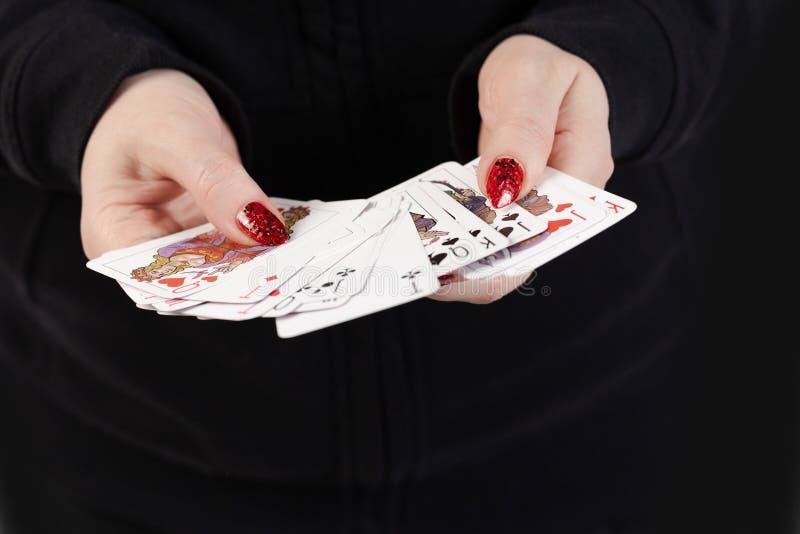
In the art of card handling, novice players often encounter a variety of challenges that can hinder their performance and enjoyment of the game. Understanding these common mistakes is crucial for improvement. By identifying these pitfalls and implementing effective strategies, players can enhance their skills and gain confidence in their card handling abilities.One prevalent issue faced by new players involves improper grip and positioning of the cards.
This can lead to cards slipping from the hand or difficulty in executing shuffling techniques. Additionally, distractions from the environment, such as noise or the presence of other players, can significantly impact focus and coordination. Concentration is vital in card handling, as even minor lapses can result in mistakes that affect gameplay.
Frequent Mishandling Issues
Several common mistakes can impede the progress of new players. Recognizing these issues is the first step toward effective rectification.
- Holding cards too tightly or too loosely can cause discomfort and hinder movement. Striking a balance is essential.
- Inadequate finger placement during shuffling leads to uneven card distribution and potential loss of control.
- Neglecting to maintain a clean and dry hand can result in cards sticking together or slipping.
- Failing to practice regularly can leave players feeling unprepared during games, affecting their confidence.
Focusing on the game is equally important. Environmental distractions can detract from a player’s ability to concentrate fully on the task at hand. Employing certain strategies can improve focus and minimize interruptions.
Strategies to Enhance Focus
To maintain concentration while handling cards, players can adopt the following strategies:
- Create a dedicated, quiet space for practice that minimizes external noise and interruptions.
- Practice mindfulness techniques before handling cards, helping to center thoughts and improve focus.
- Engage in warm-up exercises that involve card handling to mentally prepare for the task.
- Limit the number of distractions by reducing conversations or activities that divert attention during play.
Improving dexterity and hand coordination is essential for proficient card handling. Here are some effective tips to enhance these skills, ensuring better control over the cards during gameplay.
Tips for Improving Dexterity and Hand Coordination
Strengthening hand coordination and dexterity can significantly impact card handling performance. Consider the following recommendations:
- Engage in regular finger exercises, such as squeezing a stress ball or using finger grips, to build strength.
- Incorporate card manipulation drills into practice sessions, focusing on various shuffling techniques.
- Practice finger isolation exercises, where each finger is moved independently, to improve overall control.
- Utilize a variety of card games that require different handling techniques, allowing for diverse skill development.
“Consistent practice and attention to detail can significantly enhance your card handling abilities, transforming mistakes into mastery.”
The Role of Card Handling in Game Strategy
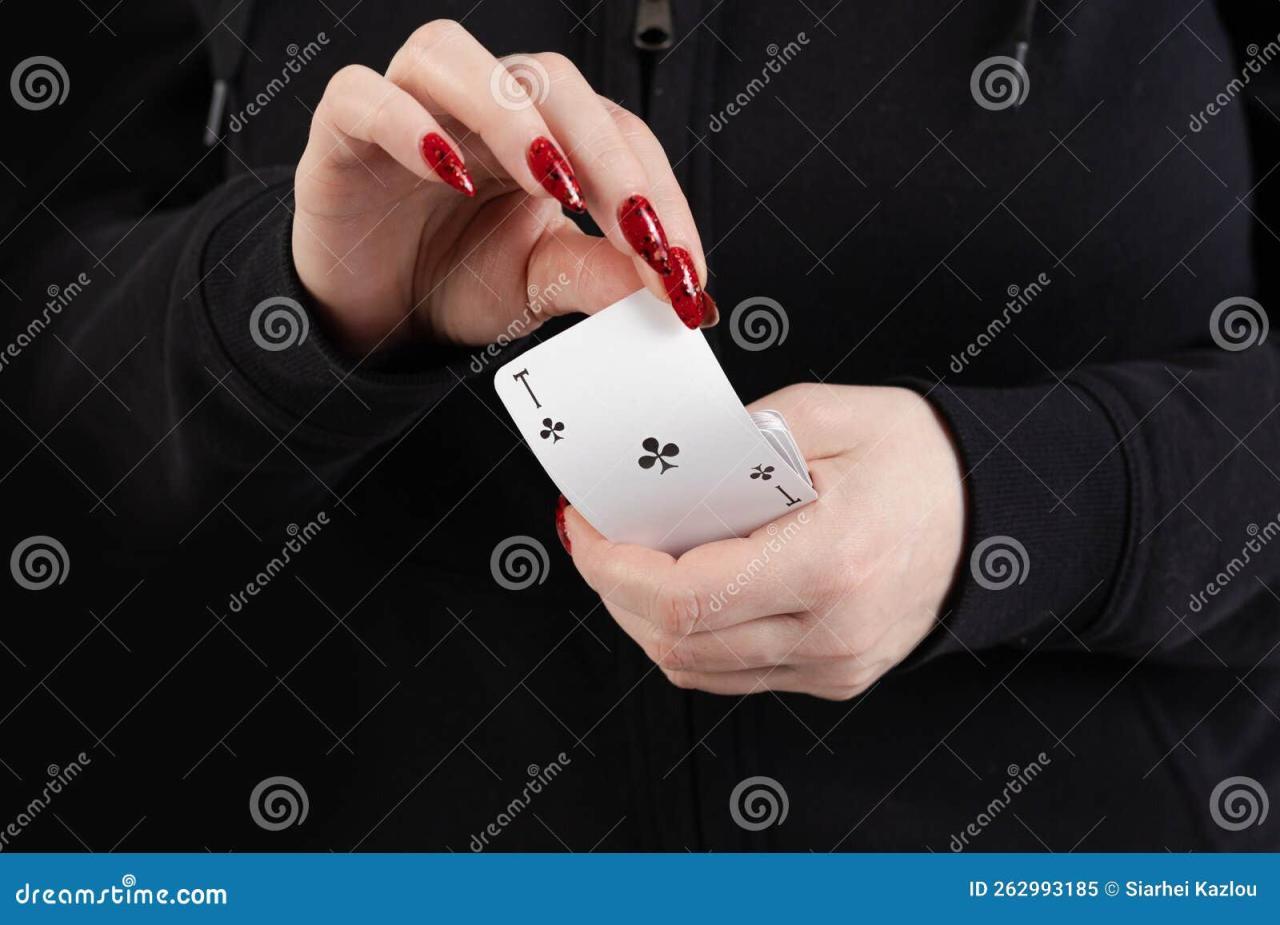
Effective card handling plays a crucial role in determining the outcome of various card games. A player’s ability to handle cards with precision and confidence not only influences gameplay mechanics but also shapes the perceptions and reactions of opponents. Mastering card handling techniques can provide a strategic advantage, allowing players to navigate through complex scenarios and maintain control of the game.The psychological aspects of card handling in competitive play are significant as well.
A player who demonstrates skillful handling may instill doubt or uncertainty in their opponents, which can affect decision-making. When players are confident in their card handling, they project assurance, which can lead to more decisive plays and improved focus. Conversely, poor handling can convey a lack of confidence and may invite aggressive counter-strategies from opponents.
Influence of Body Language and Presentation
Body language and presentation are integral components of card handling that can sway game dynamics. The manner in which cards are dealt, shuffled, or held can communicate information to opponents, whether intentionally or unintentionally. This aspect highlights the importance of maintaining a strong, composed demeanor throughout gameplay.An effective presentation not only reflects a player’s confidence but can also conceal their hand strength or strategy.
The following points illustrate the role of body language and presentation in card handling:
- Controlled Movements: Smooth and deliberate gestures convey a sense of mastery over the game, enhancing the player’s perceived skill level.
- Eye Contact: Maintaining eye contact can assert dominance, while avoiding it may suggest hesitation or uncertainty.
- Facial Expressions: A composed expression can mask true emotions, preventing opponents from gaining insight into a player’s strategy or card strength.
- Posture: An upright and confident posture signals readiness and assertiveness, influencing opponents’ perceptions and reactions.
- Dealing Technique: The way cards are dealt can also affect the rhythm of the game; quick, confident dealing can maintain momentum and pressure on opponents.
In summary, proficient card handling transcends mere physical technique; it embodies psychological strategy and the art of presentation. The interplay of these elements can significantly influence game outcomes, allowing players to craft their strategies with a keen awareness of how their actions are perceived by others at the table.
Summary
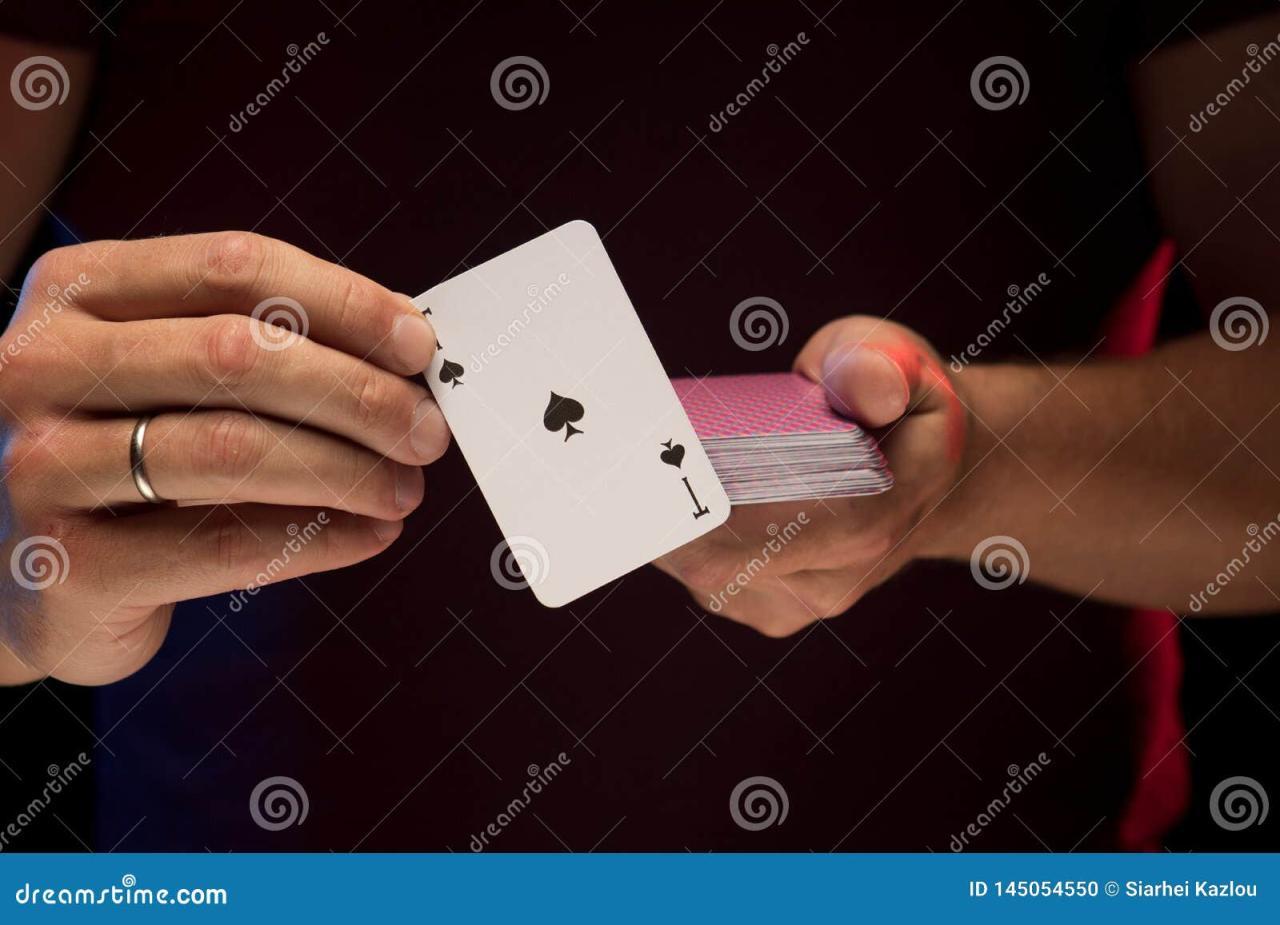
In conclusion, mastering the nuances of how to properly hold and handle a deck of cards can significantly influence the enjoyment and success of any card game. By implementing the techniques discussed, from proper grip to the art of shuffling and dealing, players can enhance their skills and confidence at the table. Ultimately, the way you handle your cards not only reflects your dedication to the game but also enriches the overall experience for everyone involved.