How to Use Magic as an Icebreaker at Parties offers an intriguing approach to enhancing social interactions during gatherings. Icebreakers play a pivotal role in easing the tensions that often accompany new social environments, and utilizing magic tricks can transform these moments into memorable experiences. By engaging guests with captivating illusions, one not only entertains but also fosters deeper connections, making the atmosphere more inviting and enjoyable for all attendees.
In this discussion, we will explore various types of simple yet effective magic tricks that are perfect for social settings, along with practical tips for performing them. Understanding how to prepare adequately, engage your audience, and incorporate personal flair will ensure your magic serves as a powerful tool for breaking the ice and initiating meaningful conversations.
Importance of Icebreakers at Social Gatherings
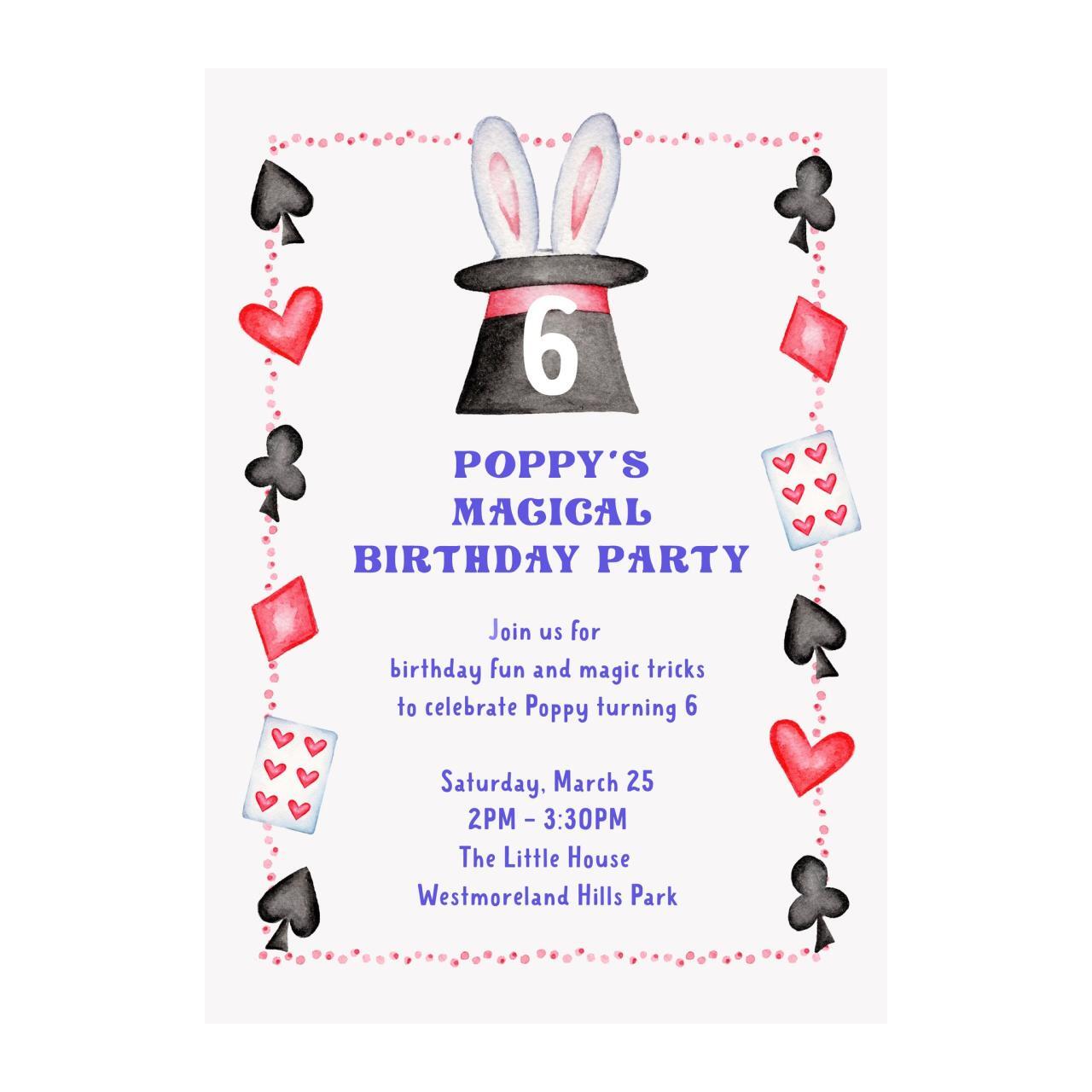
Icebreakers play a crucial role in social gatherings by fostering initial interactions among guests who may not know each other well. These activities create a comfortable environment that encourages individuals to engage, share, and connect, ultimately enhancing the social experience for everyone involved. By alleviating tension and breaking down barriers, icebreakers pave the way for more meaningful conversations and interactions.The use of unique icebreakers, such as magic tricks, can significantly influence group dynamics.
Magic not only captivates attention but also provides a shared experience that can draw people together. This form of entertainment can ignite curiosity and promote interaction among guests, encouraging them to discuss the illusions they witness and share their thoughts. The surprise and wonder associated with magic can transform a mundane gathering into an exciting social event, fostering camaraderie among attendees.
Common Barriers to Conversation at Parties
At social gatherings, several barriers can hinder conversations and reduce engagement among guests. Understanding these obstacles is key to creating a more inclusive and welcoming atmosphere. The following points highlight common barriers and the ways in which magic can help mitigate them:
- Shyness and Social Anxiety: Many individuals struggle with initiating conversations due to shyness or fear of rejection. Magic tricks can serve as conversation starters, allowing participants to engage without the pressure of traditional small talk.
- Group Dynamics: In larger gatherings, guests may feel overwhelmed or unsure of how to approach new acquaintances. A magician performing tricks can create a focal point that draws people in, encouraging them to gather and share their experiences together.
- Unfamiliarity: When guests come from diverse backgrounds, cultural differences may create tension or misunderstandings. Magic transcends language barriers and cultural distinctions, enabling everyone to appreciate and enjoy the performance regardless of their background.
- Fear of Awkward Silence: Awkward silences can stifle conversation and create discomfort. Incorporating magic into the event can keep the atmosphere lively and engaging, minimizing these lulls in dialogue.
These barriers are significant hurdles that can hinder the social experience at gatherings. However, incorporating magic as an icebreaker can effectively address these challenges, fostering an environment of openness and interaction.
Types of Magic Tricks Suitable for Parties
Magic serves as a delightful form of entertainment at social gatherings, breaking down barriers and sparking conversation among guests. Utilizing magic tricks effectively can enhance the atmosphere and create a memorable experience. Selecting the right tricks based on the audience’s age, interests, and the overall ambiance of the party is crucial for successful engagement.When choosing magic tricks for a gathering, it is essential to consider their simplicity and the ease with which they can be performed in a social setting.
Below is a curated list of simple magic tricks that are particularly effective in party environments. These tricks are designed to captivate audiences with minimal preparation and complexity.
Simple Magic Tricks for Social Settings
The following tricks are ideal for parties, providing a balance of entertainment and interactivity:
- The Floating Ring Trick: To perform this trick, you will need a ring and a length of string. Thread the ring onto the string and hold the string at both ends, creating tension. By subtly tilting the string and adjusting your grip, the ring appears to float up and down the string. This trick is visually captivating and easy to master.
- The Coin Vanish: Using a standard coin, hold it between your thumb and fingers. With a swift motion, pretend to transfer the coin to your other hand, but actually keep it hidden in your original hand. This illusion of disappearance can be enhanced by incorporating a brief distraction, such as a quick gesture or a smile, to draw attention away from the hidden coin.
- The Card Prediction: Ask a participant to select a card from a deck. While they examine it, secretly remember the bottom card of the deck. After they return their chosen card, reveal the bottom card as your “prediction.” This trick relies on a simple sleight of hand and can be made more impressive with an engaging story about your “psychic” abilities.
- The Rubber Band Trick: You will need two rubber bands. Hold one in your hand and show it to your audience. Place it in the other hand and make it seem like it has magically passed through your fingers. The key is to hold the second rubber band in a way that it disguises the first band’s movement, creating the illusion of a magical transfer.
Selecting the right type of magic trick is vital for ensuring your performance resonates with various audience types. For example, children may appreciate simple illusions with bright colors and dramatic flair, while adults often enjoy clever tricks that involve mentalism or sophisticated sleight of hand. Adaptability and the ability to read the crowd will enhance your effectiveness as a performer and can lead to a more enjoyable experience for everyone involved.
“Magic is a bridge between the performer and the audience, transforming strangers into friends through shared wonder.”
Preparing to Use Magic as an Icebreaker
The art of magic can serve as a compelling icebreaker at social gatherings, fostering connection and engagement among attendees. To effectively utilize magic as an icebreaker, preparation is crucial. This involves not just learning the tricks but also understanding the environment and audience. Below are essential steps to prepare successfully for performing magic at parties.
Steps for Practicing a Magic Trick
Mastering a magic trick requires diligent practice to ensure seamless execution. The following steps Artikel the practice process:
- Select a Trick: Choose a magic trick that resonates with your skill level and the type of audience you will be entertaining. Ensure it is simple yet captivating.
- Learn the Mechanics: Break down the trick into manageable steps. Understand the sleight of hand, misdirection, or props involved, and practice each element separately before combining them.
- Rehearse Regularly: Dedicate time to practice the entire performance multiple times. Focus on your presentation style, including your voice modulation and body language.
- Seek Feedback: Perform the trick for friends or family before the event. Their feedback can help you refine your technique and delivery.
- Record Yourself: Video your practice sessions to identify areas of improvement, such as pacing and clarity of instructions.
Tips for Selecting a Magic Trick Based on the Setting and Crowd Size
Choosing the right magic trick is paramount to its success as an icebreaker. Consider the following tips when selecting a trick:
Tricks should be tailored to the environment and audience size to maximize impact and engagement.
- Consider the Venue: For intimate gatherings, choose close-up magic tricks that allow for personal interaction. In larger settings, select tricks that can be performed for a bigger audience, such as stage illusions.
- Assess the Crowd Size: For small groups, interactive tricks that involve participants can enhance engagement. For larger crowds, opt for visually impressive tricks that can be seen by many.
- Match the Theme: If the party has a particular theme, try to select tricks that align with it, enhancing the overall experience.
- Know Your Audience: Consider the demographics of the crowd, including age and interests, to select appropriate content that will keep them entertained.
Materials Needed for Common Party Magic Tricks
Having the right materials is essential for performing magic tricks effectively. Below are common materials needed and tips for gathering them discreetly:
Preparation includes not only mastering the trick but also ensuring all necessary materials are gathered in advance.
- Identify Basic Props: Common party tricks may require everyday items such as cards, coins, rope, or rubber bands. Selecting items that are easily available will simplify the preparation process.
- Gather Materials Discreetly: Accumulate your props before the event and store them in a small bag or pocket, allowing for easy access without drawing attention.
- Utilize Household Items: Many effective magic tricks can be performed with household items. For example, a paper clip or a piece of string can create astonishing illusions.
- Practice with Props: Ensure that you practice with the actual materials you will use to familiarize yourself with their handling and the intricacies of the trick.
Techniques for Engaging an Audience with Magic
Capturing an audience’s attention is essential for any magician, especially in social settings where distractions abound. Engaging techniques not only draw the crowd in but also enhance the overall experience of the performance. Magic, at its core, is about creating wonder and intrigue; thus, the methods utilized to engage the audience play a critical role in the success of the performance.
Methods to Capture Attention Before Performing a Trick
Before showcasing any tricks, it is vital to establish a connection with the audience. Here are some effective methods to achieve this:
- Warm Welcome: Greet your audience with enthusiasm. A friendly demeanor and genuine smile can make attendees feel more comfortable and receptive.
- Creating Curiosity: Tease your audience with intriguing statements or questions related to the upcoming trick. This piques interest and fosters anticipation.
- Utilizing Props: Introduce a visually captivating prop that will be used in the performance. This serves to visually engage the audience and draws their focus toward you.
- Establishing Personal Connection: Share a personal story or anecdote that relates to magic. This not only humanizes the performance but allows the audience to relate to you on a personal level.
Importance of Storytelling in Enhancing the Magic Experience
Storytelling is a powerful tool that can significantly elevate the experience of magic. By embedding narrative elements into performances, magicians can create a memorable experience that captivates the audience’s imagination.
“Magic is not just about tricks; it is about creating an emotional journey for your audience.”
Integrating stories into magic performances adds layers of meaning and context. This approach invites the audience to invest emotionally in the performance. Examples of effective storytelling in magic include:
- Character Development: Developing a character that engages the audience through humor or drama can enhance the connection.
- Thematic Consistency: Using themes that resonate with the audience, such as love, adventure, or mystery, helps to create a cohesive experience.
- Emotional Resonance: Sharing relatable experiences or feelings can evoke empathy, making the magic more impactful.
Encouraging Audience Interaction During the Performance
Inviting audience participation is a key technique for maintaining engagement and enhancing the magic experience. Here are several effective strategies to encourage interaction:
- Asking Open-Ended Questions: Pose questions that prompt audience members to think and engage, making them feel part of the performance.
- Involving Volunteers: Invite audience members to assist with tricks. This not only makes the performance interactive but also creates unforgettable memories for those involved.
- Creating Group Dynamics: Encourage the audience to respond collectively, such as through applause or cheers, fostering a sense of community and shared experience.
- Feedback Mechanisms: Use humor or playful banter to elicit reactions from the audience, allowing them to feel their responses are valued.
Overcoming Performance Anxiety
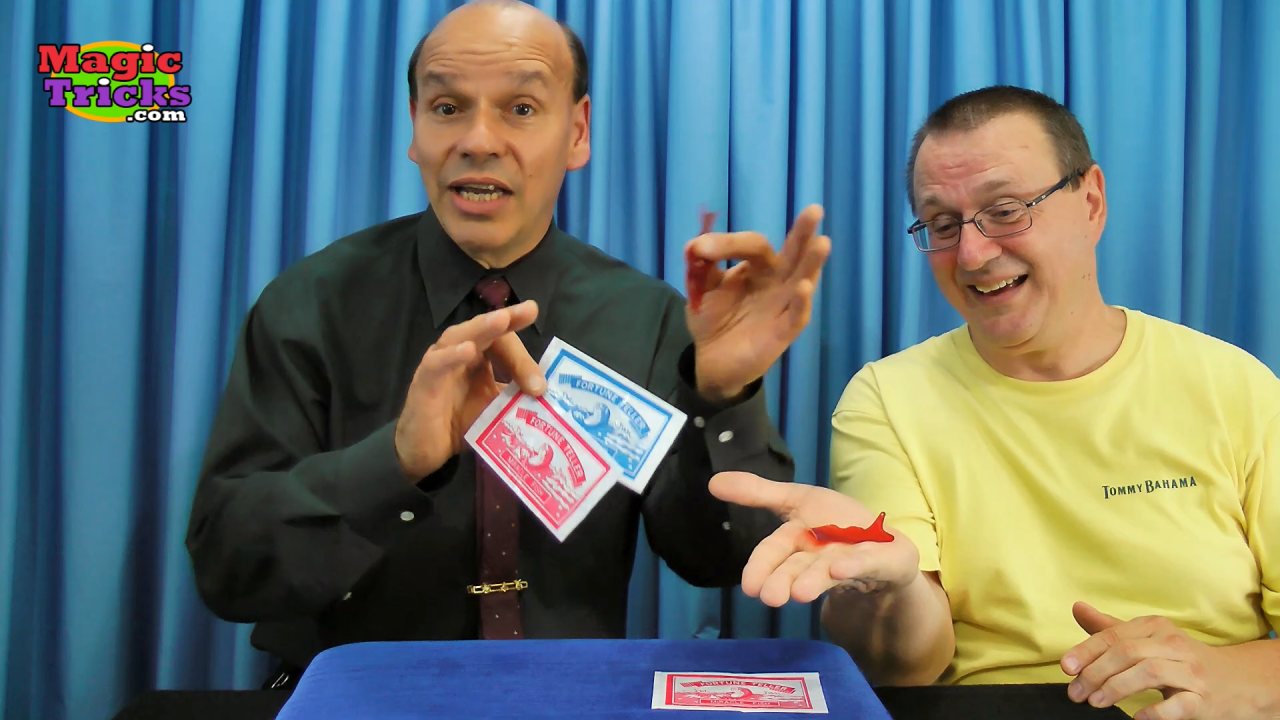
Managing performance anxiety is essential for any magician looking to use their skills as an icebreaker at social gatherings. This anxiety can manifest as nervousness, which may hinder your ability to perform effectively. By employing specific strategies and techniques, you can alleviate these feelings and boost your confidence, allowing you to engage with your audience and create an enjoyable atmosphere.
Strategies for Managing Nervousness
It is crucial to recognize that many performers experience anxiety, and developing coping strategies can significantly improve your experience. One effective approach is to prepare thoroughly, as familiarity with your material can enhance your confidence. Additionally, consider the following strategies:
- Practice Regularly: Rehearsing your tricks until you can perform them flawlessly will minimize the fear of making mistakes.
- Visualization Techniques: Spend time visualizing a successful performance. Imagine the audience enjoying your magic, which can help alleviate anxiety.
- Positive Affirmations: Repeating affirmations, such as “I am a talented magician,” can help shift your mindset to one of confidence and capability.
Relaxation Techniques for Improved Confidence
Incorporating relaxation techniques into your pre-performance routine can significantly decrease anxiety levels. These practices can create a mental state conducive to performing magic effectively. Consider these methods:
- Deep Breathing Exercises: Taking slow, deep breaths can calm your nerves and reduce physiological symptoms of anxiety.
- Mindfulness Meditation: Engaging in a few minutes of mindfulness can help center your thoughts and focus your mind on the present moment.
- Physical Warm-Up: Performing light stretches or exercises before a performance can release physical tension and prepare your body for action.
Starting with Smaller Groups
When beginning your journey as a magician, it is beneficial to start performing for smaller groups before transitioning to larger audiences. This approach allows you to build confidence gradually and refine your performance skills in a less intimidating environment. The advantages of this method include:
- Intimacy: Smaller groups create a more personal atmosphere, making it easier to connect with your audience.
- Immediate Feedback: Performing for a few individuals allows you to receive instant reactions, helping you adjust your delivery and techniques in real time.
- Reduced Pressure: The lower stakes of a smaller audience can diminish anxiety, making your initial performances less daunting.
Incorporating Humor and Personality into Performances

Magic is not just about performing impressive tricks; it is also about creating an enjoyable and memorable experience for the audience. Infusing humor and showcasing one’s personality can elevate a magic performance from ordinary to extraordinary. These elements foster a connection between the performer and the audience, making the experience relatable and engaging. By incorporating humor, magicians can lighten the atmosphere and encourage laughter, while their unique personality can create a distinctive style that resonates with viewers.
Infusing Humor into Magic Performances
The integration of humor into magic performances can significantly enhance the entertainment value. Here are several strategies to effectively incorporate humor while performing magic:
- Use Self-Deprecating Humor: Making light-hearted jokes about oneself can endear the audience. For instance, a magician might whimsically comment on their less-than-perfect skills or mishaps during rehearsals, making the audience relate to the performer as someone who is human and approachable.
- Witty Commentary: Adding quick, clever remarks during a trick can keep the audience engaged. For example, a magician might say, “Let’s see if I can make this card disappear faster than my last date!” Such comments evoke laughter and enhance the magical moment.
- Playful Banter: Engaging in light-hearted interactions with audience members creates a fun atmosphere. This can involve playful teasing or humorous questions, ensuring that the audience feels included and amused.
- Visual Gags: Incorporating physical comedy or silly props can provide comedic relief. For instance, a magician may use oversized cards or clumsy gestures while performing, adding an extra layer of humor to the act.
Showcasing Personality While Performing
A magician’s personality is a key factor in establishing a connection with the audience. Here are ways to showcase individuality during performances:
- Authenticity: Being true to oneself resonates with the audience. A performer who embraces their quirks and idiosyncrasies can create a genuine rapport that enhances the overall experience.
- Storytelling: Sharing personal anecdotes or stories related to the magic tricks can captivate the audience. This adds depth to the performance and provides context, making the magic feel more personal and engaging.
- Expressive Body Language: Utilizing gestures, facial expressions, and movement can provide insight into the performer’s personality. A lively and animated performance style can captivate the audience and maintain their interest.
- Unique Style: Developing a distinct performance style, whether through fashion choices or speaking mannerisms, can set a magician apart. This individuality becomes part of their brand and enhances audience recall.
Balancing Magic and Humor
To achieve an effective performance, a balance between magic and humor is essential. The following considerations can help in maintaining this equilibrium:
- Strategic Timing: Timing is crucial in comedy. Jokes should be delivered at moments that enhance the magic rather than overshadow it. For example, a punchline can follow a surprising reveal, amplifying both the humor and the magic.
- Complementary Content: Humor should support the magic trick, not distract from it. For instance, a funny quip about a trick can enhance the audience’s understanding and appreciation of the magic.
- Audience Feedback: Being attuned to audience reactions allows performers to adjust the balance in real-time. If laughter is elicited, a magician can lean into humor; if the audience is captivated by a trick, the focus should shift to the magical element.
- Practice and Refinement: Regularly rehearsing the integration of humor and magic helps performers find the right mix. Feedback from peers and audiences can guide adjustments to ensure both elements shine.
Evaluating Audience Reactions and Adjusting Accordingly
Understanding and evaluating audience reactions is fundamental for any magician aiming to create a memorable and engaging performance. The ability to read emotional responses and adjust tricks or presentation styles accordingly can significantly enhance the overall experience for both the performer and the audience. This process not only improves the immediate interaction but also informs future performances, leading to a continuous cycle of improvement.Reading audience reactions during a performance involves observing both verbal and non-verbal cues.
Body language, facial expressions, and vocal responses can provide insight into how the audience is receiving the magic. For example, smiles and laughter indicate enjoyment, while frowns or lack of engagement may suggest confusion or disinterest.
Methods for Reading Audience Reactions
To effectively gauge audience reactions, consider the following methods:
- Visual Observation: Pay attention to audience members’ facial expressions and body movements. Are they leaning in, smiling, or appearing puzzled? These non-verbal cues can guide the magician in determining the overall engagement level.
- Listening for Vocal Reactions: Responses such as gasps, laughter, or comments can provide immediate feedback about the success of a trick. A lively audience is often more receptive, which can enhance the performance.
- Engaging the Audience: Asking questions or inviting audience participation can help gauge reactions. This not only engages the audience further but also helps the magician assess their interest level.
- Monitoring Group Dynamics: Observing the reactions of different segments of the audience can provide a broader picture of overall engagement. For example, a group that is highly interactive may indicate a successful performance, while quieter groups may require adjustments.
Adjusting performances based on audience engagement levels is crucial for maintaining interest and ensuring that the intended message of the magic is conveyed effectively. If a trick does not resonate well, modifying the approach or moving on to another effect can help maintain momentum during the performance.
Modifying Performances Based on Audience Engagement Levels
Incorporating audience feedback into your performance can enhance the experience significantly. Here are some tips for adjusting based on observed reactions:
- Switching Tricks: If a particular trick does not seem to resonate, be prepared to change your routine on the fly. Have a selection of alternate effects that can be performed at a moment’s notice.
- Adjusting Pacing: If you notice that the audience is losing interest, consider speeding up the performance or incorporating more interactive elements to re-engage them.
- Changing Tone or Style: Adjust your presentation style based on the audience’s responsiveness. If they seem more receptive to humor, incorporate more light-hearted elements to keep them entertained.
- Incorporating Audience Members: Involve spectators in the performance. Engaging them directly can elicit positive reactions and create a more immersive experience.
The importance of feedback cannot be overstated. Gathering insights from audience reactions helps performers improve their craft. Observing what works well and what does not allows magicians to refine their acts over time, ensuring greater success in future performances.
Importance of Feedback for Future Performances
Feedback can be obtained informally through audience reactions or formally through surveys. The following methods can be effective:
- Post-Performance Surveys: Distributing simple feedback forms can provide valuable insights into what the audience enjoyed and what could be improved.
- Semi-Structured Interviews: Conducting conversations with select audience members after performances may yield deeper insights into audience perceptions.
- Video Review: Recording performances and reviewing them can help the magician see things that might not be apparent during the live show, such as pacing or audience engagement.
- Peer Feedback: Seeking input from fellow performers can offer a different perspective on the effectiveness of your magic and presentation style.
Incorporating audience feedback into future performances not only refines the magician’s skills but also fosters a connection with the audience, ensuring that each performance is better than the last. By being attuned to audience reactions and adjusting accordingly, magicians can create memorable experiences that leave a lasting impact.
Building Connections Beyond the Magic
Magic has a unique ability to captivate audiences and break down barriers at social events. Once the initial wonder of a magic trick has dissipated, it presents an excellent opportunity to foster deeper connections. This section explores techniques that enable magicians to transition from their performances into meaningful conversations and the potential networking opportunities that arise from engaging interactions.
Transitioning from Magic Performances to Personal Interactions
After performing a magic trick, it is essential to maintain the momentum of excitement and connection. One effective technique involves using the trick as a launchpad for discussion. For instance, after a particularly impressive trick, a magician might say, “What did you think of that? It’s amazing how perception can change in an instant, isn’t it?” This approach invites the audience member to share their thoughts and feelings, opening the door to a more substantial conversation.Moreover, sharing personal anecdotes related to the magic trick can create relatability.
By discussing the inspiration behind a trick or a memorable moment from past performances, magicians can humanize their craft and draw in their audience. This method encourages individuals to engage not just with the magic, but with the magician on a personal level.
The key to building connections lies in transforming the magic experience into shared stories and relatable moments.
To further enhance these interactions, magicians can employ the following strategies:
- Ask Open-Ended Questions: Transitioning to personal inquiries encourages the audience to share their experiences, fostering a more engaging dialogue.
- Relate to Shared Experiences: Drawing parallels between the performance and the audience’s life can strengthen emotional bonds.
- Utilize Humor: Light-hearted jokes or playful banter can make conversations feel more relaxed and enjoyable.
- Show Genuine Interest: Listening actively and responding thoughtfully to audience members’ comments can significantly enhance rapport.
Exploring personal interests or commonalities can also provide fertile ground for networking. By identifying shared hobbies or professional interests, magicians can create connections that extend beyond the immediate social setting. Additionally, magic can serve as a memorable icebreaker during networking situations. For example, a magician performing a simple card trick at a business event can lead to conversations about the attendees’ respective fields, resulting in potential collaborations or partnerships.
Magic not only entertains but also serves as a powerful tool for networking and relationship-building.
In summary, the art of magic transcends mere entertainment. It can be a powerful medium for establishing connections, encouraging deeper conversations, and creating networking opportunities. By effectively transitioning from performance to personal interaction, magicians can leverage their skills to build meaningful relationships and expand their social and professional networks.
Closure
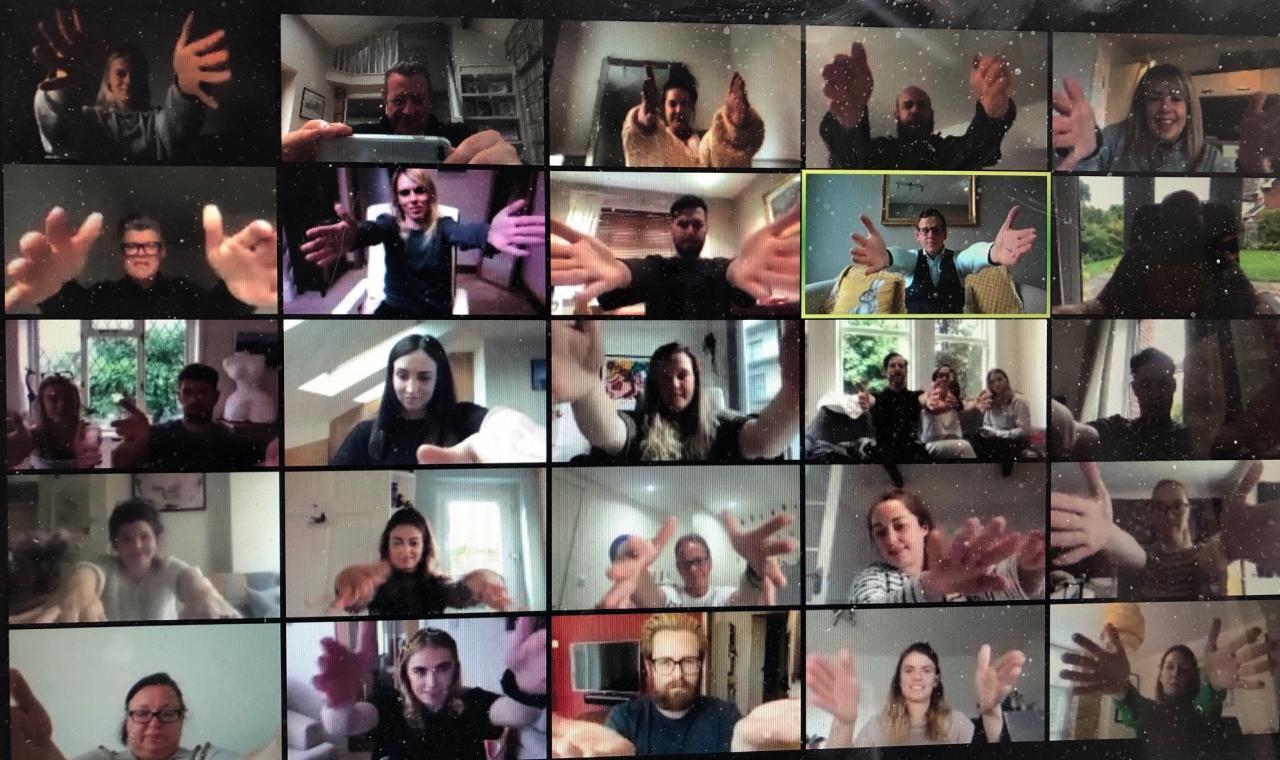
In conclusion, magic serves as a remarkable icebreaker that can significantly enhance social interactions at parties. By mastering the art of magic performance and incorporating humor and storytelling, you can create unforgettable experiences that resonate with your audience. Remember to observe their reactions and adjust your approach accordingly, as this adaptability can lead to deeper connections beyond the performance. Ultimately, using magic not only entertains but also opens doors for networking opportunities and lasting friendships.