Delving into How to Use Storytelling to Make Your Magic Memorable, this exploration reveals the profound connection between storytelling and the art of magic, showcasing how narratives can elevate performances from mere tricks to unforgettable experiences.
By weaving engaging stories into their acts, magicians can not only captivate their audiences but also evoke deep emotional responses, foster a sense of connection, and create lasting memories. This guide will illuminate the essential elements of storytelling in magic, offering insights into crafting compelling narratives that resonate with viewers on multiple levels.
Understanding the Importance of Storytelling in Magic
Storytelling serves as a powerful tool in the realm of magic, transforming mere illusions into captivating experiences. By weaving narratives into performances, magicians can create emotional connections with their audiences, enhancing the overall impact of their acts. This exploration delves into the significance of storytelling in magic, examining its emotional resonance, psychological influence, and historical context.
Emotional Impact of Storytelling in Magic
The integration of storytelling into magic acts can profoundly amplify the emotional experience for the audience. When a magician frames their tricks within a narrative, the performance transcends a simple display of skill. The audience is invited to become part of a larger tale, which can evoke emotions such as wonder, surprise, and even nostalgia. For instance, a magician performing a card trick that tells a story of lost love may resonate deeply with audience members who have experienced similar feelings.
This emotional engagement transforms the magic into a memorable experience.
Psychological Effects of Storytelling on Audience Engagement
Storytelling plays a pivotal role in maintaining audience engagement during a magic performance. The structure of a narrative captivates the audience’s attention and encourages them to invest emotionally in the unfolding story. This involvement can lead to heightened anticipation and suspense, crucial elements in magic. Research in psychology indicates that narratives activate specific areas of the brain associated with empathy and emotional resonance, effectively drawing viewers into the magician’s world.
For example, when a magician shares a personal anecdote related to a trick, it not only humanizes their performance but also fosters a connection that enhances viewer involvement.
Historical Significance of Storytelling in the Art of Magic
Historically, storytelling has been a fundamental aspect of magic, tracing back to ancient cultures where magicians often served as storytellers. In many traditions, magic was interwoven with folklore and mythology, creating a rich narrative context for performances. The legendary magician Harry Houdini, for instance, often crafted elaborate backstories for his illusions, which added depth and intrigue to his acts. This tradition continues today, with many modern magicians incorporating elements of storytelling to enrich their performances.
The historical significance underscores the enduring relationship between magic and narrative, highlighting how storytelling has continually shaped the perception and appreciation of magical art.
Elements of a Memorable Story

The essence of storytelling in magic lies in its capacity to engage and transport the audience into a realm of wonder and intrigue. A memorable story captivates not only through its plot but also through its fundamental components: characters, conflicts, resolutions, and a powerful setting. Each of these elements works synergistically to create an immersive experience that enhances the magic performance and resonates with the audience long after the final curtain.A captivating story typically encompasses several key components.
These components serve to draw the audience into the narrative, allowing them to connect emotionally with the performance. The primary elements include characters, conflicts, resolutions, and the setting. By intertwining these elements, magicians can create narratives that not only support their tricks but also elevate the overall experience.
Key Components of a Captivating Story
Understanding the essential elements of storytelling can significantly enhance the impact of a magic performance. Each component contributes a unique aspect to the narrative, making it richer and more engaging for the audience.
- Characters: The characters in a magical narrative are crucial as they serve as the vehicles through which the audience experiences the story. For example, a magician might portray a wise old wizard or a mischievous trickster. These characters can evoke emotions and establish a connection with the audience. A memorable example is the character of Harry Potter, who embodies the classic hero’s journey, making him relatable and inspiring.
- Conflicts: Every compelling story features some form of conflict that drives the narrative forward. In magic, this could be a struggle against a formidable opponent or an internal conflict faced by the protagonist. For instance, a magician might weave a tale of a hero trying to retrieve a stolen magical artifact, which creates tension and suspense, enticing the audience to invest emotionally in the outcome.
- Resolutions: Resolutions are essential as they provide closure to the conflicts presented. A well-executed resolution can leave the audience in awe. In a magic performance, this might manifest as an unexpected twist that resolves the conflict, such as revealing that the protagonist has outwitted a villain through clever magic. This resolution not only satisfies the narrative arc but also highlights the magician’s skill.
- Setting: The setting establishes the context in which the story unfolds, significantly influencing the audience’s perception. In a magic performance, a vividly described setting can transport the audience to a different world. For example, a magician may set the stage in a mystical forest or a grand castle, with the ambiance enhanced by appropriate lighting and sound effects. A strong setting creates a backdrop that makes the magical elements more believable and impactful.
“A well-crafted story is the bridge that connects magic and emotion, ensuring that the experience resonates within the minds and hearts of the audience.”
The integration of these elements into a magic performance can transform a simple trick into a powerful narrative journey. By creating relatable characters, compelling conflicts, satisfying resolutions, and immersive settings, magicians can craft stories that linger in the memory of their audience, ensuring that their magic is truly memorable.
Crafting Your Magic Story

Creating a compelling storyline for a magic act is essential for leaving a lasting impression on your audience. A well-structured narrative not only enhances the magic but also creates an emotional connection, making the performance memorable. This segment will explore the necessary steps to construct such a storyline, integrate personal experiences, and incorporate magical elements into traditional storytelling frameworks.
Steps to Create a Compelling Storyline
To develop a captivating storyline for your magic act, certain steps should be followed to ensure a coherent and engaging narrative. These steps involve identifying the core message, defining the characters, setting the scene, and establishing conflict.
- Identify the Core Message: Begin by determining the fundamental theme or message you want to convey through your act. This could range from love and friendship to overcoming adversity.
- Define the Characters: Create relatable characters that audience members can connect with emotionally. Characters can be either real or imaginary, such as a magical creature or a hero on a quest.
- Set the Scene: The environment where the story takes place is crucial. Whether it’s a mystical forest or a bustling city, the setting should enhance the mood and ambiance of your performance.
- Establish Conflict: Introduce a challenge or obstacle that the characters must face. This conflict drives the narrative forward and keeps the audience invested in the outcome.
Methods for Integrating Personal Experiences
Integrating personal experiences into your performances can enhance authenticity and relatability. Sharing stories from your life not only adds depth to your magic but also establishes a bond with the audience.
- Reflect on Personal Journeys: Consider your own experiences that resonate with the themes of your magic. Relating personal challenges and triumphs can make your performance feel genuine.
- Use Anecdotes: Short anecdotes related to your magic can create a more intimate atmosphere. These stories can serve as a bridge between the audience and your performance.
- Incorporate Emotions: Share your feelings regarding the personal stories you tell. Displaying vulnerability can evoke empathy, making your audience more engaged.
Weaving Magical Elements into Traditional Storytelling Structures
Incorporating magical elements into storytelling structures can enhance the narrative’s intrigue and captivate the audience’s imagination. This technique allows performers to blend the unexpected with the ordinary.
- Utilize the Hero’s Journey: This classic narrative structure involves a hero who embarks on an adventure, faces challenges, and returns transformed. Integrating magic into this journey can amplify the sense of wonder.
- Introduce Magical Realism: Blending the real world with the fantastical can create a seamless transition between reality and magic. For instance, showcasing a character who discovers a hidden magical ability can add depth to the storyline.
- Employ Foreshadowing: Subtly hinting at magical events to come keeps the audience guessing and heightens their anticipation. This technique can involve visual cues or verbal hints embedded within the story.
Performance Techniques to Enhance Storytelling
Effective storytelling in magic not only captivates the audience but also enhances the overall experience of the performance. By mastering performance techniques, magicians can elevate their storytelling, creating a more immersive and memorable experience for their audience. This section will explore body language, facial expressions, voice modulation, and pacing, as well as how different performance styles impact storytelling in magic.
Body Language and Facial Expressions
Body language and facial expressions play a crucial role in storytelling, as they can convey emotions and intentions that words alone may not fully express. A magician’s physical presence can significantly enhance the narrative, allowing the audience to connect more deeply with the performance. Key techniques include:
- Posture: An upright posture conveys confidence and authority, while a slouched posture may suggest vulnerability or uncertainty.
- Gestures: Hand movements can emphasize key points in the story. For instance, an open hand can symbolize honesty or revelation, while a closed fist may represent tension or conflict.
- Facial Expressions: Using a range of expressions, from surprise to sadness, can effectively communicate emotions and enhance the story’s impact.
- Eye Contact: Maintaining eye contact with the audience creates a connection, helping them to feel involved in the narrative.
Voice Modulation and Pacing
Voice modulation and pacing are essential tools for building suspense and excitement in storytelling. A magician can utilize these elements to control the audience’s emotional responses throughout the performance. Important considerations include:
- Volume Control: Altering the volume of one’s voice can emphasize key moments. A softer tone can draw the audience in, while a louder volume can create excitement.
- Pitch Variation: Changes in pitch can signal different characters or emotional states, adding depth to the storytelling.
- Pacing: Slowing down during critical moments builds suspense, while a faster pace during climactic scenes can heighten excitement.
- Pauses: Strategic pauses allow the audience to absorb information and anticipate what comes next, creating a sense of anticipation.
Performance Styles and Their Impact
Different performance styles can significantly influence how storytelling is perceived by the audience. The following table Artikels various performance styles, their characteristics, and their impact on storytelling:
| Performance Style | Characteristics | Impact on Storytelling |
|---|---|---|
| Contemporary | Modern references, casual demeanor | Creates relatability and connection with the audience |
| Classic | Traditional techniques, elegant presentation | Enhances the sense of wonder and nostalgia |
| Humorous | Light-hearted jokes, comedic timing | Engages the audience and fosters enjoyment |
| Dark/Thrilling | Intense themes, dramatic delivery | Evokes suspense and emotional investment |
Mastering these performance techniques enhances storytelling, making magical moments resonate with audiences long after the curtain falls.
Audience Interaction Through Storytelling

Audience interaction is a critical aspect of enhancing the storytelling experience within magic performances. By involving the audience in the narrative, magicians can create a more immersive and memorable experience, which not only entertains but also fosters a connection with the spectators. Encouraging audience participation can elevate a standard magic performance into a captivating story that resonates with the audience on a personal level.Reading the audience’s reactions is vital for adapting the story dynamically during a performance.
Observing facial expressions, gestures, and vocal responses can provide insight into how the audience is engaging with the story. When a magician notices enthusiasm or surprise, they can build upon these reactions to enhance the storytelling experience, perhaps by slowing down the narrative to savor the moment or accelerating to maintain excitement.
Strategies for Encouraging Audience Participation
Creating an interactive storytelling environment requires deliberate strategies that invite the audience to engage actively. Here are several effective techniques to foster participation:
- Call and Response: Incorporating phrases that prompt the audience to respond collectively can create a sense of unity. For instance, asking the audience to repeat a phrase or sound adds layers to the story and encourages them to be part of the performance.
- Volunteers for Tricks: Inviting audience members to participate as volunteers for specific magic tricks not only engages them directly but also allows for spontaneous moments that can enhance the narrative. Their reactions can add authenticity to the story.
- Questions and Prompts: Asking questions throughout the story can stimulate audience interaction. For example, presenting a choice between two magical outcomes allows the audience to feel invested in the story’s direction.
- Adaptive Storytelling: Adapting the story based on audience demographics or reactions, such as tailoring jokes or references to resonate with different groups, can make the experience feel more personalized.
Reading Audience Reactions
Understanding audience reactions is essential for successful storytelling in magic. Recognizing visual cues and audible responses allows for timely adjustments to the narrative flow. Here are some key points to consider:
- Facial Expressions: Smiles and gasps indicate enjoyment and surprise, while frowns or disinterest may signal a need to change tactics.
- Body Language: Observing how engaged the audience is through their posture can help determine if they are captivated by the story or if adjustments are necessary.
- Vocal Responses: Laughter, clapping, or murmurs of amazement can guide the magician in pacing the story, either slowing down to emphasize a moment or speeding up to maintain excitement.
Interactive Storytelling Techniques with Magic Tricks
Combining magic tricks with storytelling can enhance audience participation and create memorable moments. Here are effective techniques that intertwine magic and interactive storytelling:
- Story as a Framework: Use the narrative as a framework for performing magic. For instance, telling a story about a lost treasure while performing a card trick that reveals the treasure can captivate the audience’s imagination.
- Character Involvement: Introduce characters from the story who interact with the audience. For example, a magician could create a character who asks for help in finding a missing item, directly involving audience members in the storyline.
- Interactive Magic Props: Utilize props that require audience participation, such as cards with choices that the audience can make, leading to different magical outcomes that align with the story being told.
- Sequential Storytelling: Allow the audience to influence the story’s progression through their reactions and interactions, creating a unique experience for each performance.
Using Visuals and Props in Storytelling
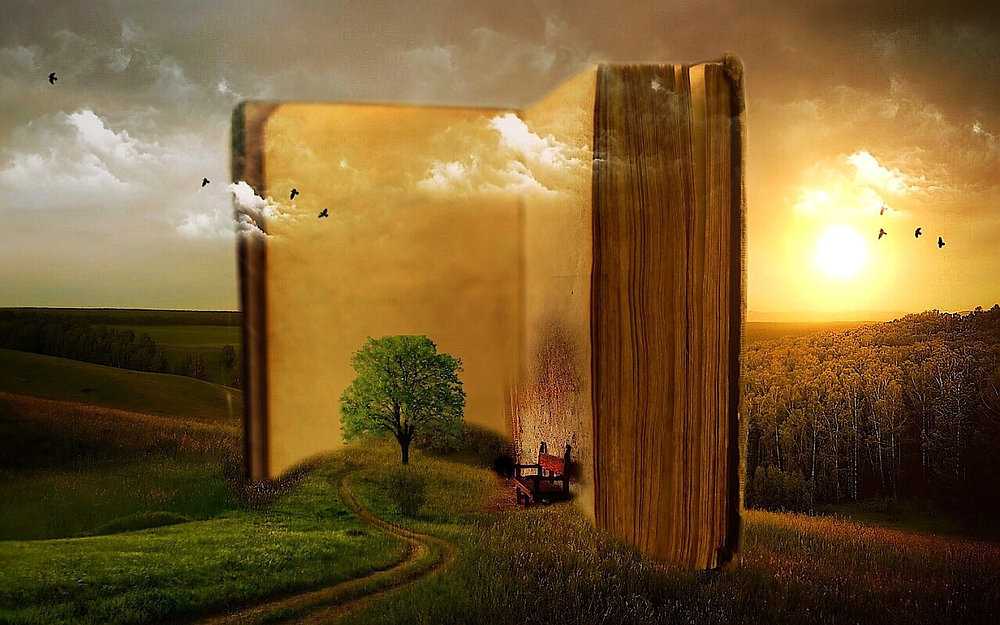
Integrating visuals and props into your magic performance can significantly elevate the storytelling aspect, creating a more immersive experience for your audience. Thoughtfully selected and designed props can act as powerful storytelling tools that amplify the narrative, engage the viewers, and ultimately make the magic more memorable.When selecting and designing props, it is essential to ensure they align with the story you wish to convey.
Props should reinforce the narrative rather than distract from the magic itself. Consider these tips for incorporating visuals effectively:
- Choose props that are relevant to the story’s theme or characters; this helps to create a cohesive narrative.
- Design props that are visually striking yet simple enough not to detract from the magic; the audience’s focus should remain on the performance.
- Utilize color, texture, and size to evoke specific emotions that complement the story being told.
Types of Visuals and Their Effects
Different types of visuals can enhance storytelling in magic acts. Understanding their unique contributions will help you select the right elements for your performances. Here are various categories of visuals and their effects:
- Illusions: Grand illusions can serve as climactic moments in your story, creating awe and wonder. They often symbolize transformation or a turning point in the narrative.
- Backdrops: A well-designed backdrop transports the audience to the world of the story. It sets the tone and context, providing a visual foundation that supports the performance.
- Costumes: Costumes play a critical role in character development. They help define personalities and can visually represent changes throughout the story.
- Props: Everyday objects that are central to your narrative can bring authenticity to the performance. Use props to create specific moments that resonate with the audience.
- Lighting: Strategic lighting can emphasize key moments in your story, guiding the audience’s attention and creating mood. Adjusting light intensity can convey different emotions.
- Sound Effects: While not a visual element, sound can enhance visuals by adding an auditory layer to the storytelling. Well-placed sound effects can evoke feelings and create suspense.
In conclusion, the effective use of visuals and props in storytelling is pivotal in a magic act. By thoughtfully selecting and designing these elements, magicians can create a narrative that captivates and resonates with their audience, ensuring that the magic remains both memorable and impactful.
Rehearsing Your Story
Rehearsing your story is a crucial phase in integrating storytelling into your magic performance. It involves more than simply memorizing lines; it requires you to embody the narrative, ensuring that each element flows seamlessly into the next. This process allows magicians to refine their delivery, enhance emotional impact, and create a more immersive experience for the audience.Effective rehearsal involves several components that contribute to a successful storytelling performance.
First, establishing a regular practice schedule allows for consistent refinement of your narrative. Recording your practice sessions can also provide valuable insights, as reviewing video footage enables you to observe body language, pacing, and audience engagement. Pay careful attention to the emotional arcs within your story, adjusting your delivery to match the highs and lows of the narrative.
Methods for Receiving Feedback
Feedback is essential for honing your storytelling skills. Engaging with peers and mentors can provide diverse perspectives on your performance. Organizing feedback sessions creates an environment where constructive criticism is encouraged and embraced. The following methods can facilitate the collection of insightful feedback:
- Peer Review Sessions: Gather fellow magicians or performers to share your story in a casual setting. Encourage them to provide specific feedback on both the storytelling elements and the magical aspects of your performance.
- Mentorship: Seek out experienced storytellers or magicians who can offer expert guidance. Their insights can help you identify strengths and areas for improvement that you might overlook.
- Audience Trials: Perform your story in front of a live audience during practice sessions. Observing audience reactions can provide immediate feedback on what resonates and what may need adjustment.
- Surveys or Feedback Forms: After performances, distribute simple forms for audience members to share their thoughts on the storytelling aspects, helping you understand the impact of your narrative.
Importance of Timing and Transitions
Timing and transitions are integral to the effectiveness of your storytelling. Mastering these elements can significantly enhance the overall flow of your performance, ensuring that the audience remains engaged and emotionally invested.The following aspects highlight the significance of timing and transitions:
- Rhythm: Establish a rhythm that complements the narrative. Pauses can amplify suspense or allow key moments to resonate, while pacing should align with the emotional tone of the story.
- Seamless Transitions: Practice moving smoothly between different segments of your story. This includes shifts in character perspectives or changes in scene settings, which should feel natural and fluid.
- Building Anticipation: Use timing to build suspense. Strategic pauses can heighten emotional investment, prompting the audience to lean in and anticipate the next twist in the narrative.
- Consistency: Maintain a consistent flow throughout the performance. Disruptions in timing can distract the audience and break their immersion in the story.
Effective rehearsal of storytelling within magic performances not only refines the narrative but also enhances the emotional connection between the magician and the audience. Thus, investing time and effort in this process can lead to truly memorable magical experiences.
Analyzing Successful Magic Storytelling Examples
Successful magic performances often hinge on the ability to weave compelling narratives that engage the audience and enhance the impact of the tricks being performed. Many renowned magicians have mastered the art of storytelling, effectively using it to elevate their performances from mere tricks to unforgettable experiences. This section will explore some of these famous magicians, highlighting their storytelling techniques and providing a comparative analysis of different approaches to magic storytelling.
Famous Magicians Known for Storytelling
Several magicians have become icons not only for their technical skills but also for their storytelling prowess. Their performances illustrate the various techniques that can be employed to create memorable magic experiences. The following overview provides insights into their distinctive storytelling styles.
- Derren Brown: Known for his psychological magic, Brown combines elements of narrative and psychology, crafting intricate stories that lead to unexpected conclusions. His ability to engage the audience’s emotions while manipulating their perceptions is a hallmark of his performances.
- David Copperfield: Copperfield is famous for his grand illusions, but it is his ability to integrate personal stories that resonates with audiences. His performances often include autobiographical elements, allowing viewers to connect on a deeper level with his magic.
- Penn & Teller: This duo is recognized for their unique blend of comedy and magic. Their performances often involve storytelling that adds humor and depth to their acts, making the magic more relatable and enjoyable.
Comparative Analysis of Storytelling Approaches
In analyzing the different storytelling methods used by magicians, it becomes evident that each approach serves to enhance the overall impact of the magic. The following table Artikels key performances from various magicians, highlighting their distinctive storytelling strengths and techniques.
| Magician | Performance | Storytelling Strengths |
|---|---|---|
| Derren Brown | Mind Control | Psychological manipulation and emotional engagement |
| David Copperfield | The Death of Harry Houdini | Personal connection and emotional storytelling |
| Penn & Teller | Magic and Comedy Routine | Humor and relatability through narrative |
| Angela Lansbury | Matilda the Musical | Character-driven storytelling with emotional arcs |
“Magic without storytelling is just a trick; storytelling turns magic into an unforgettable experience.”
Through this analysis, it becomes clear that effective storytelling not only enhances the magic itself but also fosters a connection between the performer and the audience, making the experience lasting and impactful. Each magician’s unique approach exemplifies the power of narrative in the realm of magic.
Closure
In summary, incorporating storytelling into magic performances enriches the overall experience for both the performer and the audience. By understanding the intricacies of narrative structure, audience engagement, and effective performance techniques, magicians can transform their acts into powerful stories that leave a lasting impression. Embracing the art of storytelling not only enhances individual performances but also contributes to the timeless tradition of magic itself.